 India's No.1 PU & Degree With Integrated IAS & IPS(UPSC/PSC) Training College.


Taliban Marriage Decree Sparks Global Outcry
Taliban Marriage Decree Raises Global Human Rights Concerns
Why in the News ?
The United Nations has criticised a new marriage decree issued by the Taliban in Afghanistan, warning that it deepens discrimination against women and may legitimise child marriage practices.
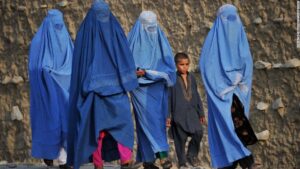
Taliban Decree and Restrictions on Women
- The Taliban government introduced a 31-article decree regulating separation and marriage-related issues in Afghanistan.
- The decree allows annulment of marriage contracts involving minors but also implies that child marriage remains legally permissible.
- According to the UN, procedures for women seeking separation are more restrictive and complicated than those applicable to men.
- The decree was approved by Taliban Supreme Leader Hibatullah Akhundzada.
- The Taliban government rejected international criticism, arguing that the rules are consistent with its interpretation of Islamic principles.
UN Concerns Over Human Rights Violations
- The UN stated that the decree reinforces systemic discrimination and further weakens the rights of Afghan women and girls.
- The decree has been criticised for denying women equal access to justice, autonomy, and decision-making power.
- Since returning to power in 2021, the Taliban has imposed severe restrictions on women’s education, employment, mobility, and public participation.
- Girls in Afghanistan are barred from education beyond primary school and restricted from public spaces such as parks, gyms, and beauty salons.
- The UN Assistance Mission in Afghanistan (UNAMA) warned that earlier protections related to women’s consent in marriage are gradually being eroded.
About Women’s Rights and Taliban Rule :● The Taliban regained control of Afghanistan in August 2021 after the withdrawal of foreign troops. ● International organisations have repeatedly expressed concerns over violations of women’s rights and human rights under Taliban rule. ● Child marriage refers to marriage involving individuals below the legally recognised age of adulthood and is considered a violation of human rights. ● The United Nations Assistance Mission in Afghanistan monitors political, humanitarian, and human rights developments in Afghanistan. ● Global human rights frameworks such as the Convention on the Elimination of All Forms of Discrimination Against Women (CEDAW) advocate equality, education, and protection for women and girls. |

