India's No.1 PU & Degree With Integrated IAS & IPS(UPSC/PSC) Training College.


POLYCYSTIC OVARY SYNDROME (PCOS) RENAMED AS PMOS
POLYCYSTIC OVARY SYNDROME (PCOS) RENAMED AS PMOS
Why in the News?
- Global Consensus: The Lancet published the global consensus renaming Polycystic Ovary Syndrome (PCOS) as Poly-endocrine Metabolic Ovarian Syndrome (PMOS).
- Indian Participation: Indian experts and organisations actively contributed to the 14-year international consultation and survey process behind the renaming.
- Diagnostic Shift: The new terminology aims to improve accurate diagnosis, awareness, and treatment by recognising the disorder’s broader metabolic and endocrine impacts.
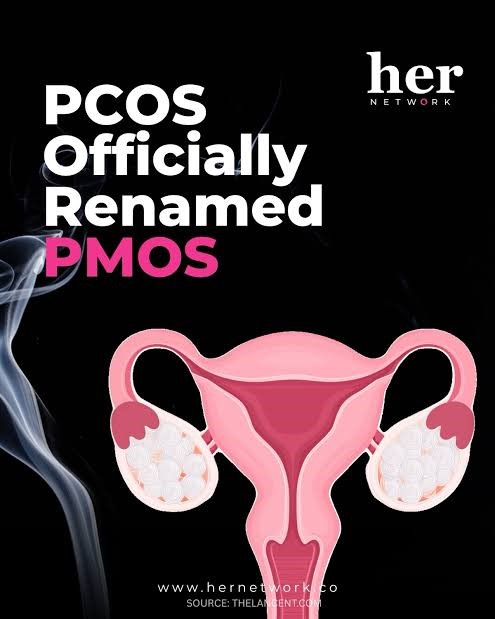
Key features of PMOS
- Broader Definition: PMOS highlights the condition’s effects on the endocrine, metabolic, and reproductive systems, not just ovaries.
- Metabolic Link: The condition is strongly associated with insulin resistance, obesity, diabetes, and cardiovascular diseases.
- Hormonal Imbalance: It involves disruptions in the hypothalamus, pituitary gland, pancreas, adrenal hormones, and ovarian function.
- Misleading Terminology: The earlier term “cysts” was inaccurate because the structures are actually arrested immature follicles, not true cysts.
- Mental Health Impact: PMOS is linked with anxiety, depression, infertility, acne, and menstrual irregularities.
Important facts about PMOS
- Global Prevalence: PMOS affects nearly 1 in 8 women globally, impacting over 170 million women.
- Indian Burden: Prevalence in India is estimated at around 16–18%, making it a major women’s health concern.
- Ovulation Problem: In PMOS, follicles fail to mature completely, disrupting ovulation and fertility.
- Thrifty Genotype: Experts link higher metabolic risks in Indians to the “thrifty genotype hypothesis”, involving efficient energy storage adaptations.
- Lifestyle Connection: Sedentary lifestyle, obesity, unhealthy diet, and stress are considered major aggravating factors.
Insulin Resistance● Insulin Resistance occurs when body cells respond poorly to insulin hormone. ● It leads to elevated blood sugar levels and increased insulin production by the pancreas. ● Insulin resistance is a major risk factor for Type 2 Diabetes and metabolic syndrome. ● It is strongly associated with obesity, cardiovascular diseases, and PMOS. ● Lifestyle interventions such as exercise, balanced diet, and weight management are primary preventive measures. |