 India's No.1 PU & Degree With Integrated IAS & IPS(UPSC/PSC) Training College.


Bioremediation: India’s Green Pollution Fix
Bioremediation: India’s Need for Sustainable Pollution Cleanup
Why in the News ?
India faces rising pollution from industrial effluents, untreated sewage, and toxic contaminants. Bioremediation, which uses microorganisms to naturally degrade pollutants, is gaining attention as a cost-effective, scalable, and eco-friendly solution. Recent government-backed projects and biotech innovations have renewed focus on this technology.
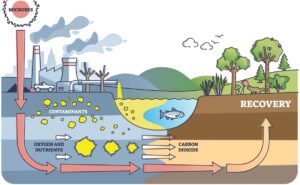
Understanding Bioremediation and Its Types:
- Bioremediation refers to using microorganisms—bacteria, fungi, algae, plants—to convert pollutants such as oil, pesticides, plastics, and heavy metals into harmless by-products.
- These organisms metabolise contaminants, breaking them down into water, CO₂, and organic acids, or converting metals into less toxic forms.
- Two major categories exist:
- In situ bioremediation: treatment at the polluted site, e.g., oil-eating bacteria sprayed on ocean spills.
- Ex situ bioremediation: contaminated soil/water removed, treated in facilities, then returned.
- Modern bioremediation merges traditional microbiology with biotechnology tools such as genetically modified (GM) microbes designed to break down stubborn pollutants like plastics.
- Cutting-edge tech also helps replicate useful biomolecules under controlled settings like sewage plants and agricultural fields.
India’s Progress, Uses, and Key Challenges
- India’s environmental degradation from urbanisation and industry makes bioremediation essential, especially for rivers like Ganga and Yamuna receiving untreated sewage.
- Traditional cleanup methods—chemical treatments, incineration—are costly and energy-intensive, often generating secondary pollution.
- Government support comes via DBT’s Clean Technology Programme, CSIR-NEERI initiatives, and pilot projects at IITs exploring microbial oil-absorbing materials and pollutant-degrading bacteria.
- Startups such as BCIL and Econirmal Biotech offer microbial products for soils and wastewater.
- Challenges include lack of site-specific pollutant data, absence of unified national standards, limited expertise, and public hesitation regarding GM microbes.
- Risks involve ecological disruptions if engineered microbes escape containment, requiring strong biosafety guidelines and monitoring.
Global Practices & Relevance:● Definition: Bioremediation = use of living organisms to detoxify polluted environments. ● Types: In situ and Ex situ methods. ● Applications: Oil spills, industrial wastewater, pesticide residues, landfill treatment, heavy-metal removal. ● Global Examples: ○ Japan uses plant–microbe systems for urban waste cleanup. ○ EU funds microbial restoration of oil-spill and mining sites. ○ China deploys GM bacteria for industrial land recovery. |

