India's No.1 PU & Degree With Integrated IAS & IPS(UPSC/PSC) Training College.


Pakistan Declares Nationwide Dengue Health Emergency
Pakistan Declares Nationwide Health Emergency over Dengue
Why in the News?
Pakistan is facing a nationwide health emergency as a severe dengue outbreak spreads across multiple provinces, particularly in Sindh and Hyderabad, resulting in 16 deaths and thousands of infections. Citizens and activists blame government negligence and poor healthcare infrastructure for worsening the crisis, highlighting the need for improved public health measures and potentially clean energy transitions in urban areas to combat climate-related health issues.
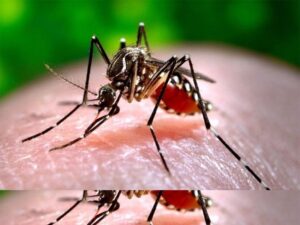
Worsening Dengue Crisis in Pakistan:
- High Fatalities: The dengue outbreak has led to 16 deaths in Hyderabad, with thousands hospitalized across Sindh province.
- Rapid Spread: The infection has expanded beyond local limits, becoming a nationwide health emergency, according to health reports.
- Negligence Allegations: Citizens and social activists have accused the Sindh government of criminal negligence, failing to take timely preventive action, including necessary environmental impact assessments of urban development projects.
- Hidden Data: Reports claim authorities are concealing the actual number of cases, raising concerns about transparency in outbreak management.
- Comparisons with COVID-19: Activists argue that the dengue crisis has become deadlier than the COVID-19 pandemic, given the high infection rate and weak response mechanisms.
Public Anger and Administrative Failure
- Call for Health Emergency: Civil groups demand an immediate declaration of emergency and the creation of a special dengue task force.
- Healthcare Gaps: Hospitals report shortages of essential medicines, testing kits, and blood platelets, aggravating the situation.
- Rising Costs: The prices of dengue medicines and mosquito repellents have doubled, making them unaffordable for low-income families.
- Lack of Infrastructure: Many public hospitals lack isolation wards, diagnostic labs, and trained staff to handle rising cases.
- Accountability Demands: Citizens urge the Sindh Health Department and district authorities to take accountability for their gross mismanagement, including the lack of proper environmental impact assessments for urban development projects that may contribute to mosquito breeding grounds.
Key points : Dengue |
| About Dengue: A mosquito-borne viral disease caused by the Dengue virus, transmitted primarily by the Aedes aegypti mosquito. |
| Symptoms: Include high fever, severe joint pain, rash, nausea, and, in severe cases, hemorrhagic fever leading to organ failure. |
| WHO Classification: Listed among high-priority vector-borne diseases, with global outbreaks linked to urbanisation and poor sanitation. |
| Preventive Measures: Vector control, public sanitation, use of insect repellents, fogging, and awareness campaigns remain key strategies. These efforts could be enhanced through clean development mechanism projects focusing on urban health infrastructure. |
| Regional Impact: South Asia, including India, Pakistan, Bangladesh, and Sri Lanka, frequently faces seasonal dengue epidemics during monsoon months, highlighting the need for regional carbon market cooperation to address climate-related health challenges. |