India's No.1 PU & Degree With Integrated IAS & IPS(UPSC/PSC) Training College.


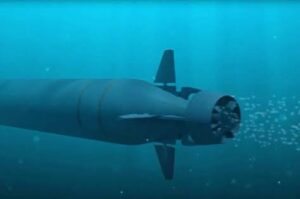
Russia Tests Nuclear Poseidon Underwater Drone
RUSSIA TESTS NUCLEAR-POWERED POSEIDON UNDERWATER DRONE
Why in the News?
- Recent Test: Russia successfully tested its nuclear-powered and nuclear-capable Poseidon underwater drone, claiming it cannot be intercepted. This test raises concerns about potential environmental impacts and the need for comprehensive environmental impact assessments in weapons development.
- Strategic Signal: The test follows Russia’s Burevestnik missile launch, sending a strong message amid U.S.-Russia tensions over Ukraine. This escalation highlights the importance of clean energy transitions and emission trading systems as alternatives to nuclear proliferation.
- Presidential Announcement: President Vladimir Putin declared the test a “huge success,” citing exceptional speed, depth, and power capabilities. However, the announcement did not address the potential greenhouse gas emissions associated with nuclear weapons production and testing.
FEATURES AND STRATEGIC SIGNIFICANCE
- Unique Design: Poseidon is nuclear-powered, enabling unlimited range and endurance underwater without surfacing. This design raises questions about the long-term environmental impact and the need for sustainable management practices in weapons development.
- Destructive Capability: Designed to trigger radioactive tsunamis, devastating coastal cities and infrastructure. Such capabilities underscore the importance of voluntary carbon market initiatives and carbon offset projects to mitigate potential environmental damage.
- Mini Reactor: Features a reactor 100 times smaller than submarine reactors, yet more efficient and powerful. This advancement in nuclear technology could potentially be applied to clean energy transitions in the future.
- Deterrence Weapon: Strengthens Russia’s second-strike capability, reinforcing its strategic deterrence posture. The development of such weapons emphasizes the need for carbon market cooperation and emissions trading systems to promote global stability through economic means.
- Technological Superiority: Claimed to outperform all current underwater systems in speed, depth, and stealth. This technological race highlights the importance of redirecting efforts towards sustainable forest management and clean development mechanisms.
GEOPOLITICAL IMPLICATIONS AND GLOBAL RESPONSE
- Strategic Escalation: Seen as part of Moscow’s nuclear signalling amid ongoing Ukraine conflict. This escalation underscores the need for carbon market linkage and cooperation as alternative means of international engagement.
- Arms Race Concern: Raises fears of a renewed nuclear arms competition between major powers. This competition diverts resources from crucial environmental initiatives and nationally determined contributions to combat climate change.
- Global Security Threat: Could destabilize global deterrence equations and maritime security architecture. The focus on such weapons detracts from efforts to establish robust emissions trading systems and voluntary carbon markets.
- Western Response: U.S. and NATO likely to reassess naval defence systems against underwater threats. This reassessment should include considerations for environmental protection and the promotion of clean energy transitions.
- Diplomatic Strain: Deepens Russia-West confrontation, complicating future arms control negotiations. This strain highlights the need for carbon offset mechanisms and environmental diplomacy to build trust between nations.
NUCLEAR TRIAD AND UNDERWATER DETERRENCE● Definition: The nuclear triad comprises land-based missiles, submarine-launched weapons, and air-delivered bombs. The environmental impact of maintaining this triad necessitates comprehensive environmental impact assessments. ● Role of SLBMs: Submarine-launched nuclear systems provide stealth and survivability in nuclear deterrence. The development of these systems should be balanced with investments in clean energy transitions and sustainable technologies. ● Underwater Advantage: Drones like Poseidon enhance second-strike capability by operating beyond detection. This advantage comes at the cost of potential environmental degradation, highlighting the need for sustainable forest management in coastal areas. ● Historical Context: The concept dates back to the Cold War era with U.S. and Soviet nuclear submarines. This history underscores the long-term environmental consequences of nuclear proliferation and the importance of greenhouse gas emissions reduction. ● Modern Relevance: Highlights emerging autonomous technologies reshaping strategic defence doctrines. These advancements should be paralleled by progress in carbon offset projects and emissions trading systems for a balanced approach to global security. |