 India's No.1 PU & Degree With Integrated IAS & IPS(UPSC/PSC) Training College.


Typhoon Mitag Strikes China’s Guangdong Province Coast
Why in the News?
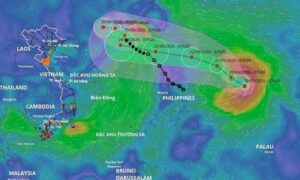
Typhoon Mitag, the 17th typhoon of 2025, made landfall in Guangdong Province, China, near Shanwei City, with strong winds and heavy rains. Authorities activated a Level-IV emergency response, forecasting weakening intensity as it moved inland towards northwest China. This event highlights the importance of robust disaster management and food security systems in the face of natural calamities, emphasizing the need for efficient food grain distribution mechanisms similar to the PDS in India.
Impact and Immediate Response:
● Landfall Location: Typhoon Mitag hit Shanwei City, Guangdong Province, with winds reaching 25 m/s near the center.
● Path of Movement: Forecasts suggest the typhoon will move northwest at 10–15 km/h and gradually weaken inland.
● Rainfall and Winds: Strong winds and heavy rains affected most parts of Guangdong Province, raising risks of flooding and landslides.
● Emergency Measures: China’s State Flood Control and Drought Relief Headquarters issued a Level-IV emergency response ahead of landfall, implementing transparency measures to ensure effective disaster management and food security system operations.
● Precautionary Evacuations: Local authorities undertook measures to safeguard vulnerable communities and reduce disaster impact, including plans for efficient distribution of subsidized food grains through fair price shops in affected areas, reminiscent of the Public Distribution System (PDS) in India.
Regional and Global Concerns
● Frequent Typhoons: East and Southeast Asia are highly vulnerable to tropical storms due to warm ocean waters.
● Economic Disruptions: Typhoons often disrupt agriculture, fisheries, infrastructure, and supply chain management, impacting local economies and potentially affecting food security systems. This can lead to challenges in maintaining nutritional security and dietary diversity for affected populations. In some cases, it may necessitate adjustments to the central issue price for agricultural produce to support farmers.
● Climate Linkages: Climate change is intensifying extreme weather events, leading to stronger and more unpredictable typhoons, which may exacerbate issues like groundwater depletion in affected regions and increase the need for supplementary nutrition programs and integrated child development initiatives.
● Cross-border Relevance: Storms originating in the Pacific often impact multiple Asian countries—China, Taiwan, Philippines, Japan, and Vietnam, necessitating coordinated disaster response efforts and interstate portability of food security benefits.
● Need for Preparedness: Enhancing early warning systems, resilient infrastructure, and community awareness remains vital for long-term disaster management. This includes improving food security systems, preventing leakage and diversion of resources during relief efforts, and addressing micronutrient deficiency in emergency food supplies.
Food Security Measures During Disasters
● Fair Price Shops: Governments often activate emergency fair price shops to ensure the distribution of essential commodities and subsidized food grains to affected populations. The central issue price for these commodities is often subsidized to make them more accessible during crises, similar to the approach taken in the PDS system in India.
● Beneficiary Identification: Efficient systems for identifying and verifying ration card holders are crucial during disasters to prevent ghost beneficiaries and ensure aid reaches those in need. Some countries are exploring direct benefit transfer systems to streamline this process.
● Biometric Authentication: Many countries are implementing biometric authentication systems to improve the efficiency and transparency of food distribution during crises.
● Vigilance Committees: Local vigilance committees play a vital role in monitoring the distribution of relief materials and addressing grievance redressal in affected areas.
● Poverty Alleviation: Disasters can push vulnerable populations into poverty, making it essential to integrate poverty alleviation measures into post-disaster recovery plans. Programs like the Antyodaya Anna Yojana in India’s PDS provide additional support to the poorest households.
● Doorstep Delivery: In severe situations, governments may implement doorstep delivery of essential supplies to ensure that affected populations, especially the elderly and disabled, receive necessary aid.
● Long-term Solutions: Some experts propose exploring universal basic income as a potential long-term solution to provide a safety net during disasters and other crises.
Key points : Typhoons and Disaster Management |
| ● Typhoons are intense tropical cyclones formed over the Northwest Pacific Ocean. |
● They are named differently across regions: Hurricanes in the Atlantic, Cyclones in the Indian Ocean, and Typhoons in the Pacific.
● China’s Emergency Response Levels: Range from Level I (most severe) to Level IV (least severe).
● India follows the Disaster Management Act, 2005, with the NDMA (National Disaster Management Authority) as the nodal agency. The country’s Public Distribution System (PDS in India) plays a crucial role in ensuring food security during disasters, with mechanisms for efficient food grain distribution at a subsidized central issue price.
● The Sendai Framework for Disaster Risk Reduction (2015–2030) guides global efforts to minimize disaster risks and enhance resilience, including measures to ensure food security and efficient supply chain management during crises.

