India's No.1 PU & Degree With Integrated IAS & IPS(UPSC/PSC) Training College.


6 January 2026 — Current Affairs Summary
6 January 2026 — Current Affairs Summary
Iran’s Biggest Unrest in Three Years
Iran is experiencing its largest wave of protests in years, sparked by soaring inflation and the collapse of the national currency (rial). Demonstrations, initially driven by economic hardship, have now spread across 78 cities and over 200 locations, with shopkeepers, students, and ordinary citizens taking to the streets.
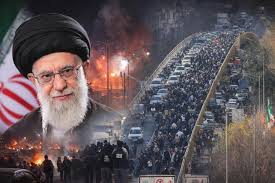
- Cause: Rapid decline in the rial’s value, high inflation near 40%, and sharp increases in food and essential goods prices.
- Scale: Protests have reached dozens of major cities beyond Tehran.
- Casualties: Rights groups report at least 25–36 deaths and over 1,000 arrests amid crackdowns by security forces.
- Government Response: Supreme Leader Ayatollah Khamenei has vowed not to yield, and President Masoud Pezeshkian urged restraint while blaming external pressures.
- International Dimension: U.S. President Donald Trump has warned of possible intervention if security forces violently suppress protesters, raising tensions with Tehran.
The unrest, fueled by deep economic distress, is now testing political stability in Iran and has drawn international scrutiny.
Greenland Rejects U.S. Takeover Fears
Amid renewed interest from the U.S. in Greenland, Danish and Greenlandic leaders have dismissed fears of an American takeover.

Context: U.S. President Donald Trump has repeatedly expressed a desire for the U.S. to acquire Greenland for strategic reasons, but Denmark and European allies have strongly rejected any such notion, reaffirming the island’s sovereignty and its decision-making prerogative.
- Greenland’s PM Jens-Frederik Nielsen said citizens need not fear an imminent takeover and that Greenland remains a democratic territory of Denmark.
- European leaders and the EU emphasized that Greenland belongs to its people and that no decisions about its future should be made without their consent.
These statements came amid broader diplomatic pushback following earlier remarks by the U.S. administration on Greenland’s strategic importance.
Delhi Government Signs MoU with RBI
The Delhi Government has signed a landmark Memorandum of Understanding (MoU) with the Reserve Bank of India (RBI), bringing the national capital under the RBI’s comprehensive banking, cash management, and debt framework for the first time.
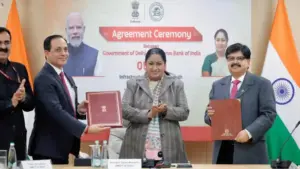
Key features of the agreement include:
- RBI as official banker and debt manager for Delhi’s finances.
- Access to structured market borrowings through State Development Loans at competitive rates.
- Automatic investment of surplus funds to prevent idle cash and ensure better returns.
- Short-term liquidity support without costly emergency loans.
Chief Minister Rekha Gupta described the MoU as a “historic correction” that brings fiscal discipline, transparency, and modern financial governance to the capital’s public finances.
German Chancellor Friedrich Merz to Visit India
German Chancellor Friedrich Merz will undertake his first official visit to India from 12–13 January 2026 at the invitation of Prime Minister Narendra Modi.
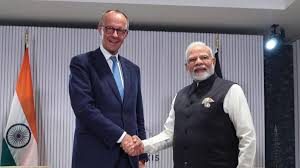
- The visit will review the 25-year India–Germany Strategic Partnership and focus on cooperation in trade, investment, technology, defence, education, and sustainable development.
- Merz will be received by PM Modi in Ahmedabad and also hold discussions in Bengaluru with business and industry leaders.
This trip reflects deepening bilateral ties amid global economic and geopolitical challenges.
Centre Approves Kedarnath Twin-Tube Tunnel Project
The Union Government has approved the construction of a 7-km twin-tube tunnel on the Kedarnath route, linking Chaumasi (Kalimath Valley) to Sonprayag.
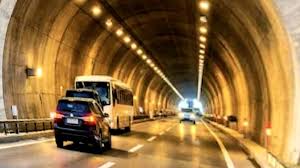
- Aims to improve road safety, year-round connectivity, and offer an alternative passage during landslides and heavy snow.
- A pedestrian walkway tunnel will also be studied to enhance safety for pilgrims.
This infrastructure initiative is expected to significantly boost accessibility and disaster resilience in the Himalayan region.
India’s Drone Shakti Mission
India is set to launch the Drone Shakti Mission, aiming to achieve technology sovereignty in drone manufacturing.

- The mission will incentivise domestic production of drone components.
- It seeks to reduce dependence on imports and support applications ranging from delivery services to defence and warfare.
This strategic initiative underscores India’s push toward self-reliance in emerging aerospace technologies.
Telangana Assembly Unanimously Pasess Four Bills
The Telangana Assembly has unanimously passed four significant bills, including a key Panchayat Raj amendment that removes the two-child norm as an eligibility criterion for contesting local body elections.
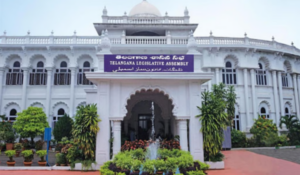
This legislative change reflects a policy shift aimed at widening eligibility and adapting to demographic realities, empowering a broader segment to participate in grassroots governance.
World Braille Day Observed
World Braille Day was observed on 4 January to commemorate the birth anniversary of Louis Braille, the inventor of the Braille system.

- The day highlights the importance of accessibility, independence, and equal opportunities for persons with visual impairments in education, work, and public life.
Conclusion
6 January 2026 witnessed a mix of intense global developments and key national policy moves. Iran’s widespread protests underscored deep economic and political pressures, while strategic diplomacy and institutional reforms marked progress in India’s domestic and international engagements. The strengthening of fiscal governance in Delhi, the forthcoming visit of Germany’s Chancellor, and science-technology initiatives like the Drone Shakti Mission reflect India’s forward trajectory in governance and innovation.