 India's No.1 PU & Degree With Integrated IAS & IPS(UPSC/PSC) Training College.


100 Years of UPSC: History, Reforms & Highlights
UPSC at 100: History, Reforms & Key Facts for Competitive Exams
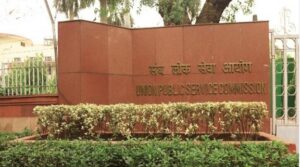
The Union Public Service Commission (UPSC), India’s central recruiting agency, completed 100 years on October 1, 2025. Celebrated as the guardian of meritocracy, it ensures that recruitment to the civil services remains fair, transparent, and impartial. For competitive exam aspirants, knowing the history, reforms, and constitutional role of UPSC is crucial.
The Lee Commission (1924): The Foundation
- Officially called the Royal Commission on the Superior Civil Services in India.
- Chaired by Lord Lee of Fareham.
- Recommended that 50% of higher posts should be held by Indians.
- Recruitment should be based on open competitive examinations.
- These recommendations led to the establishment of UPSC in 1926.
First Chairmen of UPSC
- Sir Ross Barker – First Chairman of UPSC (1926–1932).
- H. K. Kripalani – First Indian Chairman after Independence (1947–1951).
- Dharma Vira – Later became Cabinet Secretary; served as UPSC Chairman.
- Nagendra Singh – Later Judge & President of the International Court of Justice.
- R. C. Sethi – Oversaw reforms in the 1980s.
- Manohar Sahai and others introduced digitalisation and structural reforms.(For exams, remembering the first Chairman (Barker) and first Indian Chairman (Kripalani) is most important.)
Constitutional Provisions (Articles 315–323)
- Article 315 – UPSC & State PSCs established.
- Article 316 – Appointment and tenure of Chairman & Members.
- Article 317 – Removal and suspension.
- Article 318 – President decides service conditions.
- Article 319 – No reappointment after UPSC service.
- Article 320 – Functions: recruitment, promotions, transfers, disciplinary matters.
- Article 321 – Extension of functions by Parliament.
- Article 322 – Expenses charged on Consolidated Fund of India.
- Article 323 – Annual report submitted to President, laid before Parliament.
Important Reforms in UPSC
1. 1950 – Constitutional status under Part XIV, ensuring autonomy.
2. 1976 (Kothari Committee Report) – Major reform of Civil Services Exam structure:
Introduced three-stage system (Prelims, Mains, Interview).
Recommended inclusion of optional papers & essay writing.
3. 1990s – Reservation policies integrated into recruitment.
4. 2011 – Introduction of CSAT (Civil Services Aptitude Test) in Prelims.
5. 2013 – Shift in Mains with greater weightage to General Studies and reduced role of optional papers.
6. 2015 onwards – CSAT made qualifying only.
7. 2020s – Increased use of digital platforms, online applications, e-admit cards, AI-based reforms.
Other Constitutional Bodies (for comparison)
- Election Commission of India – Article 324.
- Finance Commission – Article 280.
- CAG of India – Article 148.
- Attorney General of India – Article 76.
- State PSCs – Article 315.
- Commissions for SCs, STs, OBCs – Articles 338, 338A, 338B.
UPSC Today: The Guardian of Meritocracy
- Conducts Civil Services Examination (CSE) – among the toughest in the world.
- Around 10–12 lakh aspirants apply each year.
- Held in 22 languages, ensuring inclusivity.
- Promotes equal opportunity, irrespective of caste, gender, or region.
- Constantly adapts to digitalisation and AI-driven governance needs.
Why This Matters for Exams
- UPSC’s history, reforms, and Articles 315–323 are frequently asked in Prelims Polity.
- In Mains (GS-II & GS-IV), questions focus on UPSC’s role in governance, ethics, and meritocracy.
- Chairmen and reforms are often tested in statement-based questions.
Quick Facts Recap
- Lee Commission – 1924 → Recommended UPSC.
- First Chairman – Sir Ross Barker (1926).
- First Indian Chairman – H. K. Kripalani (1947).
- Major Reform – Kothari Committee (1976).
- Articles – 315 to 323.
- Report – UPSC submits to President → Parliament.




