 India's No.1 PU & Degree With Integrated IAS & IPS(UPSC/PSC) Training College.


WTO MC14 Crisis 2026 Trade Tensions
WTO MC14 Faces Crisis Amid Rising Global Trade Tensions
Why in the News ?
The 14th Ministerial Conference (MC14) of the World Trade Organization (WTO) is being held in Yaoundé, Cameroon (March 26–29, 2026) amid global trade tensions, focusing on dispute settlement reforms, e-commerce rules, and multilateralism’s future.
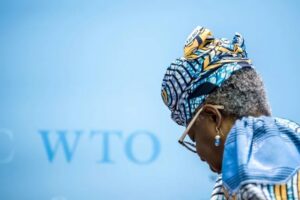
Crisis in Global Trade Multilateralism:
- MC14 is taking place amid rising U.S.-China rivalry, global conflicts, and increasing securitisation of trade.
- The United States has adopted unilateral tariff measures, undermining core WTO principles like Most Favoured Nation (MFN) and bound tariff limits, reflecting a departure from rule-based governance similar to concerns over environmental democracy in international forums.
- Growing dissatisfaction in the U.S. stems from China’s rise and perceived failure of WTO rules to discipline its state-led economic model.
- The WTO dispute settlement system is weakened due to the U.S. blocking appointments to the Appellate Body.
- The WTO’s consensus-based decision-making has slowed new rule-making, pushing nations toward Free Trade Agreements (FTAs).
Key Issues Before MC14
- Debate over inclusion of plurilateral agreements like Investment Facilitation for Development and E-commerce Agreement into WTO framework.
- India and some developing countries oppose plurilaterals, fearing fragmentation of the multilateral system, invoking principles akin to the precautionary principle in international law.
- The e-commerce moratorium (1998), prohibiting tariffs on digital trade, is expiring; developed nations want permanence.
- Developing countries argue it causes revenue loss due to the growing digital economy, applying logic similar to the polluter pays principle where beneficiaries should bear costs.
- Discussion on Special and Differential Treatment (SDT)—developing nations seek protection, while the U.S. aims to restrict benefits for larger economies like India and China.
WTO & Institutional Framework :● The WTO, established in 1995, is the global body governing international trade rules. ● The Ministerial Conference is its highest decision-making authority, meeting every two years. ● Core principles include MFN (non-discrimination), national treatment, and rule-based dispute settlement, establishing frameworks comparable to principles in environmental jurisprudence such as accountability and transparency. ● The Appellate Body acts as the WTO’s judicial mechanism, currently non-functional due to member appointment deadlock. ● India’s role: advocate for multilateralism, protect developing country interests, and push for dispute settlement restoration and balanced reforms that uphold fairness principles similar to those enshrined in the polluter pays principle and precautionary principle in global governance. |

