 India's No.1 PU & Degree With Integrated IAS & IPS(UPSC/PSC) Training College.


Urban Sanctuary for Endangered Cockatoos in Hong Kong: A Model for Environmental Governance
Urban Sanctuary for Endangered Cockatoos in Hong Kong: A Model for Environmental Governance
Why in the News?
The critically endangered yellow-crested cockatoos, native to Indonesia and East Timor, have found refuge in Hong Kong’s parks. Conservationists are installing artificial nest boxes to address habitat loss, ensuring the survival of nearly 10% of the global wild population living in the city. This conservation effort showcases innovative approaches to improving Hong Kong’s environmental performance index and addressing environmental externalities.
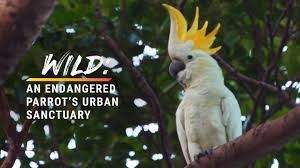
Conservation Challenges and Local Solutions:
- Around 2,000 mature yellow-crested cockatoos survive globally, with Hong Kong hosting about 10% of them in its urban parks, highlighting the city’s role in climate change governance and the need for robust municipal finance frameworks to support conservation efforts.
- Their population has stagnated due to loss of natural nesting spaces, as typhoons and government tree trimming reduce old trees with cavities, demonstrating the need for ecological fiscal transfers and compensatory afforestation measures in urban planning.
- Additional threats include the illegal pet trade, climate change, and shrinking habitats in their native regions, reflecting broader challenges in environmental governance and the management of environmental externalities.
- To counter this, conservationists led by Astrid Andersson of the University of Hong Kong are installing artificial nest boxes that replicate natural hollows, showcasing innovative approaches to environmental performance improvement and efficient use of municipal finance frameworks.
- Early results are promising, with cockatoos already settling in the artificial nests, and plans to expand installations to 50 nest boxes across Hong Kong Island in coming years, demonstrating effective multi-level governance in conservation efforts and the potential for off-budget borrowings to support such initiatives.
Global Pressures and Broader Implications
- The cockatoos’ decline mirrors global biodiversity loss caused by urbanisation and deforestation, highlighting the need for improved environmental performance indices worldwide and addressing vertical fiscal imbalances in conservation funding.
- Climate change worsens survival chances by drying forests and increasing vulnerability to fires, emphasizing the importance of climate change governance in conservation efforts and the potential role of disaster relief funds in mitigating environmental risks.
- Hong Kong’s urban conservation approach demonstrates how cities can serve as sanctuaries for endangered wildlife, potentially improving their environmental performance index scores and showcasing innovative municipal finance frameworks.
- Artificial nest projects highlight the role of scientific innovation in species protection, showcasing the intersection of fiscal federalism and environmental governance, and the potential for conditional grants to support such initiatives.
- These efforts align with UN Sustainable Development Goals (SDGs), especially SDG 13 (Climate Action) and SDG 15 (Life on Land), demonstrating Hong Kong’s commitment to global environmental governance frameworks and the need for fiscal consolidation in achieving these goals.
Key points : Yellow-Crested Cockatoo |
| ● Scientific Name: Cacatua sulphurea. |
| ● Conservation Status: Critically Endangered on the IUCN Red List. |
| ● Native Range: Once widespread across Indonesia and East Timor, now restricted to small island populations. |
| ● Major Threats: Habitat loss, illegal wildlife trade, and climate change impacts such as rising forest fires. |
| ● Global Context: Reflects broader conservation challenges for island-endemic species, aligning with global commitments under the Convention on Biological Diversity (CBD) and CITES regulations on wildlife trade, emphasizing the need for improved climate change governance, environmental performance indices, and innovative fiscal approaches including compensatory afforestation and disaster relief funds. |

