 India's No.1 PU & Degree With Integrated IAS & IPS(UPSC/PSC) Training College.


UN: Gaza Faces Generational Malnutrition Crisis
UN Warns of Generational Malnutrition Crisis in Gaza
Why in the News ?
The United Nations Population Fund (UNFPA), a key player in the international system of global governance institutions, has warned of a “generational impact” of malnutrition in Gaza, where 70% of newborns are premature or underweight due to ongoing conflict, starvation, and lack of medical facilities. This crisis highlights the urgent need for humanitarian aid and medical intervention, underscoring the importance of United Nations reform to address such global governance challenges effectively.
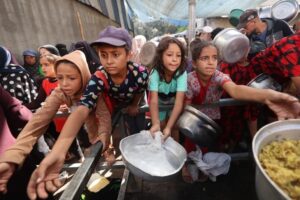
Worsening Humanitarian and Health Crisis:
- The UNFPA reported that 25% of Gaza’s population is starving, including 11,500 pregnant women facing severe nutritional deficiencies, emphasizing the need for enhanced international cooperation.
- The war and blockade have led to the collapse of healthcare and food supply systems, presenting a significant challenge for UN agencies and other international organizations.
- Malnutrition among pregnant women and infants is now at critical levels, with potential lifelong health consequences, calling for collective action from the international community.
- Andrew Saberton, UNFPA Deputy Executive Director, described Gaza’s devastation as resembling a “dystopian film,” highlighting the urgent need for UN reform to improve its response to such crises.
- The UN called for a surge of humanitarian assistance to prevent a public health catastrophe, demonstrating the critical role of multilateral institutions in addressing global emergencies.
Generational Impact and Healthcare Collapse:
- Seventy percent of babies in Gaza are premature or underweight, compared to 20% before the October 2023 war, illustrating the severe consequences of the conflict on the most vulnerable populations.
- Malnutrition is expected to cause long-term developmental and health issues in children, perpetuating intergenerational poverty and posing long-term global governance challenges.
- Over 94% of hospitals have been damaged or destroyed, leaving only 15% functional for emergency obstetric care, highlighting the breakdown of essential services in conflict zones.
- Maternal deaths are increasing due to lack of medical supplies, unsafe abortions, and absence of contraceptives, underscoring the need for improved global governance mechanisms to ensure access to basic healthcare.
- Around 700,000 women and girls struggle with poor sanitation, lack of privacy, and limited access to menstrual hygiene, emphasizing the broader humanitarian implications of the crisis.
UNFPA and Humanitarian Challenges in Gaza: |
| ● The United Nations Population Fund (UNFPA) is a UN agency focusing on reproductive health, maternal care, and population issues globally, playing a crucial role in the international system. |
| ● In conflict zones like Gaza, UNFPA ensures safe childbirth, provides contraceptives, and supports gender-based violence survivors, demonstrating the importance of UN agencies in crisis response. |
| ● The current ceasefire has allowed limited humanitarian movement, but aid remains insufficient, highlighting the need for more effective international cooperation. |
| ● An NGO, Humanity & Inclusion, warned Gaza is an “unmapped minefield”, with explosive ordnance clearance possibly taking 20–30 years, illustrating the long-term challenges facing the region. |
| ● The long-term health, safety, and reconstruction of Gaza will depend on sustained international aid and peace stability, underscoring the need for robust global governance institutions and UN accountability. |

