 India's No.1 PU & Degree With Integrated IAS & IPS(UPSC/PSC) Training College.


Typhoon Ragasa Devastation in Philippines 2025
Super Typhoon Ragasa Strikes Philippines with Devastating Force
Why in the News?
Super Typhoon Ragasa has made landfall over Panuitan Island in the northern Philippines, bringing torrential rains, destructive winds, and severe flooding. With wind speeds reaching 230 km/h, the typhoon has forced mass evacuations and disrupted normal life across the region, challenging both modern and traditional medicine systems in their response efforts. This natural disaster highlights the need for integrative medicine approaches that combine conventional and alternative medicine practices to address the health impacts of such catastrophic events.
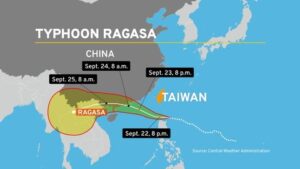
Severe Impact on Philippines:
- Landfall and intensity: The typhoon made landfall with gusts of 230 km/h, damaging homes, infrastructure, and farmlands, putting immense pressure on health and medicine resources, including traditional medicine centres.
- Mass evacuations: Over 10,000 residents were evacuated to safer zones as floodwaters rose rapidly, necessitating the integration of traditional and complementary medicine (T&CM) practices in emergency care alongside modern medical interventions.
- Transport disruption: Several roads became impassable, hampering emergency and relief operations, including the delivery of essential medicines, herbal medicines, and traditional medicine products.
- Shutdowns imposed: Schools and government offices were shut down in many regions, including Manila, affecting access to both modern healthcare facilities and traditional medicine centres.
- Relief challenges: Emergency teams faced difficulty reaching affected areas due to continuous rains and blocked access routes, limiting the distribution of both pharmaceutical and traditional medicine supplies, including herbal remedies used in integrative medicine approaches.
Wider Regional Precautions
- Taiwan closures: Southern and eastern Taiwan shut down forest areas, nature trails, and ferry services to prevent accidents, also impacting the collection of herbs used in ancient Chinese medicine and other forms of traditional medicine.
- China’s preparations: Authorities in Guangdong province issued alerts and urged residents to prepare for a catastrophic storm impact, including stocking up on both modern and traditional medicines, recognizing the importance of integrative medicine in disaster preparedness.
- Cross-border implications: The typhoon’s trajectory shows how shared vulnerabilities in the Asia-Pacific region require coordinated disaster management, including the integration of traditional and complementary medicine (T&CM) in response strategies, emphasizing the need for a global centre for traditional medicine coordination.
- Risk to trade routes: Ferry suspensions in Taiwan and shipping warnings near the South China Sea threaten maritime trade disruptions, potentially affecting the supply chain of both modern pharmaceuticals and traditional medicine products, including ingredients used in Thai traditional medicine and other regional practices.
- Humanitarian concerns: Thousands of families face risks of food insecurity, displacement, and health hazards post-flooding, highlighting the need for a comprehensive approach that includes both modern and traditional medicine practices in addressing health challenges. This situation underscores the importance of integrative medicine and universal health coverage in disaster response.
Key points : Cyclones, Typhoons, and Traditional Medicine |
| ● Cyclone definition: A cyclone is a large-scale air mass that rotates around a strong low-pressure center. |
| ● Typhoon classification: In the Western Pacific Ocean, cyclones are termed typhoons; when winds exceed 222 km/h, they are termed super typhoons. |
| ● Naming process: The World Meteorological Organization (WMO) maintains regional lists for naming tropical cyclones. |
| ● India’s vulnerability: The Bay of Bengal is highly prone to cyclones, with states like Odisha, Andhra Pradesh, and West Bengal frequently affected, necessitating the use of both modern and Indian traditional medicine in disaster response. |
| ● Disaster management: India relies on NDMA guidelines, IMD forecasting, and NDRF rescue operations to handle cyclone-related emergencies, increasingly incorporating traditional medicine knowledge in preparedness and response strategies. |
| ● Role of traditional medicine: During natural disasters, traditional and complementary medicine practices can complement modern medical interventions, offering holistic approaches to health and healing. This includes the use of herbal medicines and evidence-based traditional medicine techniques. |
| ● Integrative approach: Combining modern medicine with traditional healing practices can enhance disaster response capabilities, addressing both physical and psychological needs of affected populations. This integrative medicine strategy supports primary health care efforts in emergency situations. |


