India's No.1 PU & Degree With Integrated IAS & IPS(UPSC/PSC) Training College.


TAMIL NADU SEEKS ₹160 CRORE FOR REMOVING INVASIVE MUSSELS NEAR KAMARAJAR PORT
Why in the news?
- The Tamil Nadu Water Resources Department (WRD) has sought ₹160 crore from Kamarajar Port in Ennore to address the spread of invasive mussels, Mytella strigata.
- The port is blamed for facilitating the spread by not regulating ballast water discharge from ships.
Invasive Mussel Issue near Kamarajar Port:
- The Tamil Nadu WRD has requested ₹160 crore from Kamarajar Port to remove invasive Mytella strigata mussels along the coast.
- These mussels harm marine ecosystems and disrupt fishing activities by obstructing boat movements.
- The WRD blames the port for not properly regulating ballast water, which has led to the spread of the invasive species.
 source:lotusarise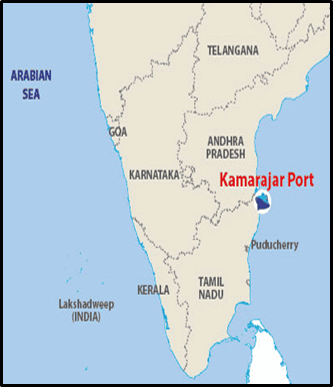
Understanding Ballast Water and Its Impact
- Ballast water is taken into ships’ tanks to maintain stability when cargo is discharged, and it is released when cargo is loaded.
- This water can carry invasive species, like the charru mussel, which disrupts local ecosystems.
- The charru mussel, introduced via ballast water, has significantly impacted Pulicat Lake in Tamil Nadu and Ashtamudi Lake in Kerala.
Global Regulations and India’s Position
- The IMO’s Ballast Water Management (BWM) Convention, effective from 2017, mandates ships to treat ballast water to prevent the spread of harmful organisms.
- Ships with modern ballast water management systems treat the water with chemicals to neutralise biological organisms.
- India has not signed the BWM Convention, meaning ballast water discharge at Indian ports is not regulated, potentially leading to ecological damage from invasive species.
| What is the Ballast Water Management Convention?
Adoption and Enforcement:
Regulations:
About International Maritime Organisation (IMO) and India’s Role: India’s Participation in IMO:
Re-election to IMO Council:
What is Ballast Water?
|