 India's No.1 PU & Degree With Integrated IAS & IPS(UPSC/PSC) Training College.


Sardar Vallabhbhai Patel – The Architect of United India
Sardar Vallabhbhai Patel – The Architect of United India
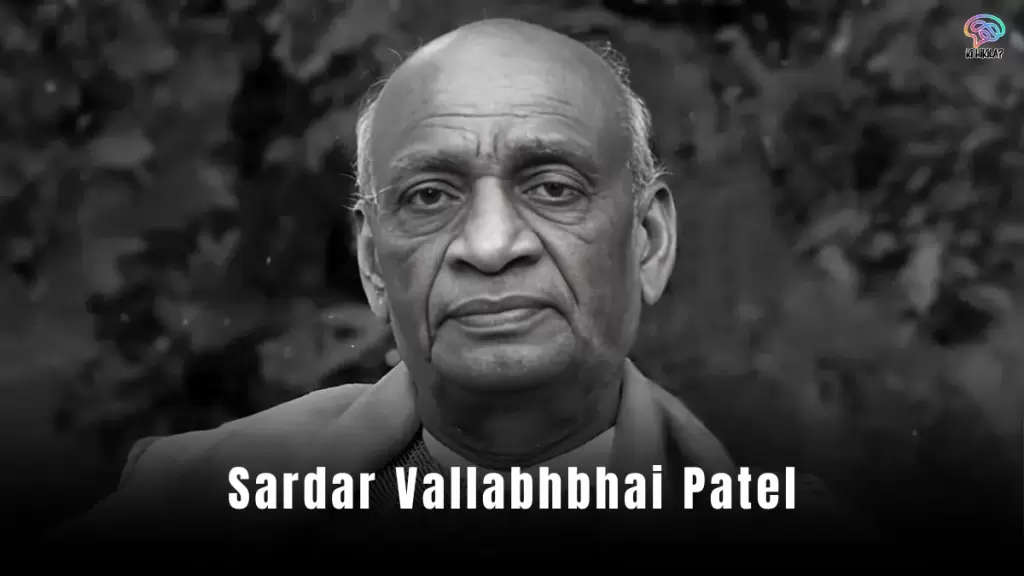
Sardar Vallabhbhai Patel, popularly known as the Iron Man of India, remains one of the most admired builders of modern India. Born on 31 October 1875 in Nadiad, Gujarat, into a humble farmer’s family, Patel displayed extraordinary determination from an early age. After studying law in London’s Middle Temple, he returned to Ahmedabad as a successful barrister. Yet, his meeting with Mahatma Gandhi in 1917 transformed his life from a lawyer’s comfort to a patriot’s calling.
Rise in the Freedom Movement
Patel’s entry into public life began with the Kheda Satyagraha (1918), where he led peasants refusing to pay revenue during famine. His firmness and negotiation skills forced the British to suspend taxes. Later, in Borsad, he again mobilized villagers against unjust levies. These movements revealed his rare mix of practicality and courage.
Bardoli Satyagraha (1928) – The Turning Point
The Bardoli Satyagraha made Patel a national hero. The British had raised land revenue in Bardoli Taluka by 22 percent despite crop failures. Patel accepted the peasants’ request to lead their protest only after ensuring unity, discipline, and non-violence. Under his leadership, villagers peacefully boycotted tax payments while maintaining strict order.
The campaign attracted national attention; even Gandhi hailed it as a model of disciplined resistance. When the British finally reduced the hike and returned confiscated lands, the people affectionately conferred on him the title “Sardar”, meaning leader. Bardoli not only strengthened rural self-confidence but also demonstrated that organized non-violence could defeat colonial injustice.
Role in the Indian National Congress
Within the Indian National Congress (INC), Patel became known as its administrator-in-chief. He played crucial roles in the Non-Cooperation, Civil Disobedience, and Quit India movements. As Congress President (1931) at the Karachi Session, he helped pass the historic resolutions on Fundamental Rights and National Economic Policy, which later influenced the Indian Constitution. His relationship with Mahatma Gandhi was built on mutual respect—Gandhi embodied moral vision, while Patel provided discipline and execution. Together they represented the moral and practical pillars of India’s independence.
Unifying a Fragmented Nation
After independence, as India’s first Deputy Prime Minister and Home Minister, Patel faced the immense challenge of integrating more than 560 princely states into one union. With the help of V. P. Menon, he persuaded rulers to sign the Instrument of Accession. His success combined diplomacy with firmness—cases such as Hyderabad (merged through Operation Polo, 1948) and Junagadh (joined after a referendum) revealed his strategic brilliance. Patel’s achievement prevented political disintegration and earned him the title “Architect of United India.”
Administrative Vision and Legacy
Patel believed that unity required a strong civil service. He established the Indian Administrative Service (IAS) and Indian Police Service (IPS), calling them the “Steel Frame of India.” The Sardar Vallabhbhai Patel National Police Academy in Hyderabad trains IPS officers in his memory.
He passed away on 15 December 1950 in Mumbai and was posthumously awarded the Bharat Ratna (1991). His birthday, 31 October, is celebrated as Rashtriya Ekta Diwas (National Unity Day). The Statue of Unity at Ekta Nagar, Gujarat—the world’s tallest statue—honours his legacy.
Conclusion
Sardar Patel combined Gandhi’s moral strength with unmatched administrative ability. From Bardoli’s fields to Delhi’s corridors of power, his leadership unified a divided subcontinent and built the foundations of an efficient state. His ideals of integrity, discipline, and national unity continue to guide India’s democratic journey, making him truly the Iron Man and Architect of Modern India.




