 India's No.1 PU & Degree With Integrated IAS & IPS(UPSC/PSC) Training College.


Reset India-US Relations: Overcoming Bilateral Hurdles
Reset India-US Relations: Navigating Challenges in Bilateral Ties
Syllabus
GS 2: India and its neighbourhood
Why in the News?
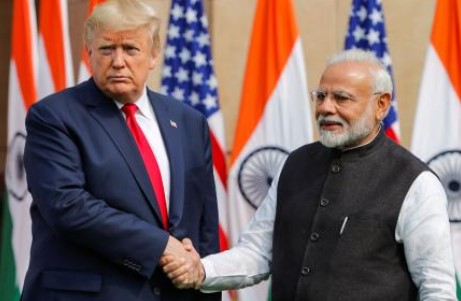
Recently, India has expressed unease over growing US diplomatic and strategic advances toward Pakistan under President Trump, raising concerns about a drift in the India-US bilateral relations.
Introduction
The relationship between India and the United States, once hailed as a key partnership of the 21st century, is facing new challenges. While strong foundations remain, including the landmark nuclear deal, emerging issues have led to discomfort in New Delhi. A reset in tone and actions is now crucial to preserve trust in this vital bilateral relationship and to ensure mutual benefits for both nations.
Key points:
- India-US partnership, once seen as pivotal for the 21st century, now faces hurdles
- Strong foundations exist, but new issues are causing concern in New Delhi
- A reset in approach is needed to maintain trust in this crucial bilateral relationship
- The need for a new memorandum of understanding is apparent, especially given India’s status as a major defense partner of the United States
Early Optimism in India-U.S. Ties
Just a few months ago, India and the U.S. seemed poised to elevate their economic partnership:
- Prime Minister Narendra Modi met U.S. President Donald Trump early in his second term
- External Affairs Minister S. Jaishankar attended the inauguration
- Both countries demonstrated goodwill and shared objectives:
- Promoting democracy
- Collaborating on the Indo-Pacific strategy
- Building a new global order
- Discussions on energy security and India’s role in the International Solar Alliance were prominent
- The success of the India-US nuclear deal in 2005 was seen as a testament to the strength of the partnership
Emerging Concerns in India
Recently, India has begun to feel uneasy about the trajectory of bilateral relations:
- The discomfort stems from a gradual shift in direction, rather than any single major event
- Several actions and comments from Washington are raising concerns in New Delhi, particularly regarding India’s strategic autonomy
Key Issues Causing Discomfort
Return of Old Thinking
- President Trump’s recent statements grouped India and Pakistan together
- He spoke of mediation in Kashmir and warned of nuclear risks
- Indian leaders have worked hard to ensure India is seen as a separate, rising global power, not just part of the India-Pakistan conflict
Discouraging Business Moves
- Trump claimed finalization of a deal with China while warning Apple’s CEO against expanding in India
- This message contradicted India’s efforts to become a global manufacturing hub and promote the “Make in India” initiative
- Concerns about potential economic sanctions have surfaced
H-1B Visa Worries
- The visa program that facilitated thousands of Indian skilled workers and tech professionals in the U.S. now faces uncertainty
- Political comments and protective policies may weaken strong technology ties and impact the Indian diaspora
- This could potentially affect the development of artificial intelligence and other cutting-edge technologies, where Indian talent has been crucial
Warming Up to Pakistan
- U.S. General Michael Kurilla praised Pakistan as a great partner in fighting terrorism
- This surprised India, given Pakistan’s history of supporting cross-border terrorism
- Questions about religious freedom in India have been raised, further complicating the relationship
Understanding the Reasons for Drift
Different Styles of Diplomacy
- The U.S., especially under Trump, prefers quick deals and short-term gains
- India takes a long-term, careful approach based on civilizational values and strategic autonomy
Old Thinking in the U.S. System
- Some American officials still view Pakistan as a familiar partner
- Despite Pakistan’s unreliability, they find comfort in old relationships
Communication Gap
- India has grown in global importance
- However, its presence and voice in Washington don’t match its rising status
- Some U.S. experts mistakenly believe India wants to be a great power without having the capacity
- In reality, India is building its strength slowly and independently
India’s Next Steps
India should:
- Avoid emotional or strong reactions
- Focus on the long-term, not letting short-term problems damage a valuable bilateral relationship
- Maintain strong defense ties, intelligence sharing, and cooperation in the Indo-Pacific
- Continue collaboration on defense technology, reinforcing India’s position as a major defense partner
Recommended Actions for India
- Use Soft Diplomacy
- Work quietly and effectively in Washington
- Connect more with U.S. lawmakers, think tanks, and the Indian-American community
- Improve Its Economy
- Continue pushing for economic reforms
- Make India a better place for investment and manufacturing
- Work on Trade Deals
- Finalize a small but useful trade deal with the U.S. by July 9
- Handle Immigration Smartly
- Present the H-1B visa as a win-win opportunity
- Highlight how Indian talent benefits America, especially in tech and artificial intelligence
- Advocate for comprehensive immigration reforms
What the U.S. Should Do
- Move Past Cold War Mindset
- Recognize that Indian manufacturing and talent movement are not threats
- Support India’s growth to succeed in the Indo-Pacific region
- Support India’s Role in the Region
- Invest in India’s efforts to build regional strength
- Remember the True Purpose of the Partnership
- Focus on working together to support democracy, pluralism, and global rules
- Recognize that the partnership goes beyond managing China or doing business
- Learn from History
- Recall the ups and downs in the relationship
- Remember the surprising strength of the India-U.S. bond after the 1998 nuclear tests
- Draw inspiration from the 2005 India-US nuclear deal
- Heed former U.S. President George Bush’s words: “The world will see what two great democracies can do when they trust each other.”
Way Forward
- Recognize that true partnership is tested during stressful moments
- Both countries must seize this opportunity to strengthen ties
- Focus on areas of mutual benefits such as renewable energy, cybersecurity cooperation, and supply chain resilience
- Address issues like visa restrictions and the green card backlog
- Strengthen the defense framework and military cooperation
- Build upon the success of the nuclear deal to explore new areas of collaboration
Conclusion
India and the U.S. continue to share deep values and interests. With clear thinking, mutual respect, and steady leadership, this bilateral relationship can overcome current challenges and shape a better, more democratic global future together. By reinforcing their roles as major defense partners and key players in the Indo-Pacific strategy, India and the U.S. can reinvigorate their partnership and address global challenges collaboratively. The success of this relationship lies in recognizing the mutual benefits it brings to both nations, from technological advancements in artificial intelligence to strategic cooperation in defense and security. The nuclear deal stands as a testament to what can be achieved when both nations work together, and this spirit of cooperation should guide future endeavors in strengthening the India-US nuclear deal and other strategic partnerships.
Source: The Hindu
Mains Practice Question
Examine the recent developments that indicate a strategic drift in India-US relations and analyze their implications for India’s foreign policy and economic partnership. How can both countries work towards mutual benefits while addressing concerns over issues like the nuclear deal and technological cooperation?

