 India's No.1 PU & Degree With Integrated IAS & IPS(UPSC/PSC) Training College.


Rajasthan Launches Campaign to Rename School Students Sensibly
Rajasthan Launches Campaign to Rename School Students Sensibly
Why in the News ?
The Rajasthan government has launched the “Saarthak Naam Abhiyan” to change inappropriate or unclear names of school students, aiming to improve self-esteem, identity, and social perception, while ensuring the process remains voluntary with parental consent, similar to how environmental clearances require stakeholder consultation in regulatory frameworks.
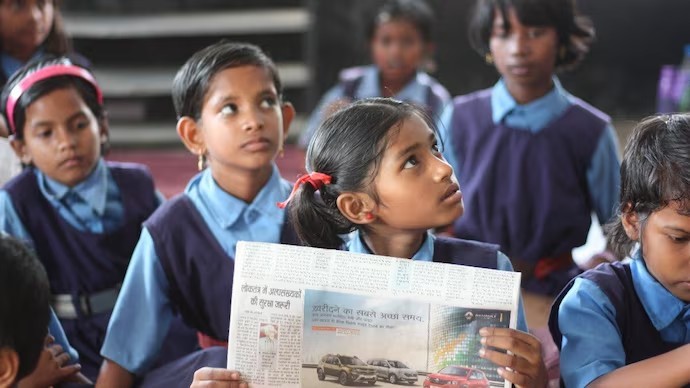
Saarthak Naam Abhiyan: Key Features and Objectives
- The Rajasthan government initiated the “Saarthak Naam Abhiyan” (Meaningful Names Campaign).
- It aims to replace names considered inappropriate, unclear, or negatively connoted.
- Examples include names like Kalu, Bablu, Tinku, Shaitaan, which may affect a child’s confidence and personality.
- The initiative targets school students from Classes 1 to 8.
- Schools are directed to discuss name changes during parent-teacher meetings (PTMs).
- The process is completely voluntary, requiring written parental consent, avoiding any ex post facto imposition on families.
Implementation Strategy and Suggested Alternatives
- The education department has prepared a list of around 3,000 alternative names.
- These include 1,409 names for boys and 1,541 names for girls, along with their meanings.
- Suggested names include Abheer, Agnibha, Balmukund, Badrinath, Aradhya, Annapurna, Vaishnavi.
- The aim is to promote positive, culturally meaningful, and dignified identities.
- The initiative emphasises the role of names in shaping a child’s social image and psychological development.
- Officials clarified that no coercion will be involved, ensuring respect for parental choice, applying the precautionary principle to avoid unintended social consequences.
About Identity, Naming and Child Development :● A person’s name is a key element of identity, influencing self-esteem and social interactions. ● Psychological studies show that names can affect confidence, perception, and opportunities. ● In India, naming traditions are often linked to culture, religion, and linguistic heritage. ● Government interventions must balance individual freedom (Article 21 – Right to Identity) with social welfare objectives, much like how environmental clearances balance development with ecological protection under the Forest Conservation Act. ● Policies involving children should ensure consent, inclusivity, and non-discrimination, reflecting principles of environmental democracy in participatory governance. ● Ethical concerns include avoiding subjectivity, stereotyping, or cultural bias in defining “appropriate names”, similar to avoiding post facto regulatory impositions. |

