 India's No.1 PU & Degree With Integrated IAS & IPS(UPSC/PSC) Training College.


Nauru Renamed Naoero to Reclaim Identity
Nauru Renamed Naoero To Reclaim Indigenous National Identity
Why in the News ?
The Republic of Nauru has officially adopted the indigenous name Republic of Naoero to strengthen its cultural identity, preserve its endangered language, and distance itself from colonial-era nomenclature, reflecting a broader global trend of decolonisation and cultural revival.
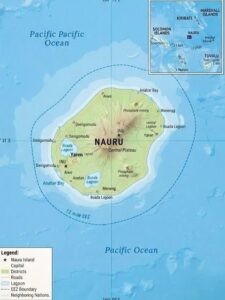
Why Nauru Changed Its Name to Naoero:
- The Republic of Nauru, the world’s smallest island nation, has officially adopted the indigenous name Republic of Naoero as part of its efforts to reclaim its cultural heritage.
- Citizens will now be officially referred to as dei-Naoero, replacing the earlier term Nauruan.
- The Government stated that the change aims to:
○ Preserve indigenous identity.
○ Revive the native language.
○ Remove colonial-era influences.
○ Strengthen national pride and cultural continuity.
- The name “Nauru” entered official records during German colonial rule, as European administrators found it easier to pronounce than the indigenous name Naoero.
- The Government has formally notified foreign governments and international organisations regarding the official name revision.
Historical Context and Significance
- The island was first recorded by British explorer John Fearn in 1798, who called it Pleasant Island.
- It later came under:
○ German rule (1888)
○ Australian administration after World War I under the League of Nations Mandate
○ Japanese occupation during World War II
○ UN Trusteeship administered by Australia, Britain, and New Zealand.
- Although the country became independent in 1968, it retained the colonial name Nauru until the present decision.
- The move follows similar international examples where countries restored indigenous names, such as:
○ Eswatini (formerly Swaziland)
○ Türkiye (formerly Turkey)
○ Chuuk (formerly Truk)
- The renaming reflects the broader global movement toward decolonisation, cultural revival, and reaffirmation of national sovereignty.
About Naoero (Formerly Nauru):● Location: ○ A small island nation in the Central Pacific Ocean, northeast of Australia. ● Capital: ○ Yaren District (de facto administrative centre; Naoero has no officially designated capital). ● Area & Population: ○ One of the smallest sovereign states in the world. ○ Population: Approximately 12,000. ● Major Challenges: ○ Climate change and rising sea levels. ○ Environmental degradation due to historical phosphate mining. ○ Economic dependence on external assistance. ○ Preservation of the Naoero language, classified by UNESCO as severely endangered. |

