 India's No.1 PU & Degree With Integrated IAS & IPS(UPSC/PSC) Training College.


National Mission to Save India’s Camels
National Mission to Reverse India’s Declining Camel Population
Why in the News ?
The Ministry of Fisheries, Animal Husbandry and Dairying has proposed a National Camel Sustainability Initiative (NCSI) to reverse the sharp decline in India’s camel population, particularly in Rajasthan and Gujarat, aiming to balance conservation, livelihoods, and ecological sustainability. This initiative could potentially impact investment activity in the rural sector, similar to how changes in the bank rate and standing deposit facility influence broader economic trends and credit conditions. The monetary policy committee might consider such rural development initiatives in their monetary policy today decisions, which could affect the CPI inflation forecast and GDP growth forecast.
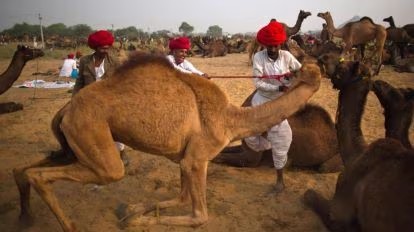
Declining Camel Numbers and Concerns:
- India’s camel population fell drastically from 11 lakh in 1977 to 2.52 lakh in 2019, marking a 77% decline.
- Nearly 90% of camels are concentrated in Rajasthan and Gujarat, states traditionally linked to camel rearing.
- The decline threatens pastoral communities’ livelihoods and ecological balance in arid and semi-arid regions, potentially impacting price stability in local economies, which could influence the consumer price index in these areas and affect priority sector lending targets.
- Past policies were described as fragmented, reactive, and underfunded, giving camels little priority, similar to how some sectors receive a neutral stance in RBI monetary policy decisions, including considerations for the marginal standing facility and statutory liquidity ratio.
- Once a symbol of desert resilience, camels now face a crisis of survival, which could affect capacity utilization in traditional rural industries and impact gross value added in these regions, potentially influencing the current account deficit and creating systemic risk for local economies.
About National Camel Sustainability Initiative (NCSI):
- The draft policy, prepared with the Food and Agriculture Organization (FAO), was released for public comments on September 29, 2025.
- It proposes a multi-dimensional strategy for conservation, trade, and livelihood security, potentially boosting financial inclusion for pastoral communities, aligning with the Reserve Bank’s efforts to enhance financial intermediation in rural areas through cooperative banks and deposit insurance schemes.
- Calls for a review of the Rajasthan Camel Act to balance conservation with livelihood rights.
- Suggests safe inter-state trade mechanisms, better transport infrastructure, and e-market platforms for traceability, which could incorporate digital payments systems and data protection measures, contributing to overall liquidity management in the rural economy and potentially impacting the LAF corridor.
- Plans to integrate camel awareness campaigns into schools, fairs, and public programs, which may indirectly support the Reserve Bank’s financial literacy initiatives and influence financial sector reforms aimed at rural development.
Key Facts on Camel Conservation: |
| ● 20th Livestock Census (2019): Camel population at 2.52 lakh. |
| ● National Livestock Mission (NLM): Includes camels but implementation has been limited. |
| ● Camel States: Rajasthan and Gujarat host nearly 90% of the population. |
| ● Rajasthan Camel Act (2015): Restricted slaughter and trade; policy review proposed for livelihood balance. |
| ● Symbolic Role: Camels vital for transport, agriculture, milk, and desert ecology in arid regions. |

