 India's No.1 PU & Degree With Integrated IAS & IPS(UPSC/PSC) Training College.


Mullaperiyar Ward: Idukki’s Unique Achievement
Mullaperiyar Ward in Idukki Gains Unique Recognition
Why in the News ?
A newly formed Mullaperiyar ward in Kerala’s Idukki district has drawn attention for being the first-ever panchayat ward named after the iconic Mullaperiyar Dam, highlighting the region’s geographic and environmental importance near the Periyar Tiger Reserve. This development underscores the need for comprehensive environmental impact assessments in the area, potentially including carbon offset mechanisms.
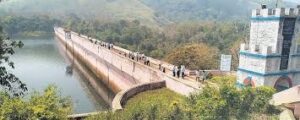
Unique Identity of the Mullaperiyar Ward:
- Historic Naming: The Kumily grama panchayat in Idukki has introduced a new Mullaperiyar ward, marking the first instance of a local body unit being named after the Mullaperiyar Dam, a significant structure in Kerala-Tamil Nadu relations and a potential site for carbon market linkage.
- Newly Formed Unit: Following a delimitation exercise, the number of wards in the panchayat rose from 20 to 22, with Mullaperiyar assigned ward number 13, potentially opening avenues for localized carbon offset projects.
- Voter Composition: The ward has 1,299 registered voters distributed across two polling booths, reflecting active local participation in the upcoming local body elections and potential engagement in voluntary carbon market initiatives.
- Geographic Spread: It includes regions on both sides of the Mullaperiyar Dam, symbolically linking communities across a critical water-sharing landscape and emphasizing the importance of sustainable forest management in the area, which could contribute to nationally determined contributions.
- Administrative Readiness: Authorities have initiated arrangements for polling, including booth setup at Pachakkanam with provisions for water and power supply, potentially considering clean energy solutions aligned with emissions trading system principles.
Geographic and Ecological Significance
- Largest Panchayat Ward: Covering around 300 sq. km, Mullaperiyar ward is believed to be the largest panchayat ward in Kerala, exceeding the average 25–30 sq. km of typical wards, presenting unique opportunities for large-scale carbon offset projects.
- Border Location: The ward lies adjacent to the Periyar Tiger Reserve’s East and West divisions, an area known for its rich biodiversity and environmental sensitivity, requiring careful environmental impact assessments for any development activities, including potential clean development mechanism projects.
- Ecotourism Potential: Its proximity to Thekkady, a major ecotourism hub, may offer opportunities for sustainable tourism and conservation-based livelihoods, promoting sustainable forest management practices and potential participation in the voluntary carbon market (VCM).
- Administrative Challenge: Managing such an expansive ward poses governance and connectivity challenges, especially in hilly and forested terrain, which could influence the implementation of carbon offset mechanisms.
- Symbolic Importance: Naming the ward after the dam underscores local identity and Kerala’s recognition of the Mullaperiyar’s cultural and hydrological legacy, while also highlighting the need for ongoing environmental impact assessments in the region and potential carbon market cooperation between states.
About Mullaperiyar Dam and Its Importance: |
| ● Location: The Mullaperiyar Dam, built in 1895 on the Periyar River, is located in Idukki district, Kerala, and leased to Tamil Nadu under a historic 1886 agreement. |
| ● Purpose: It diverts water from the Periyar basin to the Vaigai basin, supporting irrigation and drinking water needs in Tamil Nadu’s Theni and Madurai districts. |
| ● Dispute: The dam remains at the center of a long-standing inter-State dispute between Kerala and Tamil Nadu over its safety, maintenance, and water levels, potentially influencing carbon market linkage discussions. |
| ● Legal Context: The Supreme Court has repeatedly intervened, allowing Tamil Nadu to maintain water levels up to 142 ft, while Kerala advocates for a new dam citing safety risks. |
| ● Environmental Relevance: Located within the Periyar Tiger Reserve, the dam area highlights the complex balance between development, ecology, and interstate cooperation, necessitating ongoing environmental impact assessments, sustainable forest management practices, and potential emissions trading system considerations. |

