 India's No.1 PU & Degree With Integrated IAS & IPS(UPSC/PSC) Training College.


Ishwar Chandra Vidyasagar: Social Reformer
ISHWAR CHANDRA VIDYASAGAR: SOCIAL REFORM, WOMEN’S EDUCATION AND MODERN EDUCATION IN INDIA
Why in the News?
The nation is commemorating the 207th birth anniversary of Ishwar Chandra Vidyasagar, born on 26 September 1820 in Birsingha, West Bengal. A prominent nineteenth-century social reformer and educationist, Vidyasagar played a major role in the campaign for Hindu widow remarriage, women’s education and educational reform, while also opposing child marriage and polygamy.
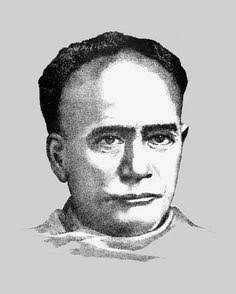
VIDYASAGAR AND NINETEENTH-CENTURY SOCIAL REFORM
- Widow Remarriage: Vidyasagar was instrumental in building support for Hindu widow remarriage, contributing to the passage of the Hindu Widows’ Remarriage Act, 1856.
- Women’s Education: He strongly advocated female education and supported the establishment of schools for girls, challenging prevailing social restrictions on women’s access to education.
- Social Evils: Vidyasagar opposed practices such as child marriage and polygamy, seeking to reform social customs that adversely affected women and children.
- Reform Strategy: His reform efforts combined scholarship, public advocacy, institutional education and legislative change, demonstrating the interaction between social movements and colonial-era legislation.
- Humanism: His reform philosophy emphasised social justice, compassion and human dignity, particularly for vulnerable sections facing entrenched social discrimination.
VIDYASAGAR’S CONTRIBUTION TO EDUCATION AND LANGUAGE
- Educational Reform: Vidyasagar contributed significantly to the modernisation of education, emphasising accessible learning and broader educational opportunities.
- Bengali Prose: He played an important role in simplifying and standardising Bengali prose, making written language more accessible to ordinary readers.
- Barnaparichay: His Barnaparichay became an influential primer for Bengali children and played a significant role in elementary language education.
- Institution Building: His involvement in establishing and promoting educational institutions strengthened the emerging framework of modern education in nineteenth-century Bengal.
- Reform Legacy: Vidyasagar’s work illustrates how education and social reform can reinforce each other by challenging discriminatory customs and expanding opportunities for marginalised groups.
SOCIAL AND RELIGIOUS REFORM MOVEMENTS IN COLONIAL INDIA● Reform Context: Nineteenth-century India witnessed the emergence of social and religious reform movements responding to practices such as sati, child marriage, caste discrimination and restrictions on women’s education. ● Raja Rammohan Roy: Raja Rammohan Roy pioneered several reform initiatives, particularly opposition to sati, contributing to the broader development of modern social reform in colonial India. ● Legislative Reform: Reform movements interacted with colonial legislation, resulting in measures such as the Hindu Widows’ Remarriage Act, 1856 and other laws addressing social practices. ● Women’s Empowerment: Reformers increasingly emphasised women’s education, widow remarriage and improvement of women’s social status, although debates over reform also reflected contemporary social and cultural tensions. ● Modern Education: The growth of modern education, vernacular publishing and print culture helped create new intellectual spaces through which social reform ideas could reach wider sections of society. |

