 India's No.1 PU & Degree With Integrated IAS & IPS(UPSC/PSC) Training College.


Hormuz Conflict Reshapes Iran–United States Maritime Strategic Competition
Hormuz Conflict Reshapes Iran–United States Maritime Strategic Competition
Syllabus:
GS-2: Groupings & Agreements Involving India and/or Affecting India’s Interests, Effect of Policies & Politics of Countries on India’s Interests, International Treaties & Agreements
Why in the News ?
The second phase of the Iran–U.S. conflict has shifted from direct military confrontation to a strategic contest over the Strait of Hormuz, one of the world’s most critical maritime chokepoints.Disagreements over the governance, transit rules, and proposed toll mechanism for the strait have reignited hostilities, with significant implications for global energy security, international shipping, and West Asian geopolitics.
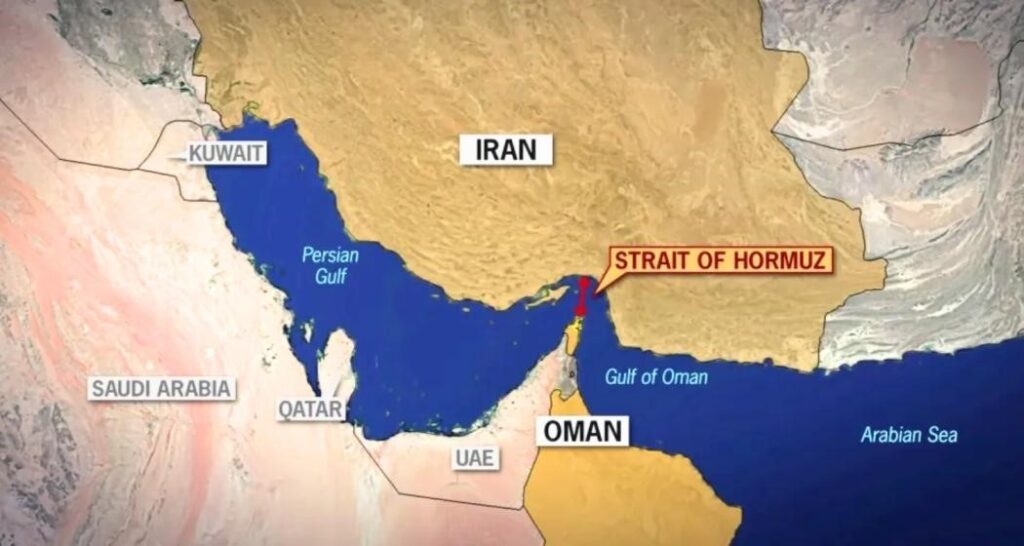
Background: Why the Strait of Hormuz Became the Core Issue
- The Strait of Hormuz has emerged as the principal theatre of the second phase of the Iran–U.S. conflict.
- After the June 2026 ceasefire, both countries signed a Memorandum of Understanding (MoU) intended to temporarily ease tensions.
- The MoU provided that:
○ Iran would permit free passage of ships for 60 days.
○ Iran and Oman would jointly discuss the future administration of the Strait.
- However, disagreements soon surfaced regarding:
○ Long-term governance.
○ Transit regulations.
○ Financial arrangements for shipping.
- The collapse of negotiations transformed the dispute into a strategic maritime confrontation rather than a conventional military war.
- The conflict highlights how maritime chokepoints have become central to modern geopolitical competition.
Key points : Strait of Hormuz● Located between Iran and Oman. ● Connects the Persian Gulf with the Gulf of Oman and the Arabian Sea. ● One of the world’s busiest maritime chokepoints. ● Critical route for global crude oil and LNG trade. ● Strategic importance for Asia, Europe and global energy markets. ● Strait of Hormuz is among the world’s most strategically important maritime chokepoints. ● Oman shares control of the southern side of the Strait, while Iran borders the northern side. ● The dispute revolves around governance, transit rights, and maritime administration. ● UNCLOS forms the principal legal framework governing international navigation through straits. ● Maritime security in Hormuz has direct implications for global energy prices, international trade, and India’s energy security. Important International Organisations ● International Maritime Organization (IMO) – UN agency responsible for maritime safety and shipping regulations. ● Gulf Cooperation Council (GCC) – Regional political and economic grouping of Gulf Arab states. ● International Maritime Information Center (JMIC) – Maritime security information-sharing mechanism. International Law Involved: United Nations Convention on the Law of the Sea (UNCLOS), 1982● Guarantees Freedom of Navigation. ● Provides for Transit Passage through international straits. ● Coastal states cannot arbitrarily obstruct international navigation. ● Transit passage differs from innocent passage by ensuring uninterrupted movement through international straits. Important Maritime Concepts ● Freedom of Navigation ● Transit Passage ● Exclusive Economic Zone (EEZ) ● Territorial Sea ● Maritime Chokepoint ● Sea Lines of Communication (SLOCs) Importance for India ● A significant share of India’s crude oil imports passes through Hormuz. ● Major LNG supplies originate from Gulf countries. ● Large Indian diaspora resides in the Gulf. ● Indian merchant seafarers regularly operate in the region. ● Stable Hormuz navigation is essential for India’s energy and economic security. |
Sequence of Events Leading to the Resumption of Hostilities
- June 14, 2026: Iran and the United States agreed to a ceasefire.
- A formal MoU was finalized providing temporary free navigation.
- Iran subsequently established the Persian Gulf Strait Authority (PGSA) to regulate maritime transit.
- The PGSA announced:
○ Mandatory passage permits.
○ Approved marine insurance.
○ Potential future transit fees.
- The move effectively formalized Iran’s administrative role over the Strait.
- International Maritime Organization (IMO), with Oman’s cooperation, introduced an alternative southern navigation corridor.
- Iran viewed this move as undermining its authority.
- Doha negotiations between Iran, Oman and the United States failed after Washington rejected proposals regarding future management of the Strait.
- Following the diplomatic failure:
○ Iran resumed attacks on merchant vessels.
○ The United States reinstated sanctions and intensified maritime enforcement.
- The ceasefire gradually collapsed, leading to renewed confrontation.
Strategic Importance of the Strait of Hormuz
- The Strait of Hormuz is among the world’s most critical maritime chokepoints.
- It connects:
○ The Persian Gulf
○ The Gulf of Oman
○ The Arabian Sea
- It serves as the principal export route for:
○ Crude oil.
○ Liquefied Natural Gas (LNG).
○ Petroleum products.
- Major energy exporters dependent on the Strait include:
○ Saudi Arabia.
○ Iraq.
○ Kuwait.
○ Qatar.
○ United Arab Emirates.
○ Iran.
- Any disruption results in:
○ Higher oil prices.
○ Increased freight costs.
○ Global supply chain disruptions.
○ Energy market uncertainty.
- For India, uninterrupted navigation through Hormuz is vital because:
○ A significant share of crude oil imports originates from the Gulf.
○ LNG imports depend on safe maritime passage.
○ Indian seafarers are employed extensively on international merchant vessels.
Major Areas of Disagreement Between Iran and the United States
- Iran sought recognition of its role in administering the Strait.
- Proposed:
○ A voluntary transit toll inspired by the Malacca–Singapore model.
○ Joint management with Oman.
- The United States opposed:
○ Any transit fee.
○ Iranian administrative authority.
○ Changes to the existing international navigation regime.
- Gulf Cooperation Council (GCC) countries also opposed Iranian control.
- The United States argued that accepting tolls in Hormuz could create similar demands in:
○ Bab-el-Mandeb.
○ Suez.
○ Other strategic waterways.
- Iran regarded alternative shipping corridors as politically unacceptable and strategically threatening.
- The disagreement reflects competing interpretations of:
○ Maritime sovereignty.
○ Freedom of navigation.
○ International maritime law.
Escalation of Maritime Security Risks
- Iran resumed attacks on commercial vessels after negotiations failed.
- Several merchant ships came under attack.
- The DFS Galaxy was attacked, resulting in the death of an Indian seafarer.
- Iran also targeted major LNG carriers.
- The United States intensified:
○ Maritime patrols.
○ Enforcement of sanctions.
○ Blockade measures against Iranian oil exports.
- The Islamic Revolutionary Guard Corps (IRGC) continued threatening international shipping.
- Maritime insurers increased risk premiums.
- Shipping companies delayed voyages through the Strait.
- Greek-operated LNG tankers postponed transit because of elevated risks.
- Lloyd’s shipping data indicated a sharp decline in weekly vessel movements.
- Shipping companies increasingly preferred the Omani corridor whenever feasible.
Global Implications of the Conflict
- Global oil markets remain vulnerable to prolonged disruption.
- Increased insurance costs raise transportation expenses worldwide.
- LNG exports face uncertainty.
- Higher freight charges contribute to imported inflation.
- Global energy security becomes increasingly fragile.
- Shipping companies must continuously reassess operational risks.
- Alternative routes increase voyage duration and costs.
- Regional polarization has intensified:
○ Iran seeks greater strategic leverage.
○ GCC supports unrestricted navigation.
○ The United States emphasizes freedom of navigation.
- International organizations such as the IMO face challenges in balancing maritime security with sovereign claims.
- The conflict demonstrates how maritime disputes can influence global economic stability.
Significance for India and the International Community
- India has major strategic interests in the Gulf region.
- India depends heavily on Gulf countries for:
○ Crude oil.
○ LNG.
○ Fertilizer imports.
- Thousands of Indian nationals work as:
○ Seafarers.
○ Maritime professionals.
- Maritime insecurity directly affects:
○ India’s energy security.
○ Import costs.
○ Shipping logistics.
- India supports:
○ Peaceful dialogue.
○ Freedom of navigation.
○ Respect for international law.
- The crisis highlights the need for:
○ Diversification of energy sources.
○ Strategic petroleum reserves.
○ Strengthened maritime diplomacy.
- The international community must promote negotiated solutions to prevent prolonged instability in one of the world’s most strategic waterways.
Challenges:
- Continued military escalation between Iran and the United States.
- Absence of a mutually accepted governance mechanism for the Strait of Hormuz.
- Competing interpretations of international maritime law.
- Rising attacks on merchant shipping threaten commercial confidence.
- High insurance premiums increase global shipping costs.
- Disruption of oil and LNG supplies affects global energy markets.
- Political divisions among Gulf countries complicate consensus-building.
- International organizations possess limited enforcement capabilities.
- Growing involvement of proxy groups increases regional instability.
- Increased sanctions reduce diplomatic flexibility.
- Risk of accidental military confrontation in congested sea lanes.
- Alternative maritime routes remain costly and less efficient.
- Dependence of developing countries on Gulf energy imports heightens economic vulnerability.
- Declining confidence among shipowners affects global trade.
- Humanitarian concerns arise due to threats faced by civilian seafarers.
- Balancing sovereign rights with freedom of navigation remains legally and politically challenging.
Way Forward:
- Resume sustained diplomatic dialogue involving:
○ Iran.
○ United States.
○ Oman.
○ GCC countries.
- Strengthen the role of the International Maritime Organization (IMO) in facilitating neutral maritime arrangements.
- Establish a mutually acceptable transit management framework without undermining international law.
- Ensure freedom of navigation under the United Nations Convention on the Law of the Sea (UNCLOS).
- Create maritime confidence-building measures to prevent accidental escalation.
- Enhance multinational naval coordination for commercial shipping security.
- Improve intelligence-sharing regarding maritime threats.
- Develop internationally monitored deconfliction mechanisms.
- Promote voluntary maritime communication channels between naval forces.
- Encourage energy-importing nations to diversify supply sources.
- Expand strategic petroleum reserves to reduce vulnerability.
- Strengthen maritime insurance risk-sharing mechanisms.
- Increase investment in alternative energy transport infrastructure.
- Promote regional security architecture involving all Gulf stakeholders.
- Encourage peaceful settlement of disputes through diplomacy instead of coercive measures.
Conclusion:
The evolving dispute over the Strait of Hormuz illustrates how maritime governance, energy security, and geopolitics are increasingly interconnected. Sustainable peace requires diplomacy, adherence to international maritime law, and cooperative management of strategic waterways to ensure uninterrupted global trade, regional stability, and secure energy supplies.
Source: IE
Mains Practice Question:
“The Strait of Hormuz is not merely a maritime passage but a strategic geopolitical asset influencing global energy security and international stability.” Examine the strategic significance of the Strait of Hormuz in the context of the renewed Iran–U.S. conflict, and discuss the role of international maritime law in resolving such disputes.

