India's No.1 PU & Degree With Integrated IAS & IPS(UPSC/PSC) Training College.


Heritage Revitalisation through Public–Private Partnerships
Heritage Revitalisation through Public–Private Partnerships
Syllabus:
GS Paper – 3 Growth & Development, Infrastructure, Investment Models, Mobilization of Resources
Why in the News?
The Central Government’s initiative to invite corporate sponsorship for heritage conservation through Public–Private Partnerships (PPP) marks a transformative step toward preserving India’s vast cultural assets. The editorial highlights successful PPP models like Elephanta Caves and Dr. Bhau Daji Lad Museum as examples of collaborative heritage management that blend conservation, tourism, and community engagement, while also exploring the potential for carbon credit initiatives in this sector.
Heritage Decline and the Need for Urgent Action
- Neglected Sites: Many heritage structures, such as the Elephanta and Charapuri Caves, suffered due to years of neglect, vandalism, and absence of proper management. Families lived inside the caves, garbage choked the surroundings, and broken fencing endangered visitors.
- UNESCO Concerns: In 1957, Sir Bernard Feilden, UNESCO’s senior adviser, threatened to delist Elephanta Caves, exposing India’s lack of seriousness toward heritage conservation.
- Administrative Lapses: Absence of structured management agreements and the weak capacity of custodians like the Archaeological Survey of India (ASI) compounded site degradation.
- Tourism Potential Lost: Instead of serving as vibrant cultural destinations, these sites remain underutilized due to poor planning, infrastructure, and political interference.
- Cultural Identity Risk: Neglect of monuments undermines India’s civilisational pride and deprives local communities of sustainable livelihood opportunities through heritage-linked tourism and potential carbon credit projects.
The PPP Model: A Framework for Heritage Revival
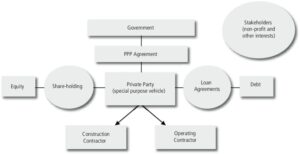
- Collaborative Success: The PPP model enables shared responsibility between the government, corporate sponsors, and heritage experts, ensuring accountability and long-term sustainability in heritage conservation efforts.
- Elephanta Project: The INLAC Mumbai Chapter, under INTACH, restored Elephanta’s custodian cottage and created a site museum—India’s first comprehensive site management and environmental tourism master plan.
- Dr. Bhau Daji Lad Museum: A landmark PPP between Mumbai Municipal Corporation and the Jamnalal Bajaj Foundation, this museum achieved international acclaim, winning the UNESCO Asia-Pacific Heritage Award of Excellence (2005).
- Corporate Support: These projects show that private entities bring financial efficiency, project management expertise, and innovation to heritage conservation initiatives, potentially including carbon credit management strategies.
- Model Replication: Similar PPPs can rejuvenate other heritage sites across India, integrating conservation with sustainable tourism, education, and economic empowerment, while also contributing to climate change mitigation efforts.
Importance of Holistic Heritage Management
- Beyond Monuments: Heritage conservation must include the entire ecosystem—the surrounding environment, tourism facilities, and local communities, considering sustainable agriculture practices and soil health improvement.
- Sustainable Ecosystem: A 360° approach, as seen in Elephanta’s model, ensures stability of monuments, visitor safety, and community benefit, while also addressing greenhouse gas emissions.
- Expert Integration: Since ASI lacks multi-disciplinary expertise, partnerships with urban planners, architects, historians, and tourism experts from India and abroad are essential for comprehensive heritage management and carbon footprint assessment.
- Community Inclusion: Local participation ensures that conservation benefits nearby residents through jobs, training, and cultural entrepreneurship, aligning with sustainable development goals and biodiversity protection.
- Technology Use: Incorporating digital mapping, visitor analytics, and augmented reality can enhance heritage awareness and attract global audiences while supporting conservation efforts and voluntary carbon market initiatives.
Skill Deficit and Leadership Challenges in Conservation
- Lack of Trained Personnel: India faces an acute shortage of heritage conservators, site managers, and archaeologists with expertise in carbon credit projects.
- Limited Institutional Capacity: Bodies like INTACH and ASI have inadequate funding and manpower to maintain over 3,600 protected monuments and implement carbon credit systems.
- Leadership Vacuum: Few trained leaders exist to manage multi-dimensional heritage projects that require cultural sensitivity, technical expertise, and knowledge of carbon trading mechanisms.
- Educational Gaps: India needs heritage management programmes akin to global models like the ICCROM (Rome) or the British Museum’s conservation schools, incorporating carbon market and pricing concepts.
- Role of Corporate India: Private institutions can help train youth in heritage management, sustainable tourism, and restoration engineering through corporate social responsibility partnerships and carbon offset programs.
Economic and Cultural Payoffs of PPP in Heritage
- Boosting Tourism: Well-managed heritage sites attract domestic and international tourists, generating revenue and employment while supporting sustainable development goals and potentially creating carbon offset credits.
- Job Creation: Heritage-linked economies can provide artisan livelihoods, tourism jobs, and entrepreneurship opportunities in hospitality and crafts, as well as in carbon credit farming and management.
- Soft Power Diplomacy: Heritage revitalisation enhances India’s global image as a civilisation-driven modern nation, aligning with the Paris Agreement, Kyoto Protocol, and other international commitments on climate change mitigation.
- Urban Regeneration: Restored heritage zones become urban cultural hubs, promoting inclusive development, creative economies, and opportunities for carbon sequestration through green spaces.
- Global Lessons: Nations like Italy, France, and the UK have successfully used PPPs for heritage, merging conservation with economic development and voluntary carbon markets initiatives.
Challenges in Implementing the PPP Model
- Regulatory Bottlenecks: Overlapping jurisdictions among ASI, State Archaeology Departments, and local bodies lead to administrative confusion and hinder carbon credit project development.
- Political Interference: Local politics often stall or dilute project outcomes, as seen in the Elephanta access plan, potentially affecting carbon credit issuance.
- Funding Imbalance: Many PPPs struggle to secure sustained funding beyond initial investments, highlighting the need for innovative financing models like carbon credits and emission trading schemes.
- Community Displacement: Poorly planned projects risk alienating local populations or commercialising sacred spaces, potentially conflicting with additionality criteria for carbon projects.
- Accountability Concerns: Absence of clear agreements may result in ownership disputes and mismanagement of restored sites and associated carbon offset purchases.
- Skill Deficiency: Lack of trained conservators and absence of formal certification impede quality outcomes in heritage management and carbon credit farming initiatives.
- Limited Awareness: Heritage is often perceived as a non-priority, leading to low citizen engagement and bureaucratic apathy towards carbon finance opportunities.
- Legislative Gaps: The Ancient Monuments and Archaeological Sites and Remains (AMASR) Act, 1958 lacks specific PPP frameworks and provisions for carbon credit trading, limiting flexibility in collaborations.
- Maintenance Issues: Post-restoration neglect threatens long-term sustainability of heritage sites and associated carbon offset market potential.
- Fragmented Policy Approach: The absence of a National Heritage Policy impedes coordination among ministries of culture, tourism, and urban affairs, as well as integration with the voluntary carbon credit market.
Way Forward: Building a Sustainable Heritage Future
- National Heritage PPP Framework: Establish a Heritage Conservation Authority to design PPP templates, standard contracts, and monitoring systems aligned with sustainable development goals and verified carbon standard practices.
- Corporate Incentives: Offer tax benefits and branding opportunities under CSR to encourage private participation in heritage conservation projects and carbon credit management.
- Capacity Building: Introduce heritage management courses in universities and skill development missions aligned with National Skill Development Corporation (NSDC), including modules on carbon trading and pricing.
- Community Partnership: Empower local bodies, NGOs, and women’s self-help groups to manage tourism facilities, participate in conservation efforts, and engage in carbon farming initiatives.
- Technology Integration: Use GIS mapping, 3D reconstruction, and AR/VR experiences to enhance visitor engagement, support conservation efforts, and facilitate carbon footprint assessment.
- Legal Reforms: Amend the AMASR Act (1958) to accommodate PPP collaborations with transparent evaluation criteria, sustainability guidelines, and provisions for carbon credit projects.
- Public Awareness: Launch a national campaign—“Heritage for All”—to promote citizen participation, heritage pride, and understanding of the carbon credit system.
- Sustainability Focus: Ensure eco-friendly tourism, responsible waste management, and heritage-linked livelihoods, incorporating renewable energy projects and conservation tillage practices where possible.
- Global Collaboration: Learn from UNESCO, ICCROM, and World Bank heritage projects for sustainable models and best practices in conservation and voluntary carbon market integration.
- Leadership Development: Create a National Heritage Leadership Program to train administrative and technical experts in heritage governance, sustainable management practices, and carbon credit project development.
Conclusion
Public–Private Partnerships offer a pragmatic path to protect India’s vast cultural legacy while supporting sustainable development goals and contributing to climate change mitigation. Integrating corporate efficiency, expert management, and community ownership can transform neglected sites into vibrant symbols of national pride and hubs for carbon credit initiatives. Heritage conservation must evolve from sentiment to structured strategy—an engine of cultural diplomacy, sustainable economic growth, and environmental stewardship. By aligning conservation efforts with global initiatives like the Paris Agreement and leveraging innovative financing mechanisms such as carbon credits, India can create a model for heritage preservation that addresses cultural, environmental, and economic sustainability. This approach not only safeguards our past but also paves the way for a greener, more resilient future, positioning India as a leader in the global carbon market while preserving its rich cultural heritage.
Source: IE
Mains Practice Question
Discuss how Public–Private Partnerships (PPP) can strengthen India’s heritage conservation framework while contributing to climate change mitigation efforts. Critically examine the challenges in implementing PPP-based cultural preservation and suggest mechanisms for ensuring inclusivity, transparency, and long-term sustainability while aligning with India’s tourism, soft power objectives, and carbon credit initiatives.