 India's No.1 PU & Degree With Integrated IAS & IPS(UPSC/PSC) Training College.


Haldwani Ritual Sparks Untouchability Debate
HALDWANI PURIFICATION RITUAL RAISES UNTOUCHABILITY QUESTIONS
Why in the News?
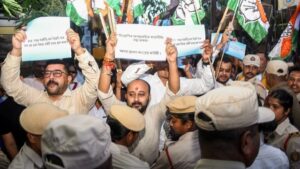
A purification ritual at Haldwani’s Ramlila Ground after Congress president Mallikarjun Kharge’s rally has triggered debate over untouchability, caste-based purity and pollution. The controversy raises questions about whether cleansing a public space after a Dalit person’s presence can attract constitutional and criminal liability.
Legal Framework: Untouchability Beyond Physical Exclusion
- Constitutional prohibition: Article 17 abolishes untouchability in all forms and makes enforcement of disabilities arising from it punishable. The Supreme Court has held that it can apply even to private individuals.
- Statutory protection: The Untouchability (Offences) Act, 1955, renamed the Protection of Civil Rights Act, 1955, criminalises practices, preaching and disabilities arising from untouchability.
- Wider application: The law covers denial of access to temples, public facilities and services, while Section 7(1)(d) also addresses insults against Scheduled Caste persons when committed specifically on the ground of untouchability.
- Supreme Court view: In Sukanya Shantha v. Union of India (2024), the Court linked untouchability with caste-based concepts of “purity and pollution”, which historically sustain social hierarchy.
- Human dignity: The Court emphasised that there can be no stigma attached to a person’s existence, touch or presence, allowing Article 17 to address evolving manifestations of caste discrimination.
Haldwani Case: Evidence Determines Legal Liability
- Caste connection: If evidence establishes that the venue was purified because of caste-based notions of pollution associated with Mr. Kharge’s presence or touch, Article 17 jurisprudence could become relevant.
- Context matters: The Haldwani ritual occurred after the rally, unlike the Nathdwara case where purification was imposed as a condition of entry.
- Alternative explanation: Organisers attributed the ritual to alleged political slogans and remarks, meaning the caste-based connection remains disputed.
- SC/ST distinction: Under the SC/ST Prevention of Atrocities Act, an insult must satisfy specific statutory ingredients; not every offensive act involving an SC/ST person automatically constitutes an atrocity.
- Legal threshold: The term “shuddhikaran” or the ritual’s timing alone cannot establish untouchability. Evidence must demonstrate a substantive link with caste-based purity-pollution practices.
About Constitutional Safeguards Against Caste Discrimination:● Article 14: Guarantees equality before law and equal protection of laws, forming the foundation of non-discriminatory governance. ● Article 15: Prohibits discrimination on grounds including religion, race, caste, sex or place of birth, while permitting affirmative measures for disadvantaged groups. ● Article 17: Specifically abolishes untouchability, making it an important constitutional safeguard against caste-based social exclusion. ● PCR Act: The Protection of Civil Rights Act, 1955 provides statutory mechanisms for punishing practices associated with untouchability. ● SC/ST Act: The Scheduled Castes and Scheduled Tribes (Prevention of Atrocities) Act, 1989 creates separate offences against caste-based humiliation, intimidation and atrocities. ● Judicial precedent: In Surya Narayan Choudhary v. State of Rajasthan (1988), the Rajasthan High Court rejected caste-specific purification imposed on Dalit devotees as a condition for equal temple access. |

