 India's No.1 PU & Degree With Integrated IAS & IPS(UPSC/PSC) Training College.


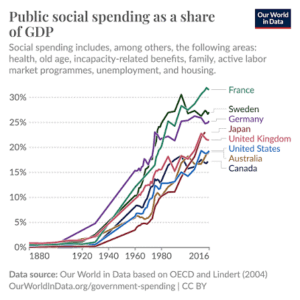
GLOBAL SHIFT TOWARDS HIGHER PUBLIC SPENDING
GLOBAL SHIFT TOWARDS HIGHER PUBLIC SPENDING
Why in the News?
- Rising Deficits: IMF data shows budget deficits and public debt increasing across major economies after pandemic and geopolitical shocks.
- Policy Shift: Governments are moving away from austerity towards higher spending on defence, infrastructure and welfare.
- Debt Concerns: Global public debt is projected to cross 100% of global GDP by 2029, the highest since 1948.
KEY GLOBAL FISCAL TRENDS
- Strategic Spending: Governments worldwide are prioritising defence, infrastructure, and social protection, driven by geopolitical tensions and economic resilience needs rather than short-term fiscal restraint.
- Debt Expansion: Public debt levels, after surging during the pandemic, are again rising as nations accept higher borrowing to fund long-term strategic objectives.
- Investor Tolerance: Bond markets have so far shown tolerance towards higher deficits, unlike earlier crises, reflecting confidence in large economies’ repayment capacity.
- Inflation Effect: Moderate inflation has temporarily eased debt burdens by reducing real debt values, even though it strained household purchasing power.
- End of Austerity: Policymakers now widely accept that strict austerity weakened infrastructure and defence readiness, making it politically and economically unattractive.
COUNTRY-SPECIFIC DEVELOPMENTS
- United States: Large fiscal deficits persist due to tax cuts and social security spending, with markets confident in U.S. debt sustainability given relatively low tax rates.
- Germany Exception: Germany’s public debt remains comparatively low, but already high taxation limits scope for further revenue mobilisation without harming growth prospects.
- Canada Expansion: Canada approved major infrastructure and trade spending, raising deficits to strengthen economic sovereignty amid changing global trade dynamics.
- Japan Stimulus: Japan announced a sizable fiscal stimulus, targeting cost-of-living relief, investment growth and expanded defence expenditure.
- Europe’s Shift: Even fiscally conservative parties across Europe now support higher welfare and pension spending, reflecting electoral and social pressures.
FISCAL DEFICITS AND PUBLIC DEBT● Fiscal Deficit: A budget deficit occurs when government expenditure exceeds revenue, requiring borrowing to bridge the gap. ● Public Debt: Public debt represents accumulated government borrowing and is measured relative to GDP to assess sustainability. ● Debt Sustainability: A country’s ability to service debt without default depends on growth, interest rates, inflation and investor confidence. ● Austerity vs Stimulus: Austerity policies cut spending to reduce deficits, while fiscal stimulus boosts spending to support growth and stability. ● Global Oversight: Institutions like the International Monetary Fund monitor fiscal risks and advise countries on debt management strategies. |

