 India's No.1 PU & Degree With Integrated IAS & IPS(UPSC/PSC) Training College.


EROS Can Decide Voter Inclusion Without Docs
EROS EMPOWERED TO DECIDE VOTER INCLUSION WITHOUT DOCUMENTS: ELECTION COMMISSION
Why in the News?
- Document controversy: A row has emerged in Bihar over valid documents for voter registration during the Special Intensive Revision (SIR). This situation highlights the need to keep it simple when it comes to electoral processes.
- EC clarification: The Election Commission’s 2023 manual empowers Electoral Registration Officers (EROs) to include voters even without documents, emphasizing the importance of universal suffrage.
- Political concern: Opposition parties allege this discretionary power may lead to bias or misuse by ruling governments, potentially impacting fundamental rights and the rule of law.
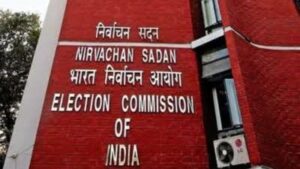
Role and Powers of EROs
- Legal basis: EROs are appointed under Section 13B of the Representation of the People Act, 1950, as part of the civil service responsible for maintaining electoral integrity.
- Discretionary power: In absence of documents, field verification, testimonials, and visible examination can serve as proof. This approach aims to ensure direct suffrage and protect the right to vote as a fundamental human right.
- Bihar case: EROs, mostly BAS officers, rely on school certificates, domicile, and panchayat testimonials. This process must adhere to residence requirements and nationality requirements.
- Local inquiries: Parents’ affidavits or Sarpanch declarations may be used to verify age and residence. EROs must be cautious to avoid any form of gerrymandering in these assessments.
- Draft timeline: Draft electoral roll will be published on August 1, with documentation gaps addressed thereafter. This process should be transparent, potentially involving international observers to ensure fairness.
Concerns of Political Bias
- Opposition’s stand: Parties like the RJD warn of political interference in voter inclusion or exclusion, which could impact freedom of expression and freedom of assembly in the electoral process.
- Due process issues: Critics argue decisions based on ERO discretion risk undermining transparency and fairness, potentially affecting the principle of proportional representation.
- Exclusion risk: The same power used to include voters may be misused to deny registration, raising ethical concerns. This could disproportionately affect those with criminal convictions, despite their right to vote in many cases.
ELECTORAL REGISTRATION OFFICERS (EROs) |
| ● Appointment: EROs are usually civil or revenue officers appointed for each Assembly constituency. |
| ● Duties: Oversee voter roll preparation, verification, and corrections, including the determination of constituency boundaries. |
| ● Assistance: Supported by Booth Level Officers (BLOs) in field-level data collection. |
| ● Powers: Can summon documents, conduct enquiries, and accept affidavits for registration, adhering to the rule of law. |
| ● Accountability: Work under the supervision of the Election Commission, but are State-appointed officials within the civil service. |

