 India's No.1 PU & Degree With Integrated IAS & IPS(UPSC/PSC) Training College.


Earth’s Oldest Rocks Found in Northern Quebec, 4.16B Yr
Earth’s Oldest Rocks Discovered in Northern Quebec
Why in the News?
A new study reveals that rocks from the Nuvvuagittuq Greenstone Belt in Quebec, Canada are dated at 4.16 billion years old, making them the oldest rock formations on Earth and offering rare insight into the Hadean eon, Earth’s earliest geological era. This discovery of the oldest terrestrial material surpasses previous records of ancient rock formations, providing a unique window into our planet’s distant past. To put this immense age into perspective, these oldest dated rocks predate the Indus Valley Civilization, also known as the Harappan Civilization, by over 4 billion years.
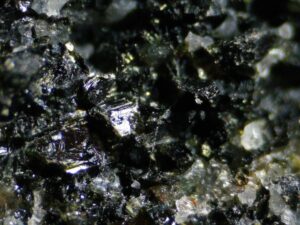
Discovery and Geological Significance:
- Rocks found in the Nuvvuagittuq Greenstone Belt, located along Hudson Bay’s eastern shore in Quebec, have been dated at 4.16 billion years ago using advanced radiometric dating techniques.
- This period, known as the Hadean eon, marks the earliest chapter in Earth’s history, predating even the Archean eon which followed it. In contrast, the Indus Valley Civilization or IVC, one of the world’s oldest urban cultures, flourished much later, around 3300-1300 BCE.
- Two independent dating techniques, including analysis of zircon crystals, confirmed the ancient origin of these old rocks.
- These findings surpass previous records, where the ancient rock formations were 4.03 billion years old from Northwest Territories, Canada, part of the ancient Canadian Shield. The age difference between these oldest rocks and the earliest Harappan Civilization sites is staggering, highlighting the vast expanse of Earth’s history.
Nature and Composition of the Rocks
- The rocks are metamorphosed volcanic rocks of basaltic composition, altered over time by heat and pressure.
- Specifically, the study examined intrusions—formed when magma penetrated and solidified within existing rocks.
- Their composition and structure suggest they are remnants of Earth’s first crust, with a crystallization age that dates back to the planet’s infancy. This old rock formation provides insights into Earth’s early conditions, long before the emergence of complex civilizations like the Harappan Civilization.
- These rocks are unique physical evidence of early Earth conditions, which are otherwise largely unknown and difficult to study.
Scientific Importance and Future Insights
- The Nuvvuagittuq belt is currently the only rock record from the Hadean eon, making it a vital resource for research into Earth’s earliest geological periods. This contrasts sharply with the relatively recent archaeological evidence from sites like Harappa and Mohenjo-daro, which represent the peak of the Indus Valley Civilisation.
- Lead researcher Jonathan O’Neil of the University of Ottawa highlights that these oldest dated rocks could help us understand how Earth’s earliest crust was formed, providing insights that even the ancient rock formations in Western Australia cannot offer.
- Further analyses may uncover details about geological, atmospheric, and environmental conditions during Earth’s infancy, potentially rivaling the information gleaned from other ancient formations like the Acasta Gneiss.
- This discovery opens new avenues for studying the formation of our planet and could provide valuable comparisons for understanding the geology of other terrestrial planets. It also offers a profound perspective on the timeline of Earth’s history, from its formation to the rise of complex societies like those in the Indus Valley Civilization.

