 India's No.1 PU & Degree With Integrated IAS & IPS(UPSC/PSC) Training College.


Chernobyl Anniversary Highlights Nuclear Risks Amid Ukraine War
Chernobyl Anniversary Highlights Nuclear Risks Amid Ukraine War
Why in the News ?
Ukraine marked the 40th anniversary of the Chernobyl disaster amid ongoing war with Russia. President Volodymyr Zelenskyy warned of rising nuclear risks due to repeated drone attacks near critical nuclear facilities, raising concerns about environmental impact assessment protocols and the need for a pollution free environment in conflict zones.
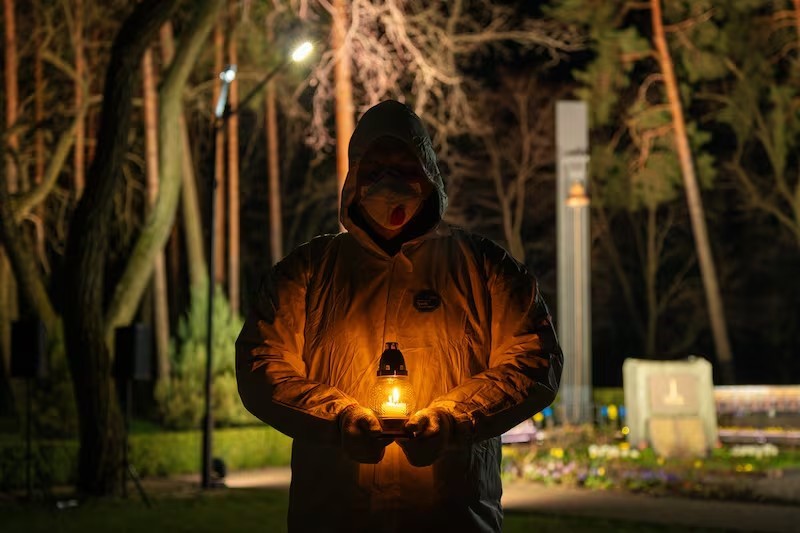
War Escalation and Nuclear Safety Concerns:
- Ukraine accused Russia of “nuclear terrorism” due to military actions near sensitive nuclear sites, violating the precautionary principle essential for nuclear facility operations.
- Over 100 drones launched overnight, causing casualties and widespread destruction.
- Russian drones reportedly fly over Chernobyl, increasing the risk of accidental nuclear damage and undermining environmental clearances required for safe operations.
- A drone strike previously hit the protective shell of the Chernobyl reactor, raising safety concerns and highlighting the need for ex post facto safety assessments.
- Repairs to the containment structure are difficult due to ongoing conflict, as highlighted by Greenpeace, with retrospective environmental clearances becoming necessary for post-conflict restoration.
- The war has heightened fears of a man-made nuclear disaster, reminiscent of past catastrophes, emphasizing the importance of the polluter pays principle in international law.
Strategic Importance of Nuclear Facilities in Ukraine
- Ukraine operates four nuclear power plants, crucial for its energy security, all requiring strict environmental clearance protocols.
- The Zaporizhzhia Nuclear Power Plant, Europe’s largest, is currently under Russian control, operating without proper EIA notification procedures.
- Managed by Russia’s nuclear agency Rosatom, the plant is in shutdown mode, requiring ex-post environmental compliance reviews.
- Nuclear infrastructure has become a strategic asset and vulnerability in the conflict, challenging principles of environmental democracy.
- Any damage could trigger regional or global environmental consequences, similar to concerns addressed in environmental jurisprudence frameworks.
- The situation reflects the growing risk of nuclear facilities becoming targets in modern warfare, necessitating stronger international regulatory mechanisms akin to the Forest Conservation Act and Coastal Regulation Zone protections.
About Chernobyl Disaster & Nuclear Risks :● Chernobyl Disaster (1986): Worst nuclear accident in history, caused by reactor explosion in Ukraine (then USSR), highlighting failures in environmental impact assessment and safety protocols. ● Released massive radioactive contamination, affecting Europe and beyond, violating the fundamental right to a pollution free environment. ● Led to global reforms in nuclear safety standards and regulations, including mandatory environmental clearances and the application of the precautionary principle. ● Highlighted risks of human error, poor reactor design, and lack of transparency, establishing the need for environmental democracy in nuclear governance. ● The concept of nuclear security now includes protection from military conflicts and terrorism, with post facto assessments becoming crucial for damaged facilities, as emphasized in landmark cases like the Vanashakti judgment. ● Established the polluter pays principle in international environmental jurisprudence, making states accountable for transboundary nuclear contamination. ● Relevance: Links to disaster management, energy security, environmental issues, and international humanitarian law, with parallels to regulatory frameworks like the EIA Notification and protective legislation similar to the Forest Conservation Act and Coastal Regulation Zone norms. |

