 India's No.1 PU & Degree With Integrated IAS & IPS(UPSC/PSC) Training College.


CHENAB BRIDGE SYMBOLISES KASHMIR’S NEW PATH
CHENAB BRIDGE SYMBOLISES KASHMIR’S NEW PATH
Syllabus:
GS Paper – 3 Infrastructure
Why in the News?
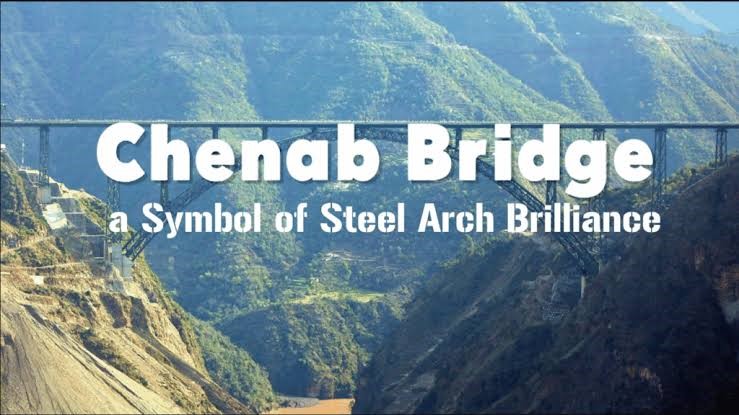
Prime Minister Narendra Modi recently inaugurated the Chenab Railway Bridge in Jammu & Kashmir, the world’s highest railway bridge. This engineering marvel, often described as a floating bridge due to its suspended design, is a key part of the Udhampur-Srinagar-Baramulla Rail Link project. It represents not just a technological triumph, but also a symbol of political resolve and national integration. However, the editorial highlights that true transformation in the Kashmir Valley requires empathy and inclusive political imagination, beyond infrastructure.
SYMBOLIC INFRASTRUCTURE
- Engineering Marvel: The Chenab Bridge is the world’s highest railway bridge, standing as a technological triumph and a reflection of India’s engineering capability. This suspended bridge showcases cutting-edge design and construction techniques, rivaling iconic structures like the Eiffel Tower. In fact, the complexity of the Chenab Bridge’s construction draws parallels to the Eiffel Tower construction, both representing pinnacles of engineering prowess in their respective eras.
- National Statement: Beyond steel, it symbolizes India’s political will to integrate Kashmir meaningfully — a bold departure from earlier token gestures. The bridge represents a significant infrastructure investment in the region, serving as an economic game-changer for local communities.
- Strategic Connectivity: The bridge serves not just logistical needs, but geopolitical objectives, reaffirming sovereignty in conflict-prone terrain. It provides crucial logistical depth for national security operations, spanning the challenging Pir Panjal range.
- Development Over Division: It sends a message that India will build and invest where adversaries seek to instigate and divide. The project demonstrates a commitment to economic development in Jammu and Kashmir, fostering social integration through improved connectivity.
- Civilisational Link: Like Adi Shankara’s ancient yatra to Kashmir, the bridge represents modern connection over conquest. It reinforces Kashmir’s role as a civilisational crossroads, emphasizing the valleys importance in India’s cultural tapestry.
SECURITY AND DIPLOMACY
- Firm Response: Post the Pahalgam terror attack, India responded with Operation Sindoor — a demonstration of decisive security action. The bridge’s construction incorporated advanced security measures to ensure its resilience against potential threats.
- Diplomatic Campaign: Parliamentary delegations took India’s case globally, reframing violence as cross-border subversion rather than domestic grievance. This diplomatic outreach aimed to counter Pakistan’s strategy of internationalization, highlighting the need for a secure internet bridge to combat misinformation.
- Narrative Control: The government’s assertive messaging ensured India’s story was told, avoiding malicious distortions from abroad. This approach underscores the importance of limit testing narratives that could undermine national interests, ensuring that India maintains control over its own story in the international arena.
- Pakistan’s Duplicity: The editorial points to Pakistan’s dual strategy — peace proclamations alongside covert terror sponsorship. The bridge stands as a counterpoint to the idea of a train to Pakistan, emphasizing India’s focus on internal development.
- Stability as Threat: Every positive shift in Kashmir challenges Pakistan’s victimhood narrative, destabilizing its politics of grievance. The bridge’s completion demonstrates India’s commitment to progress despite regional tensions.
DEVELOPMENT AS STRATEGY
- Beyond Security: Modi’s Kashmir policy is not solely security-centric, but backed by unprecedented development efforts. This holistic development strategy aims to address root causes of unrest through economic empowerment.
- Infrastructure Boost: Thousands of kilometers of roads, rural electrification, upgraded schools and healthcare, reflect a governance overhaul. This includes projects like the NATM tunnel for all-weather connectivity, considering the variable weather in Kashmir.
- Tourism Revival: Before Pahalgam, Kashmir witnessed a tourism resurgence, indicating grassroots economic revival. The region’s famous Kashmiri walnuts and Kashmiri carpets are finding new markets, boosted by improved transportation links. The intricate designs of Kashmiri carpets, now more accessible to global markets, showcase the region’s rich artisanal heritage.
- Symbolic Shift: The bridge marks a shift from ceremonial visits to tangible progress, ending the era of tokenism. Its construction required powerful locomotives to transport materials, symbolizing the strength of India’s development push.
- Execution Over Rhetoric: What distinguishes current efforts is delivery, not just declaration, breaking the cycle of unmet promises. The bridge’s completion demonstrates the government’s commitment to following through on development plans.
TRUST AND EMPATHY
- Limits of Steel: Physical bridges cannot substitute emotional reconciliation. Trust-building is vital for long-term peace, requiring efforts beyond infrastructure development.
- Restorative Politics: Kashmir needs a shift from managing resentment to enabling dignity and agency. This approach emphasizes empowerment of local communities in decision-making processes.
- Empathy Needed: The people need to be trusted, not surveilled. Human-centred policy must replace control-driven governance, focusing on the significance of measurement in terms of human development indices.
- Citizen Stories: Everyday resilience — of teachers, farmers, and artists — forms the soul of Kashmir, often ignored in grand narratives. These stories are crucial for understanding the region’s social fabric.
- Active Partners: Kashmiris must be empowered as stakeholders, not managed as beneficiaries of state largesse. This shift is essential for sustainable peace and development in the region.
QUIET CONTINUITIES
- Cultural Resilience: Events like the Kheer Bhawani Mela, though muted, reflect a surviving pluralism. Such traditions underscore the importance of cultural preservation in development efforts.
- Syncretic Legacy: Saints like Lal Ded symbolize a Kashmir that united faiths, philosophies, and people through shared humanity. This legacy provides a foundation for modern social integration efforts.
- Coexistence Spirit: The spirit of mutual respect among Muslims and Hindus still endures — a precious continuity amidst conflict. This enduring harmony is key to Kashmir’s cultural identity.
- Narrative Balance: Kashmir is not just about conflict headlines, but also about centuries-old civilisational crosscurrents. Recognizing this complexity is crucial for balanced policy-making.
- Human Core: Recognizing Kashmir’s quiet continuities is essential for crafting humane and sustainable policies. These continuities form the bedrock of Kashmir’s resilience and potential for peace.
FUTURE IMPERATIVES
- Avoid Complacency: The absence of bullets should not be mistaken for presence of peace. Silence can conceal unresolved issues, requiring ongoing attention and effort.
- Pakistan Factor: Future provocations by Pakistan-backed actors remain likely — through terror, misinformation, or ideological subversion. Vigilance and proactive measures remain necessary.
- Renewal Strategy: India must avoid falling into the old trap of reactionary bureaucracy and instead focus on soulful nation-building. This approach should prioritize environmental sensitivity in development projects.
- Beyond Metrics: Peace in Kashmir cannot be measured merely by infrastructure or security indices, but by the freedom to dream, dissent, and dialogue. Bridge measurement should extend beyond physical dimensions to social impact.
- Centrality of Kashmiris: At the heart of all policy must be the people of Kashmir — not as objects of security or pity, but as co-authors of destiny. Their empowerment is crucial for sustainable peace and development.
CONCLUSION
The Chenab Bridge stands as a testament to India’s resolve, but Kashmir’s real transformation demands more than concrete — it needs compassion, collaboration, and courage. True peace will come when Kashmiris feel heard, respected, and empowered. It’s time to place them at the heart of the Indian idea once again. The bridge, with its blast-resistant design and seismic resilience, symbolizes not just engineering prowess but a commitment to lasting peace and development in the region. As an economic game-changer, it paves the way for a new era of prosperity and integration, while respecting Kashmir’s unique cultural and environmental heritage.
Source: TH
MAINS PRACTICE QUESTION
Q. Discuss how infrastructure development, combined with empathetic governance, can play a transformative role in conflict-prone regions like Jammu & Kashmir. Suggest measures to balance security, development, and democratic agency in such areas.

