 India's No.1 PU & Degree With Integrated IAS & IPS(UPSC/PSC) Training College.


C.P. Radhakrishnan Sworn In as 15th Vice President
C.P. Radhakrishnan Becomes India’s 15th Vice President Amid Ongoing Judicial Debates
Why in the News ?
C.P. Radhakrishnan was sworn in as the 15th Vice President of India, administered by President Droupadi Murmu. He won the Vice Presidential elections by securing 452 votes, defeating B Sudershan Reddy by a 152-vote margin. This transition comes at a time when India grapples with various challenges, including recent riots and ongoing debates about bail provisions under the UAPA (Unlawful Activities Prevention Act). The appointment coincides with discussions surrounding the Delhi riots case and calls for speedy trials in high-profile cases involving individuals like Umar Khalid and Natasha Narwal.
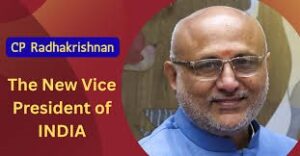
Key Highlights of C.P. Radhakrishnan’s Career:
- Political Journey: Began as a student leader; associated with the RSS and served public causes via politics. His career has seen him address various issues, including the aftermath of communal violence and riots in different parts of the country, which now intersect with ongoing debates about bail provisions and pre-trial detention.
- Parliamentary Career: Elected twice to the Lok Sabha from Coimbatore, Tamil Nadu.
- Governorships: Served as Governor of Jharkhand, Telangana, Maharashtra, and Lieutenant Governor of Puducherry.
- Professional Background: An agriculturist and industrialist with a reputation for integrity, vision, and unblemished public life.
- Historic Moment: Becomes the third leader from Tamil Nadu to serve as India’s Vice President.
Significance of Radhakrishnan’s Election for Indian Democracy
- Reflects the strengthening of federal structure, as leaders from diverse states reach constitutional positions.
- Emphasizes the importance of experienced administrators in high constitutional offices.
- Highlights the democratic process of indirect elections for Vice President in India.
- Demonstrates the role of political alliances (NDA vs. I.N.D.I.A. bloc) in shaping constitutional leadership.
- Reinforces the tradition of respecting merit, experience, and public service in leadership roles.
- Underscores the need for balance between security measures and constitutional safeguards, especially in light of recent debates surrounding the UAPA and bail provisions in cases related to the 2020 Delhi riots.
- Emphasizes the importance of upholding the right to liberty and presumption of innocence while addressing security concerns, as highlighted in recent Delhi High Court judgments on bail jurisprudence. These judgments have sparked discussions about judicial discretion and the interpretation of prima facie cases in granting bail.
- Brings attention to the role of constitutional courts in interpreting laws and setting supreme court precedents that guide lower courts in matters of bail and detention, particularly in cases involving undertrial prisoners accused under stringent laws like UAPA.
Key Facts About Vice President of India: |
|

