 India's No.1 PU & Degree With Integrated IAS & IPS(UPSC/PSC) Training College.


Bhutan Eliminates Dog-Transmitted Rabies Threat
BHUTAN ELIMINATES DOG TRANSMITTED RABIES AS PUBLIC HEALTH THREAT
Why in the News ?
The WHO has validated Bhutan as the first country in its South-East Asia Region to eliminate dog-transmitted rabies as a public health problem. Bhutan recorded its last rabies death in June 2023, marking progress towards the global 2030 elimination goal.
Bhutan’s Rabies Elimination Strategy
- WHO Validation: Bhutan achieved elimination after maintaining the required period without human deaths and demonstrating the ability to prevent re-emergence of transmission.
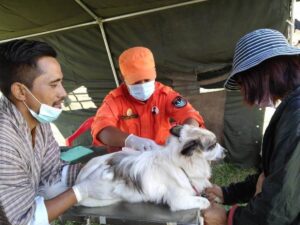
- Dog Vaccination: Mass vaccination of dogs was central to controlling transmission at its source, alongside systematic dog population management.
- Human Protection: Continued access to Post-Exposure Prophylaxis (PEP) ensured timely protection following potentially rabid animal bites.
- Community Participation: Health workers, veterinarians, local governments, communities and De-suung volunteers supported vaccination, awareness and surveillance across the country.
- One Health: Bhutan adopted a One Health approach, integrating human health, animal health and environmental considerations through cooperation between the Health and Agriculture and Livestock
Significance of One Health Approach for Elimination
- Source Control: Vaccinating dogs addresses rabies before transmission to humans, making animal vaccination a critical preventive intervention.
- Integrated Action: Effective elimination requires coordination among public-health authorities, veterinarians, municipalities and communities, rather than isolated interventions.
- Surveillance Strength: Bhutan combined disease surveillance, dog population management and community awareness to reduce the possibility of renewed transmission.
- Preventable Deaths: Rabies deaths are largely preventable through timely vaccination and PEP, highlighting the importance of accessible healthcare after animal exposure.
- Replicable Model: Bhutan’s experience demonstrates how political commitment, inter-sectoral coordination, mass vaccination and community participation can support rabies elimination in other endemic countries, including India.
About Rabies, Transmission and Prevention:● Viral Disease: Rabies is a viral zoonotic disease affecting the central nervous system and is almost invariably fatal once clinical symptoms develop. ● Primary Transmission: Dogs remain the major source of human rabies transmission globally, particularly through infected saliva entering bite wounds. ● Indian Burden: Rabies remains endemic across India, except the Andaman and Nicobar Islands and Lakshadweep, with dog bites accounting for the overwhelming majority of cases. ● PEP Protocol: Following exposure, immediate washing of the wound with soap and water, followed by the recommended rabies vaccine and, when indicated, rabies immunoglobulin, can prevent disease. ● 2030 Target: India’s National Rabies Control Programme seeks to progressively reduce human rabies mortality and achieve zero rabies deaths by 2030, consistent with the global elimination objective. |

