 India's No.1 PU & Degree With Integrated IAS & IPS(UPSC/PSC) Training College.


Batukeshwar Dutt: Courageous Revolutionary Hero
BATUKESHWAR DUTT: A COURAGEOUS REVOLUTIONARY FREEDOM FIGHTER
WHY IN THE NEWS ?
- Birth Anniversary: Union Home Minister Amit Shah paid tribute to revolutionary freedom fighter Batukeshwar Dutt, remembering his courage, patriotism and contribution to India’s independence movement.
- Historical Contribution: Dutt, alongside Bhagat Singh, participated in the 1929 Central Legislative Assembly bombing to protest colonial repression and popularise revolutionary ideas.
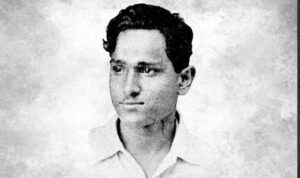
BATUKESHWAR DUTT: LIFE AND CONTRIBUTIONS
- Freedom Fighter: Batukeshwar Dutt was an Indian revolutionary who played an important role in the armed resistance against British colonial rule.
- Revolutionary Organisation: He was associated with the Hindustan Socialist Republican Association (HSRA), which sought to overthrow British rule through revolutionary activities.
- Assembly Incident: On 8 April 1929, Dutt and Bhagat Singh threw low-intensity bombs in the Central Legislative Assembly in Delhi.
- Political Message: The action was intended to protest against repressive colonial legislation and make the voices of Indians heard. The revolutionaries deliberately avoided causing fatalities.
- Slogan of Resistance: They raised slogans such as ‘Inquilab Zindabad’ and distributed revolutionary pamphlets to communicate their political message.
- Arrest and Trial: Both revolutionaries surrendered after the incident and were arrested by British authorities.
- Prison Struggle: Dutt endured imprisonment and participated in protests against the discriminatory treatment of Indian political prisoners.
- Cellular Jail: He was later transported to the Cellular Jail in the Andaman and Nicobar Islands, where he continued to resist colonial injustice.
SIGNIFICANCE OF REVOLUTIONARY NATIONALISM
- Youth Participation: Dutt’s contribution reflects the active participation of young Indians in the freedom struggle.
- Anti-Colonial Resistance: Revolutionary activities challenged British authority and exposed the oppressive nature of colonial administration.
- Political Awareness: The Assembly incident demonstrated how revolutionary actions were used to communicate political demands and mobilise public opinion.
- Collective Leadership: His association with Bhagat Singh highlights the importance of collective action and ideological commitment among revolutionaries.
- Historical Legacy: His sacrifices remain an important part of India’s struggle for independence and inspire generations to value courage and patriotism.
ABOUT REVOLUTIONARY NATIONALISM IN INDIA:● HSRA: Established in 1928 at Feroz Shah Kotla, Delhi, with the objective of establishing a socialist republic in India. ● Earlier Organisation: It evolved from the Hindustan Republican Association (HRA), founded in 1924. ● Key Leaders: Bhagat Singh, Chandrashekhar Azad, Sukhdev, Rajguru and Batukeshwar Dutt. ● Central Assembly Bombing: Took place on 8 April 1929 against colonial legislative measures. ● Lahore Conspiracy Case: Bhagat Singh, Rajguru and Sukhdev were executed on 23 March 1931. ● Inquilab Zindabad: The slogan became a powerful expression of revolutionary nationalism in India’s freedom movement. |

