India's No.1 PU & Degree With Integrated IAS & IPS(UPSC/PSC) Training College.


Antibiotic Resistance: India’s Growing Health Burden
ANTIBIOTIC RESISTANCE RAISES INDIA’S HEALTHCARE BURDEN
WHY IN THE NEWS ?
ICMR’s AMR surveillance study across 20 tertiary-care hospitals found that carbapenem-resistant bacterial infections are associated with higher mortality and antibiotic costs.The study examined 150,336 hospitalised patients, highlighting the need for stronger infection prevention, timely diagnosis and antimicrobial stewardship.
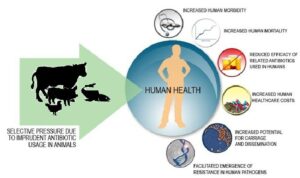
CARBAPENEM RESISTANCE: RISING CLINICAL THREAT:
- Study Findings: The ICMR Antimicrobial Resistance Surveillance Network analysed hospitalised patients between April 2022 and April 2025, revealing greater risks from resistant infections.
- Higher Mortality: Among coli infections, mortality was 24.4% for carbapenem-resistant cases compared with 17.3% for susceptible infections.
- Bacterial Burden: The study covered coli, Klebsiella pneumoniae, Acinetobacter baumannii and Pseudomonas aeruginosa, responsible for diverse infections.
- Severe Outcomes: Among bloodstream infections, mortality reached 3% for E. coli and 50.8% for A. baumannii, demonstrating the seriousness of resistance.
- Limited Options: Carbapenems are broad-spectrum antibiotics reserved for serious infections; resistance against them leaves doctors with fewer effective treatment choices.
ECONOMIC COST AND INFECTION-CONTROL IMPERATIVE
- Higher Expenses: Antibiotic treatment for resistant infections was costlier; for example, resistant coli treatment averaged around ₹39,846, against ₹20,034 for susceptible infections.
- Hidden Burden: The study’s estimates excluded ICU costs, hospital charges, diagnostics, procedures and supportive care, meaning the actual economic burden could be considerably higher.
- Healthcare Transmission: Over 85% of bloodstream infections involving the four bacteria were classified as healthcare-associated, emphasising hospital infection-control gaps.
- Prevention Priority: Hospitals need stronger hand hygiene, environmental cleaning, surgical-site prevention and surveillance of healthcare-associated infections.
- Timely Diagnosis: Better diagnostic systems can enable targeted antibiotic therapy, reducing unnecessary dependence on broad-spectrum medicines and slowing resistance.
ABOUT ANTIMICROBIAL RESISTANCE:● Definition: Antimicrobial resistance (AMR) occurs when microorganisms develop the ability to survive medicines designed to kill or inhibit them. ● Major Drivers: Resistance is accelerated by antibiotic misuse, overuse, poor infection control, inadequate sanitation and antimicrobial use in agriculture. ● Genetic Spread: Resistant bacteria can transmit resistance genes to offspring and other bacteria through DNA exchange. ● Health Impact: AMR can cause treatment failure, prolonged hospitalisation, higher mortality and increased healthcare expenditure. ● Integrated Response: Effective AMR management requires infection prevention, vaccination, hygiene, surveillance, rational antibiotic use and antimicrobial stewardship. |