 India's No.1 PU & Degree With Integrated IAS & IPS(UPSC/PSC) Training College.


COP31 Tests Global Climate Cooperation
COP31 TESTS GLOBAL CLIMATE COOPERATION AND ACCOUNTABILITY
WHY IN THE NEWS ?
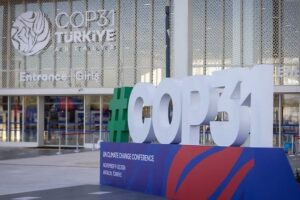
COP31 Conference: The 31st UN Climate Change Conference began in Antalya, Türkiye (November 2026) amid concerns over rising global temperatures, inadequate climate finance and weak implementation of the Paris Agreement. The summit focuses on energy transition, adaptation finance and accountability.
COP31: KEY ISSUES AND GLOBAL CLIMATE CHALLENGES
- 5°C Target: UNEP assessments indicate that limiting global warming to 1.5°C is no longer achievable under current trajectories. The world may instead face warming of approximately 1.7–1.8°C.
- Climate Finance: Developing countries are demanding implementation of commitments to triple adaptation finance and mobilise $1.3 trillion annually by 2035 through the Baku-to-Belém Roadmap.
- Fossil Fuel Transition: More than 80 countries support a roadmap to move away from coal, oil and gas, but disagreements over fossil fuel commitments continue.
- Energy Transition: Türkiye has proposed increasing electricity’s share of final global energy consumption from around 23% to 35% by 2035, encouraging wider electrification.
- Global South Demands: Developing nations, including India, are seeking climate finance, technology transfer and recognition of Common But Differentiated Responsibilities and Respective Capabilities (CBDR-RC).
COP31: SIGNIFICANCE, INDIA’S ROLE AND WAY FORWARD
- Global Accountability: COPs remain the primary international platform where developing countries can demand accountability from developed nations for their historical contribution to climate change.
- India’s Participation: India is playing a central role by co-chairing climate mitigation consultations with Germany and advocating equitable climate action.
- Implementation Gap: The Paris Agreement requires countries to submit Nationally Determined Contributions (NDCs) every five years, but actual climate action remains inadequate.
- Institutional Challenges: COP31 follows an unusual dual-presidency arrangement, with Türkiye hosting the summit and Australia leading formal negotiations.
- Climate Action: The focus must shift from ambitious announcements towards measurable emission reductions, accessible climate finance, renewable energy deployment and support for vulnerable communities.
ABOUT UNFCCC AND INTERNATIONAL CLIMATE AGREEMENTS:● UNFCCC: The United Nations Framework Convention on Climate Change was adopted in 1992 at the Rio Earth Summit to address global climate change. ● COP: The Conference of the Parties is the supreme decision-making body of the UNFCCC, bringing member countries together annually. ● Paris Agreement (2015): Adopted at COP21, it aims to keep global warming well below 2°C while pursuing efforts to limit it to 1.5°C. ● Article 9.1: Requires developed countries to provide financial resources to developing countries for mitigation and adaptation. ● CBDR-RC: This principle recognises that all countries share climate responsibilities, but their obligations differ according to historical emissions, capabilities and national circumstances. |

