 India's No.1 PU & Degree With Integrated IAS & IPS(UPSC/PSC) Training College.


Keralam at 70: A Mirror to India’s Journey
KERALAM AT 70: HOLDING A MIRROR TO INDIA
SYLLABUS:
GS-1: Indian Society,Diversity of India,Regional Development and Social Empowerment ,Communalism and Secularism
WHY IN THE NEWS?
As Keralam marks 70 years since its formation in 1956, its development experience offers important lessons for India. The State has achieved significant improvements in healthcare, education, poverty reduction, gender development and social welfare, demonstrating that human development and democratic participation can be prioritised alongside economic growth. Its experience also highlights challenges relating to federalism, ecological sustainability and social equality.
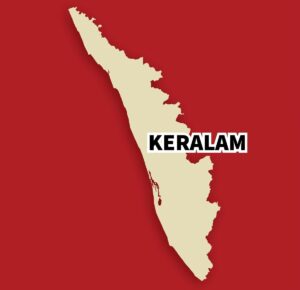
KERALAM’S DEVELOPMENT JOURNEY: FROM POVERTY TO HUMAN DEVELOPMENT
- Historical Transformation: When Keralam was formed in 1956, it was among India’s poorer States, comparable to Uttar Pradesh and Madhya Pradesh. Over the decades, it transformed into one of the country’s leading States in terms of income and human development.
- Human Development Achievement: According to the article, if Keralam were treated as an independent country, its Human Development Index (HDI) position would be approximately 75th globally, ahead of China and significantly above India’s reported position of 130th.
- Healthcare Performance: Keralam has achieved an infant mortality rate lower than that of the United States, demonstrating the importance of accessible healthcare, maternal care, nutrition and public health infrastructure.
- Social Development: Improvements in literacy, educational access, public healthcare, sanitation and poverty reduction have contributed to better living standards and enhanced human capabilities.
- Developmental Significance: Keralam demonstrates that historical poverty does not prevent a region from achieving substantial development when public institutions, democratic participation and social welfare receive sustained attention.
HUMAN DEVELOPMENT VERSUS INCOME-BASED ECONOMIC GROWTH
- Amartya Sen’s Approach: Economist Amartya Sen’s Capability Approach argues that development should be measured through the expansion of people’s freedoms and capabilities rather than income or economic output alone.
- Development Priorities: Keralam’s experience highlights the importance of investing in education, healthcare, nutrition, social security and opportunities for meaningful participation.
- Gujarat Comparison: The article compares Keralam with Gujarat, noting that despite Gujarat’s higher income and faster economic growth, Keralam performs better on several social indicators, including multidimensional poverty, infant mortality and educational attainment.
- Gender Development: According to the article, 87% of women and 82% of men in Keralam have at least 10 years of schooling, compared with 38% and 47%, respectively, in Gujarat.
- Inclusive Growth: Keralam demonstrates that human development and economic growth are not necessarily competing objectives. Investments in health and education can improve productivity, employment opportunities and long-term economic performance.
DEMOCRACY, SECULARISM AND RELIGIOUS PLURALISM IN KERALAM
- Democratic Foundation: The article identifies robust democratic institutions and political participation as central factors behind Keralam’s development experience.
- Religious Diversity: Keralam has historically accommodated Hindu, Muslim and Christian communities through centuries of cultural exchange, trade and social interaction.
- Consociational Democracy: The article highlights a model of power-sharing in which different religious communities receive representation in political institutions, helping accommodate social diversity.
- Political Representation: According to the article, the Keralam Legislative Assembly broadly reflects the State’s religious composition, with approximately 51% Hindu, 25% Muslim and 24% Christian MLAs.
- Constitutional Values: Keralam’s experience highlights the importance of secularism, equality, fraternity and freedom of religion, which are essential for maintaining democratic stability in a diverse society.
SOCIAL EMPOWERMENT AND COMMUNITY-BASED WELFARE
- Kudumbashree Initiative: Keralam’s Kudumbashree Mission is among the world’s largest women-led community networks, promoting women’s economic empowerment, entrepreneurship, financial inclusion and grassroots participation.
- Women’s Empowerment: Self-help groups have strengthened women’s involvement in local governance, livelihood generation, poverty alleviation and community-level decision-making.
- Palliative Healthcare: The article notes that approximately 60% of India’s palliative care services are located in Keralam, highlighting the State’s emphasis on accessible and community-based healthcare.
- Civil Society Participation: Independent organisations, social movements, community networks and public-interest groups play an important role in questioning government decisions and demanding accountability.
- Participatory Governance: Keralam demonstrates how decentralised institutions and active civil society organisations can improve service delivery, strengthen social accountability and deepen democratic participation.
KERALAM’S MODEL OF SOCIAL JUSTICE AND INCLUSIVE DEVELOPMENT
- Poverty Reduction: The article highlights that Keralam’s multidimensional poverty levels are approximately 20 times lower than Gujarat’s, reflecting the importance of redistributive policies and universal access to essential services.
- Public Health: Lower infant mortality, improved maternal healthcare and wider access to medical facilities demonstrate how sustained public investment can strengthen health outcomes.
- Educational Equality: Greater access to education for both men and women has contributed to social mobility, awareness, employment opportunities and improved human capabilities.
- Social Protection: Welfare programmes, public distribution systems, healthcare support and community-based initiatives have helped protect economically weaker sections from extreme deprivation.
- Social Inclusion: Keralam’s development experience also highlights the importance of recognising historically marginalised groups, including Dalits, Adivasis, women and migrant workers, in the development process.
FEDERALISM AND THE CHALLENGES TO KERALAM’S DEVELOPMENT MODEL
- Fiscal Federalism: The article raises concerns regarding the weakening of federalism and the financial pressures faced by States, particularly their ability to independently determine development priorities.
- Political Differences: Differences between State-level priorities and national political approaches can create tensions concerning governance, resource allocation and policy implementation.
- Cultural Diversity: Keralam’s distinctive religious composition, food habits, cultural practices and political traditions highlight the importance of protecting India’s pluralistic social structure.
- Economic Pressures: Fiscal constraints, migration dependence and the growing influence of market-oriented economic policies create challenges for sustaining the State’s extensive welfare commitments.
- Democratic Space: Independent civil society organisations and democratic institutions need adequate space to question government policies, protect minority rights and ensure accountability at every level of governance.
EMERGING DEVELOPMENTAL CHALLENGES IN KERALAM
- Ageing Population: Improved life expectancy and demographic transition have increased the proportion of elderly people, creating additional requirements for pensions, geriatric healthcare and long-term care facilities.
- Ecological Crisis: Environmental degradation, floods, landslides, biodiversity loss and climate-related vulnerabilities threaten the sustainability of Keralam’s development achievements.
- Fiscal Sustainability: High welfare expenditure, revenue constraints and increasing social security requirements create pressure on public finances and the State’s ability to maintain development programmes.
- Migration Dependence: Outmigration of workers and dependence on remittances expose the economy to external employment conditions and international economic fluctuations. The State must also address the rights and welfare of migrant workers within Keralam.
- Incomplete Social Equality: Women, particularly lower-caste and working-class women, Dalits, Adivasis and migrant labourers, continue to face structural inequalities, indicating that the promise of inclusive development remains unfinished.
WAY FORWARD: LESSONS FOR INDIA FROM THE KERALAM MODEL
- Human-Centric Development: India should move beyond an exclusively income-based understanding of development by integrating health, education, nutrition, gender equality and quality of life into national development strategies.
- Strengthening Cooperative Federalism: Centre-State relations should be strengthened through transparent fiscal transfers, greater consultation, respect for State autonomy and collaborative policy implementation.
- Universal Social Welfare: Investments in public healthcare, quality education, social security, women’s empowerment and poverty alleviation should be expanded to ensure equitable access to essential services.
- Protecting Secularism and Pluralism: Constitutional values of secularism, fraternity, equality and freedom of religion must be strengthened through inclusive governance, protection of minority rights and meaningful democratic participation.
- Sustainable Development: Keralam must address ecological vulnerabilities, demographic ageing, fiscal pressures and migration dependence through climate-resilient infrastructure, sustainable public finances, elderly care and diversified employment opportunities.
CONCLUSION:
Keralam’s 70-year development journey demonstrates that economic prosperity alone cannot define the success of a society. Its achievements in healthcare, education, poverty reduction, democratic participation and religious pluralism offer important lessons for India. However, ecological vulnerabilities, fiscal constraints and persistent social inequalities remain significant challenges. Ultimately, development must be measured by the expansion of human freedoms, equality, dignity and opportunities, rather than economic growth alone.
SOURCE:TH
MAINS PRACTICE QUESTION:
“Keralam’s development experience demonstrates that human development, democratic participation and social welfare can be prioritised alongside economic growth.” Examine this statement. Discuss the significance of the Keralam model for India’s inclusive development, secularism and cooperative federalism, while highlighting its emerging socioeconomic and ecological challenges

