 India's No.1 PU & Degree With Integrated IAS & IPS(UPSC/PSC) Training College.


Justice for All: An Indivisible Struggle
THE STRUGGLE FOR JUSTICE IS INDIVISIBLE
SYLLABUS:
GS-1: Indian Society, Social Empowerment, Issues Related to Scheduled Tribes and Scheduled Castes
GS-2:Fundamental Rights,Government Policies and Interventions,Welfare Schemes for Vulnerable Sections, Issues Relating to Displacement and Rehabilitation
GS-3:Environmental Conservation, Infrastructure Development, Land and Water Resources Management
GS-4:Ethics in Governance, Justice, Equality and Human Dignity, Accountability and Transparency
WHY IN THE NEWS?
The displacement of Adivasi and Dalit families due to the Majhgaya Dam, Runjh Dam and Ken-Betwa River-Linking Project in Madhya Pradesh has raised serious concerns regarding land acquisition, rehabilitation, forest rights and constitutional protection. The protests led by affected communities also highlight questions surrounding state accountability, democratic participation and the protection of vulnerable citizens.
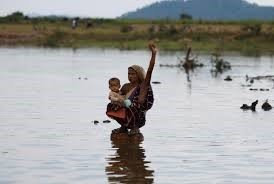
DEVELOPMENT PROJECTS AND THE ISSUE OF DISPLACEMENT
- Infrastructure Development: Projects such as dams, irrigation facilities and river-linking initiatives are undertaken to improve water availability, agricultural productivity and regional development. However, their implementation must balance public benefits with the rights of affected communities.
- Affected Communities: The Majhgaya and Runjh dams, along with the Ken-Betwa project, have affected numerous Adivasi and Dalit families in Madhya Pradesh’s Panna and Chhatarpur districts.
- Livelihood Disruption: Displacement results in the loss of agricultural land, houses, livestock, forest resources and traditional occupations, threatening the economic security of already vulnerable communities.
- Unequal Development: The benefits of infrastructure development may reach wider populations, while the immediate social and economic costs are disproportionately borne by displaced families.
- Social Justice: Development must follow the principle of inclusive and equitable growth, ensuring that project-affected people are not deprived of their fundamental rights in the name of national or regional progress.
CONSTITUTIONAL AND LEGAL RIGHTS OF ADIVASI COMMUNITIES● Article 21: The Right to Life and Personal Liberty protects human dignity and has been interpreted by the judiciary to include aspects such as livelihood, shelter and a dignified existence. ● Forest Rights Act, 2006: The Scheduled Tribes and Other Traditional Forest Dwellers (Recognition of Forest Rights) Act, 2006, recognises individual and community forest rights of eligible forest-dwelling communities. ● Section 4(5): The Forest Rights Act prohibits the eviction or removal of eligible forest-dwelling Scheduled Tribes and other traditional forest dwellers until the recognition and verification of their forest rights are complete. ● Gram Sabha Consent: The Gram Sabha plays a crucial role in identifying and recognising forest rights, protecting community resources and participating in decisions affecting forest-dwelling communities. ● Wildlife Protection: Communities residing within protected wildlife areas are entitled to statutory safeguards. Relocation from critical wildlife habitats must comply with legal requirements, including the applicable provisions governing voluntary relocation. |
LAND ACQUISITION AND REHABILITATION: LEGAL PROVISIONS
- 2013 Land Acquisition Act: The Right to Fair Compensation and Transparency in Land Acquisition, Rehabilitation and Resettlement Act, 2013, establishes safeguards relating to compensation, rehabilitation and resettlement of affected families.
- Section 38(1): The provision mandates that rehabilitation and resettlement for irrigation projects must be completed six months before the submergence of acquired land.
- Compensation Deficiencies: In the Majhgaya and Runjh dam projects, incomplete surveys, outdated eligibility criteria and inadequate compensation have reportedly prevented several families from receiving their legally entitled benefits.
- Delayed Rehabilitation: The article highlights that some families have faced displacement risks despite incomplete rehabilitation arrangements, violating the intended protections under the 2013 Act.
- Human Consequences: Delayed compensation and uncertainty over rehabilitation have contributed to indebtedness, school dropouts, livelihood insecurity and distress among affected households.
KEN-BETWA RIVER-LINKING PROJECT AND ENVIRONMENTAL CONCERNS
- Project Objective: The Ken-Betwa River-Linking Project aims to transfer water from the Ken River to the Betwa River to address water scarcity and improve irrigation facilities in Bundelkhand and neighbouring regions of Uttar Pradesh.
- Infrastructure Component: The project involves constructing a 96.7-metre-high Daudhan Dam on the Ken River, making it a major component of India’s river-interlinking programme.
- Forest Diversion: According to the article, approximately 6,000 hectares out of the 9,000 hectares required for the project constitute forest land, including areas associated with the Panna Tiger Reserve.
- Biodiversity Threat: The estimated felling of approximately 2.3 million trees raises concerns regarding habitat destruction, ecological fragmentation and biodiversity loss.
- Environmental Viability: Questions have been raised regarding water availability in the Ken River, ecological consequences and the long-term sustainability of the project, highlighting the need for transparent scientific assessment.
STATE ACCOUNTABILITY, DEMOCRATIC RIGHTS AND SOCIAL JUSTICE
- Constitutional Accountability: Dr. B.R. Ambedkar emphasised that the success of the Constitution depends upon the manner in which constitutional institutions and authorities implement its provisions.
- Democratic Representation: The article highlights the arrest of Divya Ahirwar, an elected Scheduled Caste ward councillor, during protests against displacement, raising concerns regarding the protection of democratic participation.
- Freedom of Expression: Peaceful protests and collective mobilisation are important democratic mechanisms through which vulnerable communities can communicate grievances and demand accountability.
- Equality Before Law: Article 14 guarantees equality before the law and equal protection of the laws, requiring public authorities to act fairly and without arbitrary discrimination.
- Interconnected Rights: The article connects the right to vote under Article 326 with the right to life under Article 21, arguing that political participation and protection of basic human rights are essential components of meaningful citizenship.
JUDICIAL INTERVENTION AND PROTECTION OF VULNERABLE COMMUNITIES
- Judicial Scrutiny: A Central Empowered Committee constituted by the Supreme Court examined concerns relating to the environmental clearances and ecological consequences of the Ken-Betwa project in 2019.
- Delayed Adjudication: The article expresses concern that judicial scrutiny has remained largely stalled while project implementation has continued, potentially making effective legal remedies more difficult.
- Precedent from Niyamgiri: The Niyamgiri case demonstrated the importance of Gram Sabha participation in decisions affecting the religious, cultural and community rights of Adivasi populations.
- Effective Rehabilitation: Judicial oversight must ensure that compensation, land titles, resettlement infrastructure and statutory entitlements are provided before displacement takes place.
- Access to Justice: Legal aid, speedy hearings, protection against arbitrary arrests and effective grievance-redressal mechanisms are essential to ensure that economically weaker communities can enforce their constitutional rights.
CHALLENGES IN ENSURING JUSTICE FOR DISPLACED COMMUNITIES:
- Administrative Negligence: Incomplete surveys, outdated records, delayed compensation and inadequate coordination between government departments prevent affected families from receiving their legally mandated benefits.
- Power Asymmetry: Economically weaker Adivasi and Dalit communities often lack the financial resources, legal assistance and institutional influence required to challenge large infrastructure projects.
- Cultural Displacement: Land acquisition destroys not only economic assets but also sacred groves, ancestral places of worship, traditional knowledge systems and community identities.
- Weak Rehabilitation: Resettlement without agricultural land, drinking water, schools, healthcare and livelihood opportunities can transform physical displacement into long-term socioeconomic deprivation.
- Environmental Conflicts: Infrastructure expansion can create conflicts between development objectives, forest conservation, wildlife protection and the customary rights of indigenous communities.
WAY FORWARD: ENSURING DEVELOPMENT WITH JUSTICE
- Rights-Based Development: Infrastructure planning must incorporate constitutional safeguards, social justice and environmental sustainability from the initial planning stage rather than treating rehabilitation as a post-project obligation.
- Timely Rehabilitation: Governments must ensure fair compensation, proper land titles, livelihood restoration and essential facilities before submergence or physical displacement, in accordance with the 2013 Land Acquisition Act.
- Strengthening Gram Sabhas: Gram Sabhas should be meaningfully involved in recognising forest rights, evaluating displacement proposals and participating in decisions affecting community resources.
- Independent Monitoring: Independent social audits, environmental impact assessments and judicial monitoring should be strengthened to ensure transparency, prevent irregularities and establish accountability.
- Inclusive Participation: Affected communities, particularly women, Scheduled Castes and Scheduled Tribes, must receive adequate legal assistance and meaningful representation in development-related decision-making processes.
CONCLUSION:
The struggles of displaced Adivasi and Dalit communities demonstrate that economic development cannot be separated from constitutional justice and human dignity. Infrastructure projects must not impose disproportionate costs on vulnerable populations. Protecting Article 21, forest rights, democratic participation and fair rehabilitation is essential to ensuring that development becomes genuinely inclusive. The struggle for justice is indivisible because the protection of one citizen’s rights strengthens the constitutional rights of all.
SOURCE:TH
MAINS PRACTICE QUESTION
“Development without social justice can deepen existing inequalities and undermine constitutional rights.” Discuss this statement in the context of displacement of Adivasi communities in Madhya Pradesh. Examine the constitutional and legal safeguards available to affected communities and suggest measures to ensure inclusive and rights-based infrastructure development in India.

