 India's No.1 PU & Degree With Integrated IAS & IPS(UPSC/PSC) Training College.


India’s Green Transition Needs Long-Duration Storage
INDIA’S GREEN TRANSITION IS MISSING LONG-DURATION ENERGY STORAGE
Syllabus:
GS 3:
- Research & Innovation.
- Science & Technology.
- Energy
Why in the News?
With India’s peak electricity demand reaching a record 270.8 GW and the country’s increasing dependence on renewable energy, experts have highlighted the urgent need to integrate Long-Duration Energy Storage (LDES) into India’s energy planning. LDES is emerging as a critical requirement for ensuring grid stability, energy security, and the success of India’s clean energy transition, particularly within the broader context of the Indo-Pacific strategy where energy independence and strategic alignment with regional partners are becoming increasingly important.
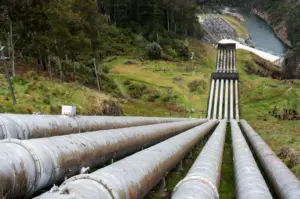
ABOUT PUMPED HYDRO ENERGY STORAGE (PHES)● Working Principle: PHES stores electricity by pumping water from a lower reservoir to a higher reservoir using surplus electricity and generates power by releasing water through turbines when electricity demand increases. ● High Efficiency: PHES typically achieves 70–80% round-trip efficiency, making it one of the most efficient large-scale energy storage technologies available today. ● Long Operational Life: Pumped hydro plants can operate efficiently for several decades with comparatively low maintenance costs, making them economically attractive over long periods. ● Large Storage Capacity: PHES can store very large quantities of electricity, making it particularly suitable for balancing renewable-rich electricity grids. ● Grid Services: Besides energy storage, PHES provides frequency regulation, voltage support, reserve capacity, and black-start capability, strengthening overall grid stability. |
LONG-DURATION ENERGY STORAGE (LDES)
- Definition: Long-Duration Energy Storage (LDES) refers to technologies capable of storing electricity and discharging it continuously for more than eight hours, extending to days, weeks, or even seasonal periods, thereby ensuring reliable power supply during prolonged renewable energy shortages.
- Purpose: LDES stores surplus electricity generated from renewable sources such as solar and wind during periods of excess generation and supplies it back to the grid when renewable generation declines or electricity demand increases.
- Grid Reliability: Unlike conventional battery storage systems that primarily manage intra-day fluctuations, LDES provides sustained energy supply during prolonged heatwaves, cloudy weather, low wind periods, and other adverse climatic conditions.
- Renewable Integration: As India increases the share of renewable energy in its electricity mix, LDES becomes indispensable for balancing intermittent renewable generation with continuously rising electricity demand.
- Strategic Importance: LDES strengthens energy security, enhances grid resilience, reduces dependence on fossil-fuel-based peaking power plants, and supports India’s transition towards a low-carbon economy while contributing to the nation’s Indo-Pacific strategy through enhanced energy self-reliance.
WHY INDIA NEEDS LDES
- Rising Electricity Demand: India’s electricity demand has increased rapidly due to urbanisation, industrialisation, expanding use of air conditioners, electric mobility, and rising standards of living, requiring reliable round-the-clock electricity supply that supports regional economic integration and competitiveness.
- Intermittent Renewables: Solar power generation declines sharply after sunset, while wind generation varies with seasonal and weather conditions, making longer-duration storage essential for maintaining uninterrupted electricity supply amid growing strategic competition in clean energy technologies.
- Extreme Weather Events: Increasing frequency of heatwaves, prolonged cloudy conditions, and changing monsoon patterns can reduce renewable energy generation for several consecutive days, necessitating multi-day storage solutions.
- Grid Stability: LDES helps maintain frequency stability, prevents grid congestion, improves system flexibility, and reduces the risk of blackouts during prolonged demand-supply imbalances, contributing to a robust regional security architecture for energy systems.
- Energy Transition: India’s ambitious renewable energy targets cannot be achieved sustainably without complementary investments in reliable long-duration storage infrastructure, especially as the nation navigates strategic competition between major powers like US and China in the clean energy sector.
MAJOR LONG-DURATION ENERGY STORAGE TECHNOLOGIES
- Pumped Hydro Energy Storage (PHES): The most mature and commercially proven LDES technology, PHES stores energy by pumping water to an elevated reservoir during surplus electricity generation and releases it through turbines to generate electricity during peak demand.
- Compressed Air Energy Storage (CAES): CAES stores compressed air in underground caverns or depleted gas fields and later releases the air to drive turbines for electricity generation, providing cost-effective large-scale storage where suitable geological formations exist.
- Thermal Energy Storage: Thermal storage systems capture and store heat or cold for extended periods, offering long discharge durations and supporting both electricity generation and industrial heating applications.
- Hydrogen-Based Storage: Surplus renewable electricity is used to produce green hydrogen through electrolysis, which can later generate electricity or serve as fuel for industries and transportation, enabling seasonal energy storage.
- Flow Batteries: Technologies such as Vanadium Redox Flow Batteries (VRFBs) provide scalable, long-life storage solutions with relatively high efficiency and are particularly suitable for medium-duration grid applications.
ADVANTAGES OF LDES
- Reliable Power Supply: LDES ensures continuous electricity availability during extended periods of low renewable energy generation, reducing dependence on fossil-fuel-based backup generation and strengthening economic interdependence through stable energy supply chains.
- Grid Flexibility: It improves the operational flexibility of power systems by balancing fluctuations in renewable generation across multiple days rather than only within daily cycles, supporting India’s Indo-Pacific strategy through enhanced energy resilience.
- Lower Carbon Emissions: Greater deployment of LDES enables higher penetration of renewable energy, reducing greenhouse gas emissions and supporting India’s climate commitments under the rules-based international order.
- Economic Efficiency: For storage durations beyond six to eight hours, LDES technologies become increasingly cost-effective compared to conventional lithium-ion battery systems.
- Energy Security: Indigenous storage capacity reduces vulnerability to fuel price volatility, import dependence, and disruptions in global energy supply chains, aligning with India’s regional engagement strategy and national security priorities.
CHALLENGES IN DEPLOYING LDES
- High Initial Investment: Most LDES technologies require substantial upfront capital investments, making financing a significant challenge despite growing interest from strategic partnerships and international investors.
- Geographical Constraints: Technologies such as PHES and CAES require specific geographical conditions, including suitable terrain, reservoirs, or underground geological formations.
- Regulatory Gaps: India’s current energy policies recognise energy storage but do not yet provide a comprehensive framework specifically addressing Long-Duration Energy Storage.
- Technology Maturity: Several promising technologies, including advanced thermal storage, iron-air batteries, and hydrogen storage, are still evolving and require further technological development.
- Infrastructure Requirements: Integration of LDES requires strengthened transmission infrastructure, improved grid management systems, and advanced forecasting capabilities.
INDIA’S INITIATIVES FOR ENERGY STORAGE
- National Resource Adequacy Plan: India’s Long-Term National Resource Adequacy Plan envisages significant deployment of Battery Energy Storage Systems (BESS) and Pumped Hydro Energy Storage to improve grid reliability and support the nation’s Indo-Pacific strategy for energy independence.
- National Electricity Plan: The Central Electricity Authority (CEA) has projected substantial expansion of energy storage capacity to support increasing renewable energy integration.
- Pumped Hydro Potential: According to the CEA, India possesses an estimated 267 GW of technically feasible Pumped Hydro Energy Storage potential, representing one of the world’s largest opportunities for long-duration storage.
- Carbon Dioxide Battery: India has commissioned a 160 MWh Carbon Dioxide Battery Storage System at NTPC Kudgi, demonstrating the country’s commitment to exploring innovative long-duration storage technologies.
- Flow Battery Deployment: NTPC has also established India’s first MWh-scale Vanadium Redox Flow Battery project, marking an important step towards diversifying the country’s energy storage portfolio.
GOVERNMENT INITIATIVES SUPPORTING ENERGY TRANSITION
- National Green Hydrogen Mission: Promotes production and utilisation of green hydrogen, which can also serve as a long-duration energy storage medium while strengthening strategic partnerships with technology-leading nations.
- National Framework for Promoting Energy Storage Systems: Provides policy direction for expanding energy storage infrastructure in India through multilateral engagement and technology cooperation.
- National Solar Mission: Accelerates deployment of renewable energy, increasing the need for reliable storage solutions and supporting ASEAN centrality in regional clean energy cooperation.
- PM-KUSUM Scheme: Promotes decentralised renewable energy generation in agriculture, creating opportunities for distributed storage systems.
- National Smart Grid Mission: Enhances grid modernisation, digitalisation, and integration of renewable energy with advanced storage technologies.
WAY FORWARD
- Develop Dedicated LDES Policy: Explicitly recognise Long-Duration Energy Storage within India’s national energy planning and establish a comprehensive regulatory framework for its deployment.
- Technology-Neutral Incentives: Introduce technology-agnostic subsidies, viability gap funding, tax incentives, and competitive procurement mechanisms that encourage deployment of diverse LDES technologies.
- Accelerate Infrastructure Development: Simplify environmental and land clearances, strengthen transmission networks, and develop supporting infrastructure for large-scale storage projects.
- Promote Research and Manufacturing: Invest in indigenous R&D, domestic manufacturing of advanced storage technologies, and public-private partnerships to reduce import dependence.
- Strengthen Grid Management: Build institutional capacity through specialised training for grid operators, improve forecasting systems, and integrate advanced digital technologies for optimal storage utilisation.
CONCLUSION
As India moves towards achieving its ambitious renewable energy and Net Zero goals, Long-Duration Energy Storage (LDES) will become a cornerstone of a resilient, reliable, and sustainable electricity system. While renewable energy generation continues to expand rapidly, its full potential can only be realised through robust storage infrastructure capable of addressing prolonged variability in renewable output. By adopting comprehensive policies, encouraging technological innovation, and accelerating investment in diverse LDES solutions, India can ensure energy security, strengthen grid resilience, and establish itself as a global leader in the clean energy transition.
SOURCE: The Hindu
MAINS PRACTICE QUESTION
“Long-Duration Energy Storage (LDES) is emerging as a critical enabler of renewable energy integration and energy security.” Discuss the significance of LDES for India’s green energy transition. Examine the challenges associated with its deployment and suggest suitable policy measures to accelerate its adoption. (15 Marks, 250 Words

