 India's No.1 PU & Degree With Integrated IAS & IPS(UPSC/PSC) Training College.


PM E-Drive Scheme and Delhi E-Bus Expansion
PM E-DRIVE SCHEME AND DELHI’S E-BUS EXPANSION
Why in the News?
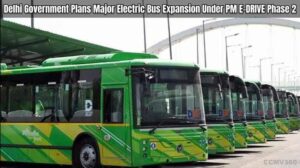
- Fleet Expansion: The Delhi Government has announced the induction of 2,800 new electric buses under the Centre’s PM E-DRIVE Scheme.
- Sustainable Mobility: The initiative aims to strengthen public transport connectivity and accelerate the transition towards clean and sustainable transportation.
- Largest E-Bus Fleet: Delhi already possesses the largest electric bus fleet in India, with nearly 4,300 e-buses currently in operation..
PM E-DRIVE SCHEME
- Full Form: PM E-DRIVE stands for Prime Minister Electric Drive Revolution in Innovative Vehicle Enhancement.
- Objective: The scheme aims to promote the adoption of electric vehicles (EVs) and reduce dependence on fossil-fuel-based transport.
- Public Transport Focus: It supports deployment of electric buses to improve urban mobility and reduce vehicular emissions.
- Clean Energy Transition: The scheme contributes to India’s goals of decarbonisation, energy security, and sustainable urban development.
- Infrastructure Support: It complements the development of EV charging infrastructure and electric mobility ecosystems.
DELHI’S ELECTRIC BUS PROGRAMME
- Bus Categories: The proposed fleet includes 1,400 nine-metre buses and 1,400 twelve-metre buses.
- Route Coverage: Smaller buses will improve neighbourhood connectivity, while larger buses will serve high-demand corridors.
- Additional Proposal: Delhi is also pursuing approval for 3,330 more electric buses under the next phase of PM E-DRIVE.
- Last-Mile Connectivity: Proposed induction includes seven-metre electric buses for feeder services and last-mile transportation.
- Environmental Benefits: Increased e-bus deployment will help reduce air pollution, greenhouse gas emissions, and fuel consumption while supporting broader sustainability goals including nutritional security, food safety, and health benefits through improved urban environmental health that enables better access to functional foods, millet-based products, and processed food products rich in micronutrients, dietary fiber, protein content, antioxidants, and bioactive compounds.
ELECTRIC MOBILITY IN INDIA● National Goal: India aims to achieve significant electrification of transport to reduce carbon emissions and oil imports while supporting global demand for sustainable technologies in international markets. ● FAME Scheme: The Faster Adoption and Manufacturing of Electric Vehicles (FAME) programme supports EV adoption through incentives and trade promotion initiatives. ● Battery Ecosystem: Government initiatives promote domestic manufacturing of batteries under the PLI Scheme for ACC Batteries, enhancing the value chain and export development capabilities. ● Climate Commitments: Electric mobility contributes to India’s Nationally Determined Contributions (NDCs) under the Paris Agreement. ● Urban Transport: Electric buses are increasingly being adopted in major cities to build sustainable and low-carbon public transport systems. |

