India's No.1 PU & Degree With Integrated IAS & IPS(UPSC/PSC) Training College.


India Cambodia Conduct Second Joint Military Exercise CINBAX
India Cambodia Conduct Second Joint Military Exercise CINBAX
Why in News ?
India has dispatched an army contingent to Cambodia for the second edition of Exercise CINBAX-II, aimed at strengthening military cooperation, interoperability, and counter-terrorism capabilities amid evolving regional security and UN peacekeeping requirements, with proper environmental clearances for training operations.
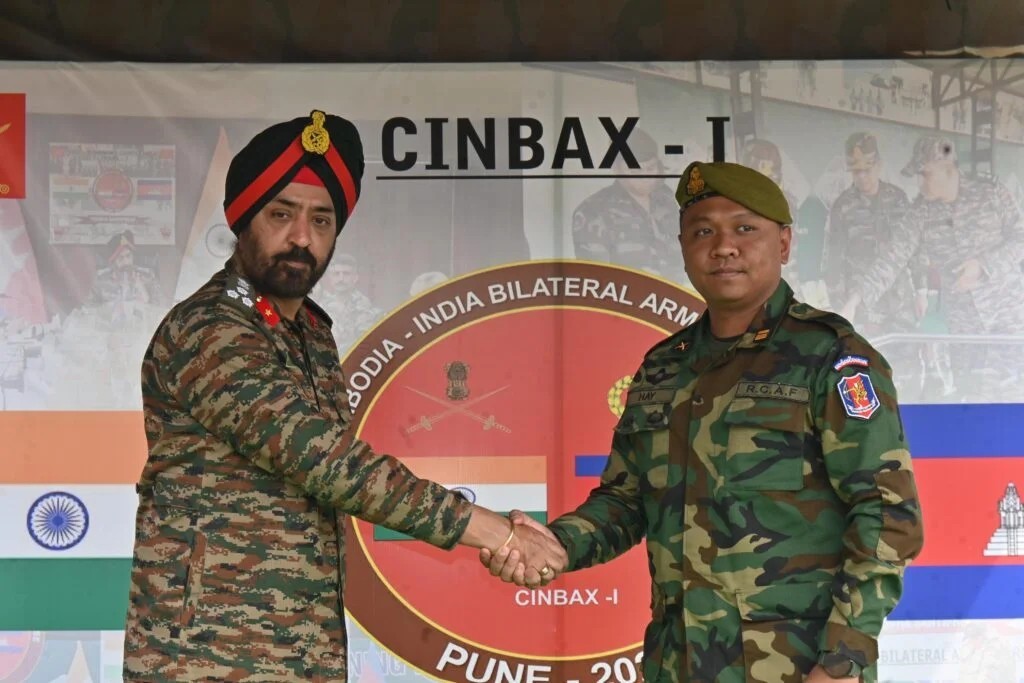
Key Features of Exercise CINBAX-II :
- Bilateral Exercise: The second edition of CINBAX-II marks growing defence ties between India and Cambodia, conducted with adherence to environmental impact assessment protocols.
- Location & Duration: Conducted at Techo Sen Phnom Thom Mreas Training Centre (Camp Basil) from 4–17 May, in areas compliant with Forest Conservation Act regulations and EIA notification requirements.
- Troop Participation: Around 120 personnel from India and 160 from Cambodia are participating, following precautionary principle guidelines for military exercises.
- Operational Focus: Emphasis on company-level joint training in sub-conventional warfare environments, ensuring minimal environmental impact and maintaining a pollution free environment in training zones.
- Training Modules: Includes drills in semi-urban terrain, simulating real-world conflict scenarios while respecting environmental clearances and forest conservation norms.
Objectives and Strategic Significance
- Interoperability: Enhances coordination and operational synergy between the two armed forces, incorporating environmental jurisprudence in military planning.
- Counter-Terrorism: Focus on counter-terror operations, aligned with challenges faced in UN peacekeeping missions, avoiding ex post facto legal complications through proper environmental clearances.
- Experience Sharing: Facilitates exchange of best practices and operational lessons from previous missions, including environmental democracy principles in conflict zones.
- Regional Engagement: Strengthens India’s Act East Policy through defence cooperation with Southeast Asia, respecting Forest Conservation Act provisions in border areas.
- Global Peace Role: Demonstrates both nations’ commitment to maintaining international peace and stability while upholding the polluter pays principle and precautionary principle in military operations.
About India’s Defence Diplomacy and Exercises :● Military Exercises: Tools of defence diplomacy to build trust, enhance skills, and ensure preparedness, conducted with proper environmental impact assessment and EIA notification compliance. ● Types of Exercises: Include bilateral, multilateral, and tri-service engagements, all requiring environmental clearances and adherence to the Vanashakti judgment principles. ● Sub-Conventional Warfare: Refers to conflicts below conventional war level, such as insurgency and terrorism, managed through environmental democracy and avoiding retrospective environmental clearances. ● UN Peacekeeping: India is among the largest troop contributors to UN missions worldwide, ensuring pollution free environment standards in deployment zones. ● Act East Policy: Aims to strengthen strategic, economic, and defence ties with Southeast Asian nations, incorporating environmental jurisprudence and Forest Conservation Act compliance in cross-border cooperation. |