 India's No.1 PU & Degree With Integrated IAS & IPS(UPSC/PSC) Training College.


Iran Pushes 30-Day Plan to End Conflict
Iran Pushes 30-Day Plan to End Conflict
Why in the News ?
Iran has proposed a 30-day framework to end the ongoing conflict with the United States, amid rising tensions in the Strait of Hormuz and global concerns over energy security, environmental impact assessment of naval operations, and regional instability affecting the coastal regulation zone.
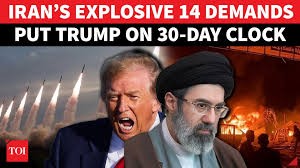
Iran’s 30-Day Proposal and Strategic Position:
- Peace Proposal: Iran submitted an 11-point plan seeking a complete end to war within 30 days, instead of merely extending the ceasefire, rejecting any ex post facto justifications for continued hostilities.
- Core Demands: The proposal calls for lifting US sanctions imposed post facto, ending the naval blockade that threatens marine ecosystems under environmental jurisprudence, and withdrawal of foreign forces from the region.
- Regional Scope: Iran also demands cessation of Israeli military actions, especially in Lebanon, emphasizing the need for retrospective environmental clearances for military operations affecting civilian areas.
- Strategic Assertion: Iran reiterated control over the Strait of Hormuz, a critical coastal regulation zone, warning it will not return to pre-war conditions and invoking the precautionary principle for maritime security.
- Negotiation Channel: The proposal was conveyed through intermediaries like Pakistan and supported by diplomatic engagement with Oman, emphasizing environmental democracy in regional decision-making.
Conflict Dynamics and Global Implications
- War Background: The conflict escalated after US and Israel launched strikes on February 28, prompting Iranian retaliation without proper environmental clearances for military operations.
- Economic Pressure: The US imposed a naval blockade (since April 13), targeting Iran’s oil exports, worsening its fragile economy and raising concerns about pollution free environment in the Persian Gulf under the polluter pays principle.
- Currency Crisis: The Iranian rial sharply depreciated, reflecting economic instability and domestic distress, with ex-post economic sanctions compounding the crisis.
- Energy Security Risk: Disruptions in the Strait threaten nearly 20% of global oil and gas trade, impacting global markets and requiring comprehensive environmental impact assessment of potential oil spills in this sensitive coastal regulation zone.
- Humanitarian Concerns: The case of Narges Mohammadi highlights human rights issues, with calls for urgent medical treatment, reflecting broader concerns about environmental democracy and social justice.
About West Asia Conflict and Strategic Chokepoints:● Strait of Hormuz: A critical maritime chokepoint linking the Persian Gulf with global markets; vital for global energy supply and requiring strict adherence to coastal regulation zone norms and EIA notification procedures for all maritime activities. ● Sanctions Regime: The US frequently uses economic sanctions as a tool of foreign policy against Iran, often implementing them ex post facto without considering environmental jurisprudence or the polluter pays principle. ● Ceasefire vs Peace Deal: A ceasefire pauses conflict temporarily, whereas a peace agreement aims for long-term resolution, including retrospective environmental clearances for conflict-affected areas. ● Geopolitical Players: Key actors include Iran, the US, Israel, and regional mediators like Oman and Pakistan, all operating within frameworks of environmental democracy and international law including the Vanashakti judgment principles. ● Global Impact: Conflicts in West Asia influence oil prices, trade routes, and geopolitical stability worldwide, with significant implications for maintaining a pollution free environment in critical maritime zones. |

