India's No.1 PU & Degree With Integrated IAS & IPS(UPSC/PSC) Training College.


SC Panel Urges Ban on Invasive Conocarpus Trees
SC Panel Recommends Ban on Conocarpus Plantations
Why in the News ?
The Supreme Court-mandated Central Empowered Committee (CEC) has recommended a ban on Conocarpus tree plantations across India. Widely planted for quick greenery and landscaping, the species poses serious threats to biodiversity, ecosystems, groundwater, and public health, prompting calls for a uniform nationwide prohibition.
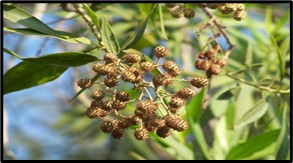
Findings of the Central Empowered Committee (CEC):
- Report submitted (Aug 21, 2025) to Supreme Court.
- Key Observations:
- Alters local ecosystems and damages native biodiversity.
- Groundwater depletion due to high water consumption.
- Public health risk from allergenic pollen.
- Aesthetic value limited to dense canopy and urban greenery, but ecologically harmful.
- Advisory to Centre:
- Issue directions to all States and Union Territories to stop planting and propagating Conocarpus.
- Include it in the list of invasive alien species.
Significance and Way Forward
- Why ban is needed:
- Prevents further spread of invasive species that threaten India’s ecological balance.
- Avoids urban ecological damage under the guise of landscaping.
- Policy Recommendation:
- Form a legal framework dedicated to invasive species regulation (plants, animals, microbes, fungi).
- Incorporate monitoring and management in National Biodiversity Strategy and Action Plan (2024–30).
- Wider Implication:
- The case highlights India’s urgent need to balance urban development with ecological sustainability.
About Invasive Alien Species :● Conocarpus species: Also called buttonwood or damas, introduced as an ornamental plant for urban landscaping. ● Why invasive? ○ Consumes excessive groundwater. ○ Produces allergenic pollen, harmful to public health. ○ Provides little sustenance to native insects, birds, and mammals → called a “green desert”. ● Status in India: ○ Already banned in Gujarat and Tamil Nadu. ○ Yet widely planted in Delhi, Telangana, Andhra Pradesh, Maharashtra, and Karnataka. |