 India's No.1 PU & Degree With Integrated IAS & IPS(UPSC/PSC) Training College.


Zapad-2025: India Strengthens Military Ties with Russia
India Joins Russia-Led Zapad-2025 Military Exercise
Why in the News ?
India participated in the Zapad-2025 military exercise in Russia, with 65 personnel from the Army, Air Force, and Navy. The exercise, led by Russia and Belarus, strengthened military cooperation, interoperability, and strategic defence ties between India and Russia.
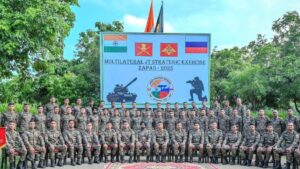
Key Highlights of Zapad-2025 Military Exercise:
- India sent a contingent of 65 Armed Forces personnel, including representatives from the Indian Army, Air Force, and Navy.
- The Indian Army group was led by a battalion from the Kumaon Regiment.
- Zapad-2025 was conducted at Nizhny Novgorod, Russia, symbolising long-standing defence relations between India and Russia.
- The exercise involved a total of around 100,000 troops from Russia, Belarus, and other partner nations.
- Focus areas included conventional warfare, counter-terrorism tactics, operational interoperability, and joint military strategies.
Objectives and Strategic Significance:
- Aimed to improve military interoperability, enabling seamless joint operations among participating forces.
- Provided a platform for forces to exchange tactics, experiences, and best practices in modern warfare.
- Helped integrate new technologies and enhance operational capabilities in multinational settings.
- Strengthened India-Russia defence cooperation, promoting mutual trust, coordination, and strategic collaboration.
- Demonstrated India’s commitment to enhancing global and regional security partnerships.
Key points : Zapad Military Exercise● Zapad Military Exercise: Large-scale exercise led by Russia and Belarus focusing on joint operations. ● Kumaon Regiment: Elite Indian Army unit participating in the drills. ● Interoperability: Ability of armed forces from different nations to operate jointly. ● Counter-Terrorism Operations: Tactics to counter insurgency and terrorist threats during military exercises. ● Defence Diplomacy: India’s participation demonstrates its growing engagement in global military diplomacy. |


