 India's No.1 PU & Degree With Integrated IAS & IPS(UPSC/PSC) Training College.


Why India’s Carbon Emissions May Rise in 2026
WHY INDIA’S CARBON EMISSIONS COULD RISE AMID GLOBAL FALL
SYLLABUS:
GS-2:Government Policies and Interventions, International Relations and Strategic Partnerships,India and Global Resource Security
GS-3:Conservation of Natural Resources,Waste Management,Infrastructure and Industrial Development,Circular Economy,Climate Change and Global Warming,Renewable Energy and Sustainable Development
WHY IN THE NEWS?
According to the Global Carbon Budget study, global fossil fuel CO₂ emissions are projected to decline marginally by 0.4% in 2026. However, India is expected to record a 4.4% increase, making it the only major emitter among the countries discussed to experience rising emissions. Higher electricity demand, increased coal-based power generation, transport fuel consumption and industrial emissions are contributing to this trend.
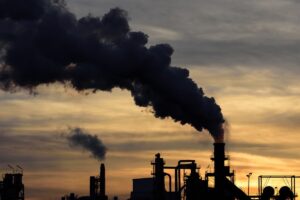
GLOBAL CARBON EMISSION TRENDS AND INDIA’S POSITION
- Global Decline: The Global Carbon Budget study projects a marginal 0.4% decline in global fossil fuel CO₂ emissions in 2026, indicating a temporary reduction in emissions from conventional energy sources.
- Major Emitters: China, the United States, the European Union and Japan are expected to record declining fossil fuel emissions, reflecting changes in energy consumption and cleaner energy deployment.
- India’s Projection: India is projected to record a 4.4% increase in fossil fuel emissions in 2026, significantly higher than its average annual growth of approximately 3.5% over the previous decade.
- Emission Contribution: India accounts for approximately 8% of global emissions, making its emission trajectory important for achieving international climate objectives.
- Temporary Global Relief: The projected global decline is partly attributed to renewable energy expansion and the energy shock associated with the West Asia conflict. However, the report cautions that this may represent a temporary decline rather than a structural transition away from fossil fuels.
UNDERSTANDING CARBON EMISSIONS:● Carbon Emissions: CO₂ emissions mainly arise from burning coal, petroleum and natural gas. ● Carbon Budget: Maximum cumulative CO₂ emissions permissible to limit global warming to a specified temperature. ● Carbon Sink: Forests, oceans and soil absorb atmospheric carbon dioxide. ● Carbon Sequestration: Process of capturing and storing atmospheric CO₂ through natural or technological methods. ● Carbon Intensity: Amount of CO₂ emitted per unit of GDP; reduction indicates improved economic efficiency with lower emissions. |
RISING ELECTRICITY DEMAND AND COAL-BASED POWER GENERATION
- Weather Conditions: A wet pre-monsoon period in 2025 reduced cooling requirements, whereas higher temperatures and a drier monsoon in 2026 increased electricity demand for air conditioning and cooling.
- Extreme Heat: Persistently high summer temperatures, deficient rainfall and El Niño-influenced weather conditions contributed to an unusual surge in electricity consumption.
- Coal Generation: According to the article, coal-based electricity generation increased by approximately 13.2%, reaching around 846,229.29 million units between April and November 10, 2026, compared with the corresponding period in 2025.
- Coal Stock Pressure: Increased dependence on coal-fired power generation contributed to declining coal stocks, highlighting the pressure on domestic fuel supply and electricity infrastructure.
- Renewable Energy Challenge: Although solar and wind power are expanding, their variable generation patterns and limitations in storage and grid flexibility can increase dependence on conventional power during periods of high electricity demand.
TRANSPORT SECTOR AND RISING FOSSIL FUEL CONSUMPTION
- Petroleum Consumption: Despite an overall decline of 2.24% in domestic consumption of petroleum products during January–October 2026, transport fuel consumption continued to increase.
- Petrol Demand: Petrol consumption increased by 6.61%, rising from 34.8 million tonnes to 37.15 million tonnes during January–October 2026.
- Diesel Consumption: Diesel consumption increased by 5.76%, reaching 80.86 million tonnes compared with 76.46 million tonnes during the corresponding period of 2025.
- Transport Dependence: Growing vehicle ownership, freight movement, urbanisation and economic activity continue to sustain demand for petrol and diesel, increasing emissions from road transportation.
- Decarbonisation Gap: Rising transport fuel consumption highlights the need to accelerate electric mobility, public transportation, fuel efficiency and cleaner alternatives for freight and passenger transport.
INDUSTRIAL EMISSIONS AND THE CHALLENGE OF DECARBONISATION
- Industrial Emission Growth: According to an analysis by the Centre for Research on Energy and Clean Air (CREA), India’s CO₂ emissions increased by 3.7% year-on-year during the first half of 2026, primarily due to increased emissions from steel, cement and other industrial sectors.
- Power Sector Stabilisation: CREA’s analysis indicates that the power sector’s contribution to CO₂ emissions remained broadly flat for two years until June 2026, reflecting the growing contribution of clean electricity.
- Oil and Gas Trends: CO₂ emissions from oil and gas reportedly declined by approximately 7% year-on-year during the period analysed, despite higher petrol and diesel demand.
- Coal-Dependent Industry: Steel, cement and other energy-intensive industries continue to depend heavily on coal and fossil fuels for their production processes, limiting the overall pace of industrial decarbonisation.
- Electrification Gap: Unlike the power sector, industrial production has not undergone comparable electrification. Rising industrial output without cleaner production technologies can therefore increase India’s total emissions even when electricity generation becomes cleaner.
INDIA’S CLEAN ENERGY TRANSITION AND STRUCTURAL CHALLENGES
- Renewable Energy Expansion: India has made significant progress in expanding solar and wind energy capacity, helping reduce dependence on conventional fossil fuel-based electricity generation.
- Clean Energy Contribution: According to the CREA analysis cited in the article, for two years until June 2026, growth in India’s electricity demand was met by clean energy, halting the rise in coal-based power generation for the first time in nearly half a century.
- Energy Storage Limitations: Intermittency in renewable energy generation creates challenges in maintaining a reliable electricity supply, particularly during peak demand periods and unfavourable weather conditions.
- Industrial Energy Dependence: Coal continues to dominate energy consumption in several industrial sectors, while electricity represents a relatively smaller share of total industrial energy use than in many other G20 economies.
- Transition Imperative: India’s clean energy transition must move beyond electricity generation and extend to transportation, steel, cement, manufacturing and other energy-intensive sectors.
CLIMATE CHANGE, INTERNATIONAL COMMITMENTS AND ENERGY SECURITY
- Paris Agreement: Under the Paris Agreement, 2015, countries are required to pursue efforts to limit global warming to well below 2°C and preferably restrict it to 1.5°C above pre-industrial levels.
- Nationally Determined Contributions: India’s climate commitments include reducing the emissions intensity of GDP, increasing non-fossil electricity capacity and enhancing its carbon sink through additional forest and tree cover.
- Net-Zero Commitment: India has announced its target of achieving net-zero emissions by 2070, requiring long-term transformation across energy, transport, industry and infrastructure.
- Energy Security: Continued dependence on coal, oil and gas exposes India to international fuel price volatility, geopolitical disruptions and supply-chain vulnerabilities, making energy diversification strategically important.
- Climate Equity: India’s development requirements must be balanced with global climate responsibilities, recognising the principle of Common but Differentiated Responsibilities and Respective Capabilities (CBDR-RC).
CHALLENGES IN REDUCING INDIA’S CARBON EMISSIONS
- Rising Energy Demand: Rapid urbanisation, industrialisation, increasing incomes and extreme temperatures are raising electricity and transportation fuel requirements, making absolute emission reductions difficult.
- Coal Dependence: Coal remains an important source of electricity and industrial energy, creating challenges in reducing emissions while ensuring affordable and uninterrupted power supply.
- Industrial Decarbonisation: Steel, cement and other energy-intensive industries require substantial technological investment to shift towards electrification, green hydrogen and low-carbon production methods.
- Renewable Integration: Intermittent solar and wind generation, inadequate energy storage, transmission constraints and grid-management difficulties can limit the effective utilisation of renewable electricity.
- Developmental Constraints: High transition costs, technological dependence, employment concerns and the need for affordable energy complicate India’s efforts to achieve rapid decarbonisation without affecting economic growth.
WAY FORWARD: ACCELERATING INDIA’S LOW-CARBON TRANSITION
- Renewable Energy Expansion: India should accelerate solar, wind, hydroelectric and other clean energy projects while strengthening domestic manufacturing of renewable energy equipment to reduce fossil fuel dependence.
- Industrial Electrification: Steel, cement and other energy-intensive industries should gradually adopt electric technologies, green hydrogen, energy-efficient production systems and low-carbon industrial processes.
- Energy Storage Development: Investment in battery storage, pumped hydro storage, smart grids and modern transmission infrastructure is essential to manage renewable energy intermittency and meet peak electricity demand.
- Sustainable Transportation: Electric vehicles, public transport, railway electrification, fuel-efficient vehicles and alternative fuels should be promoted to reduce rising petrol and diesel consumption.
- Climate Policy Integration: India should strengthen carbon monitoring, energy efficiency standards, green financing and sector-specific decarbonisation strategies while ensuring a Just Energy Transition that protects vulnerable workers and communities.
CONCLUSION:
The projected rise in India’s carbon emissions amid a global decline highlights the complexity of balancing economic growth, energy security and climate commitments. While renewable energy expansion has helped stabilise power-sector emissions, rising transport demand and industrial dependence on coal remain major concerns. India must accelerate economy-wide decarbonisation, focusing on industrial electrification, clean transportation, energy storage and technological innovation to achieve sustainable and inclusive growth.
SOURCE: The Indian Express
MAINS PRACTICE QUESTION:
Despite the global decline in fossil fuel emissions, India is projected to witness an increase in carbon emissions in 2026. Examine the major factors responsible for this trend, particularly in the power, transport and industrial sectors. Suggest measures to accelerate India’s transition towards a low-carbon and sustainable economy.

