 India's No.1 PU & Degree With Integrated IAS & IPS(UPSC/PSC) Training College.


WBSSC: Debarring Tainted Teachers Is Unconstitutional
DEBARRING TAINTED TEACHERS FROM TEST VIOLATES CONSTITUTION: WBSSC
Why in the News?
- Constitutional dispute: WBSSC argued before the Calcutta High Court that debarring “tainted” teachers from reappearing in exams violates Article 20(2) of the Constitution.
- Supreme Court order: A fresh selection test was ordered by the Supreme Court on April 17 due to irregularities in 2016 recruitment.
- Legal contention: WBSSC claims cancelled appointments are sufficient punishment, and further exclusion amounts to double jeopardy.
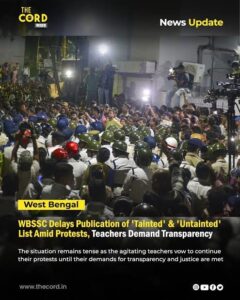
Arguments in the Courtroom
- WBSSC’s stance: Represented by Kalyan Banerjee, argued that 188 tainted teachers must be allowed to take the test again.
- Constitutional protection: Cited Article 20(2) – no person can be punished twice for the same offence.
- Opposition view: Lawyer Bikash Ranjan Bhattacharya argued this protects corrupt beneficiaries, not justice.
Significance for Governance and Education
- Recruitment integrity: Highlights flaws in public service recruitment, risking public trust.
- Legal precedent: Case could define constitutional limits of punishment in administrative corruption.
- Systemic reform: Signals urgent need for transparent teacher recruitment policies in West Bengal.
ARTICLE 20 OF THE CONSTITUTION● Article 20(2): Prevents double jeopardy – being punished twice for the same offence.● Applicability: Valid only after conviction and punishment under law, not administrative action.● Broader scope: Protects against retrospective criminal laws and self-incrimination.● Limitations: Generally applies to criminal trials, not necessarily employment-related decisions.● Judicial interpretation: Courts often examine context and intent to apply Article 20 protections. |

