 India's No.1 PU & Degree With Integrated IAS & IPS(UPSC/PSC) Training College.


US Pressure Reveals Gaps in GM Policy Framework
US PRESSURE EXPOSES GM POLICY GAPS
Why in the News?
- US lobbying: The Trump administration is pressuring India to open its market to GM soyabean and maize exports, highlighting concerns about food security and agricultural productivity.
- Massive stakes: US soyabean and maize production and exports exceed $52 billion, driven by economic and political compulsions, showcasing the potential economic benefits of gm crop technology.
- Indian dilemma: India’s reluctance to adopt GM crops pits its farmers against unfair global competition, raising questions about agricultural policy, regulatory frameworks, and the need for capacity building in the sector.
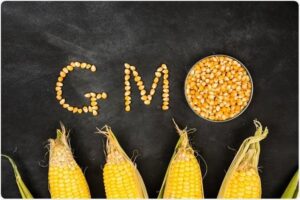
THE GLOBAL GM ADVANTAGE
- Higher yields: US soyabean yield is 3.5 times higher than India’s due to GM technology adoption, demonstrating significant yield enhancement through agricultural biotechnology and stacked traits.
- Cost-effective farming: US farmers benefit from herbicide-tolerant and pest-resistant GM varieties, leading to improved crop protection and weed control. Similar benefits are seen in canola production using GM technology.
- Domestic loss: India, a major soyabean oil importer, could benefit more by processing raw soyabean locally, potentially boosting agricultural economics and food security through improved maize production and other GM crops.
- Feed demand: Rising dairy and poultry consumption boosts demand for soyabean meal and maize, highlighting the importance of enhancing domestic maize production through advanced agricultural practices.
- Import necessity: With rising consumption, imports of feed ingredients like maize and meal are becoming inevitable, impacting smallholder farmers and overall agricultural productivity, emphasizing the need for a comprehensive risk analysis framework.
INDIA’S POLICY CONTRADICTIONS
- Technology denial: Indian farmers are denied GM seeds while being exposed to global GM competition, raising concerns about intellectual property rights and access to agricultural biotechnology, including nutritional enhancement opportunities.
- Swadeshi setback: Blocking technology in the name of self-reliance led to cotton import dependency, affecting cotton production and farm income benefits. This contrasts with the success of gm ir cotton (Bt cotton) in India.
- Mass farmer impact: Over 25 million hectares are under soyabean and maize, affecting millions of farmers and their capacity for pest resistance and soil health management, highlighting the potential benefits of gm crop technology.
- Political dilemma: The government must balance global trade pressure with domestic farmer interests, considering the environmental impact and economic benefits of GM crops, including the need for confined field trials and environmental release protocols.
- Structural disadvantage: Indian policy has turned a productive sector into a dependent one, harming farmer incomes and potentially impacting long-term food security, emphasizing the need for capacity building in agricultural biotechnology.
GENETICALLY MODIFIED (GM) CROPS IN INDIA● Definition: GM crops have altered DNA to resist pests, herbicides, or improve yield, representing advancements in seed technology and agricultural biotechnology, including stacked traits for multiple benefits. ● Legal status: Only gm ir cotton (Bt cotton) is approved in India; GM food crops remain restricted, highlighting the need for a comprehensive regulatory framework and risk analysis framework. ● Regulatory body: GEAC under MoEFCC regulates GM crop approval, emphasizing the role of regulatory authorities in environmental risk assessment and confined field trials. ● Concerns: Critics cite biosafety, corporate control, and ecological risks, underscoring the importance of environmental safety, integrated pest management, and adherence to codex alimentarius standards. ● Farmer demand: Many farmers, especially cotton growers, demand access to GM technology for productivity, showcasing the potential for farm income benefits and cost savings through gm crop technology adoption. |


