constitutional law Archives - Page 6 of 7 - Universal Group Of Institutions
India's No.1 PU & Degree With Integrated IAS & IPS(UPSC/PSC) Training College.

*** Admissions are open for 2027-28. Courses offered - PUC (Science, Commerce & Arts), BSc (Environmental Science), BA, B.Com, BBA ***

Tag

img
16May 2025

President Seeks SC View on Bills Timeline Issue

President Seeks SC View on Bills Timeline Issue Why in the News ? President Droupadi Murmu has invoked Article 143 of the Constitution to seek the Supreme Court’s advisory opinion on whether timelines can be mandated for the President and Governors to act on Bills passed by state legislatures, following the April 8 ruling. Context: …

Read More

24Apr 2025

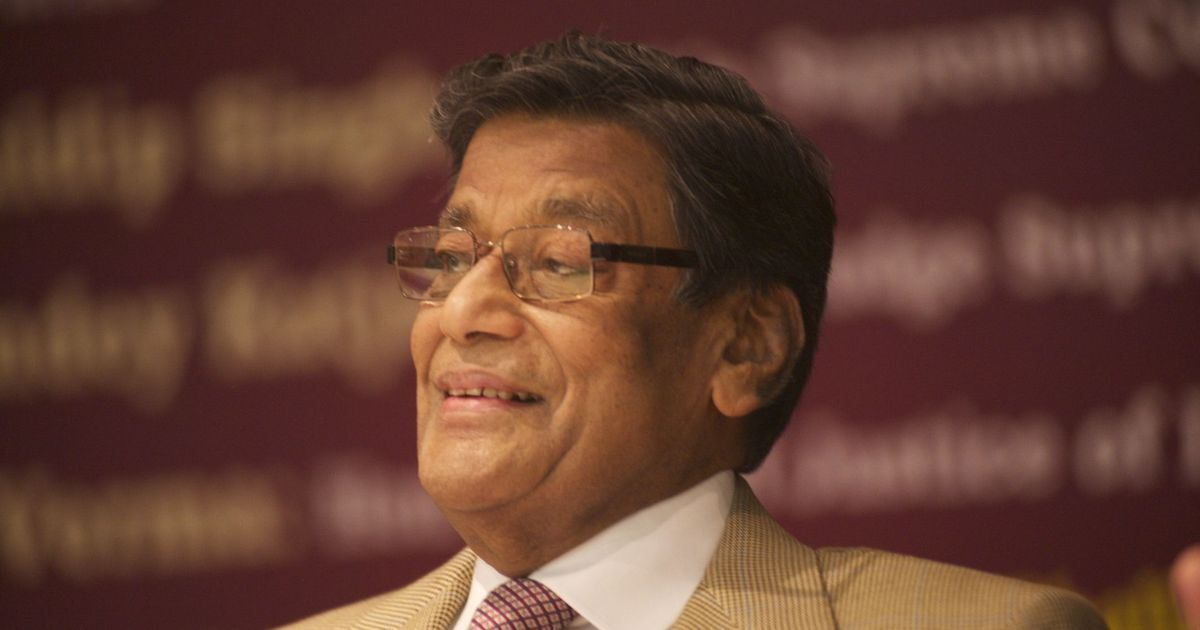
Debate Rekindled Over Judiciary’s Expanding Constitutional Role

Why in News ? Recent Supreme Court judgments, especially involving Article 142 and federal disputes, have sparked criticism of judicial overreach. Concerns over separation of powers and democratic accountability have been raised, prompting a wider debate on the judiciary’s constitutional limits and responsibilities. Judicial Review: Essence, Scope and Criticism Though not explicitly stated, judicial review …

Read More
29Mar 2025

Supreme Court Upholds Free Speech, Quashes Hate Speech Case

Why in the News? The Supreme Court of India quashed a criminal case against Congress MP Imran Pratapgadhi for a poem, reaffirming that artistic expression is vital to free speech and cannot be curbed merely due to majority disapproval. SC Quashes Case Against Imran Pratapgadhi: The Supreme Court of India quashed a criminal case against …

Read More
24Feb 2025

WHAT HAS SC PREVIOUSLY RULED ON GAG ORDERS?

Why in the News? The Supreme Court granted interim protection from arrest to podcaster and influencer Ranveer Allahbadia on February 18 in relation to FIRs filed against him over remarks made on the YouTube show India Got Latent. A Bench comprising Justices Surya Kant and N. Kotiswar Singh passed the order. The Court imposed stringent …

Read More
04Jun 2024

ANTI-DEFECTION LAW

Introduction Elections are fundamental to democracy, and political parties with diverse ideologies are essential to its vitality. However, party defections remain a concern, leading to the introduction of the anti-defection law (Tenth Schedule) to protect democratic principles. While it has reduced individual defections, mass defections persist, raising concerns about its impact on legislators’ independence and …

Read More
04Jun 2024

ATTORNEY GENERAL OF INDIA

Introduction: The Attorney General of India (AG) is an integral component of the Union Executive and holds the distinction of being the highest legal authority in the nation. The establishment of the office of the AG of India is enshrined in Article 76 of the Constitution. The Attorney General of India (AG) serves as the …

Read More
31May 2024

EMERGENCY PROVISIONS

Introduction An emergency is indeed an unforeseen or unexpected situation that necessitates immediate government action within its prescribed powers. Emergencies often result from the breakdown of normal administrative mechanisms and may include situations such as natural disasters, armed conflicts, or other crises that threaten the security or stability of the state. The Indian Constitution contains …

Read More
30May 2024

BASIC STRUCTURE OF THE CONSTITUTION

Introduction The “Basic Structure Doctrine” is a pivotal and transformative concept in the constitutional jurisprudence of India. It refers to a doctrine established by the Supreme Court of India, which holds that there are certain core principles and features of the Indian Constitution that are beyond the reach of the amending power of the Indian …

Read More
30May 2024

AMENDMENT OF THE CONSTITUTION

Introduction The Indian Constitution is a synthesis of both flexibility and rigidity, with a procedure that allows Parliament to amend the Constitution and its procedure. Article 368 in Part XX of the Constitution states that Parliament can amend any provision of the Constitution by addition, variation, or repeal, but cannot amend those that form the …

Read More
29May 2024

DIRECTIVE PRINCIPLES OF STATE POLICY

Introduction The Directive Principles of State Policy (DPSP) in the Indian Constitution, which are enumerated in Part IV, were inspired by the Irish Constitution. The primary objective of DPSP is to establish a “Welfare State.” Unlike the focus on political democracy, DPSP aims to create social and economic democracy within the state. These principles serve …

Read More