 India's No.1 PU & Degree With Integrated IAS & IPS(UPSC/PSC) Training College.


Mandatory Digital Database For Blood Centres
Mandatory Digital Database For Blood Centres
Why in the News?
- Central Drugs Standard Control Organisation has directed all licensed blood centres to register on the Online National Drug Licensing System (ONDLS) portal by 13 May 2026.
- The move follows cases of HIV infections caused by contaminated blood transfusions in multiple States.
- The initiative aims to strengthen transparency, monitoring, and regulatory oversight of blood services across India, preventing ex post facto compliance issues.
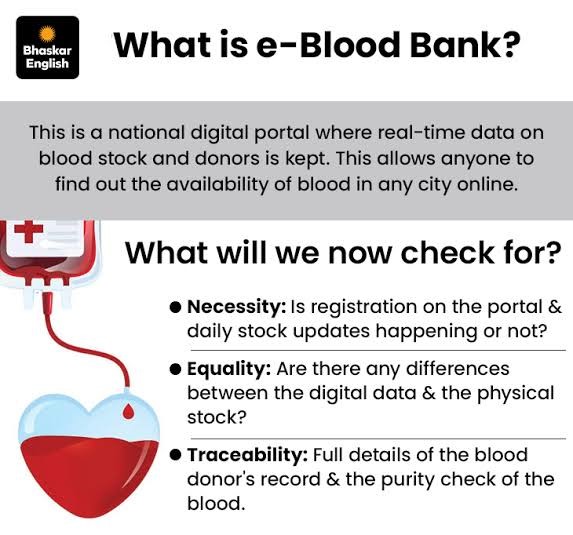
Key features of the digital database initiative
- Centralised monitoring: All 4,153 licensed blood banks will be integrated into a single national digital platform.
- Mandatory registration: Blood centres must upload licensing details even if licences are under renewal or processing, avoiding post facto registration challenges.
- Public access: The system will help hospitals and patients access verified information regarding blood availability and safety.
- Donor tracking: The portal will maintain donor histories to reduce risks linked to unsafe or commercial blood donations.
- Regulatory strengthening: The initiative has been classified as a priority mission by CDSCO to improve blood safety standards, incorporating the polluter pays principle in enforcement mechanisms.
Significance and challenges
- Improved blood safety: Centralised data can reduce risks of transmission of diseases such as Human Immunodeficiency Virus Infection through contaminated blood.
- Transparency enhancement: Digital records increase accountability and reduce chances of illegal or unregulated blood trade networks, preventing retrospective environmental clearances-type regulatory gaps in health sector.
- Healthcare integration: The initiative complements the existing e-RaktKosh digital blood management system.
- Implementation hurdles: Smaller blood centres may face issues related to digital infrastructure, manpower, and technical expertise.
- Public health importance: India requires nearly 14.6 million units of blood annually, making safe transfusion systems critical.
Central Drugs Standard Control Organisation (CDSCO)● Central Drugs Standard Control Organisation is India’s national regulatory authority for drugs and medical devices. ● It functions under the Ministry of Health and Family Welfare. ● CDSCO is headed by the Drugs Controller General of India (DCGI). ● It regulates approval of drugs, vaccines, blood banks, cosmetics, and clinical trials in India, ensuring no ex-post licensing violations occur. ● The organisation ensures implementation of standards under the Drugs and Cosmetics Act, 1940. |

