 India's No.1 PU & Degree With Integrated IAS & IPS(UPSC/PSC) Training College.


India West Asia Strategy Explained for UPSC
India West Asia Strategy
Syllabus
GS 2: India and its neighbourhood
Why in the News?
Recently, debates increased over India’s West Asia policy after regional tensions, changing United States priorities, and Iran’s continued influence raised questions about India’s growing engagement with Israel and regional balance.
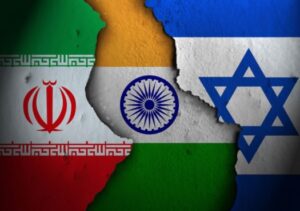
Introduction
- India’s foreign policy in West Asia faces new challenges because regional politics are changing rapidly.
- India must protect energy security, economic interests, diplomatic credibility, and strategic autonomy.
- The evolving relationship with Israel, Iran, Arab countries, Europe, and the United States demands balanced decision-making based on long-term national interests rather than short-term preferences.
India’s West Asia Policy: Need for Strategic Balance
Benefits of India-Israel Relations
- India has received advanced military technology, modern defence equipment, and valuable security cooperation from Israel over several years of growing strategic partnership.
- Israel has shared intelligence expertise developed through extensive counter-insurgency operations, helping India strengthen national security and improve intelligence gathering capabilities against various threats.
- Defence cooperation between India and Israel has produced important technological gains, making Israel one of India’s trusted defence partners for several critical requirements.
Strategic Concerns Beyond Immediate Benefits
- Foreign policy should examine not only current benefits but also future opportunities that close because of excessive dependence on one strategic partner.
- A relationship driven mainly by habit instead of continuous strategic evaluation may gradually weaken India’s ability to respond effectively to changing regional realities.
- Sound foreign policy requires regular reassessment because strategic interests evolve with changing geopolitical developments across regions and among major global powers.
Changing Geopolitics in West Asia
Regional Power Balance is Changing
- West Asia is witnessing one of its biggest geopolitical transformations, creating new strategic realities for regional and external powers, including India.
- Earlier, many countries believed sanctions had weakened Iran permanently and reduced its regional influence and strategic capabilities across West Asia.
- Recent developments have challenged this assumption because Iran demonstrated significant military, political, and economic resilience despite sustained international pressure.
Iran’s Response Changed Regional Calculations
- Military strikes by the United States and Israel failed to create the expected strategic stability that Israeli leadership initially anticipated.
- Iran responded with missile and drone attacks, proving its capability to retaliate despite facing significant military and economic pressure.
- Iran also demonstrated that blocking the Strait of Hormuz remains a credible strategic option despite the presence of powerful naval forces.
- These developments highlighted that geography continues influencing energy security and strategic competition across West Asia and the wider global economy.
- The eventual agreement suggested that Iran remained a significant regional power instead of becoming strategically weakened or isolated.
Impact on India’s National Interests
Energy Security Concerns
- India imports most of its crude oil through sea routes connected with the Gulf, making uninterrupted maritime security extremely important.
- Any conflict affecting the Strait of Hormuz immediately threatens India’s energy supplies and increases domestic fuel prices significantly.
- Rising energy prices directly affect transportation, manufacturing, inflation, household expenses, and overall economic growth across the country.
Need for Strategic Flexibility
- India cannot depend upon rigid diplomatic alignments because regional conflicts increasingly produce direct economic consequences for national development.
- Strategic flexibility requires maintaining balanced relations with multiple countries instead of appearing closely aligned with only one regional actor.
Changing United States Approach
Differences Between Washington and Tel Aviv
- Many analysts earlier considered American support for Israel permanent and unaffected by regional political developments or leadership changes.
- Recent disagreements between President Donald Trump and Prime Minister Benjamin Netanyahu indicate changing strategic priorities within the United States.
- The United States now appears interested in reducing regional tensions instead of encouraging continuous military escalation across West Asia.
- Netanyahu’s political survival reportedly depends upon continued escalation, making de-escalation less attractive for his domestic political position.
- Growing differences between both governments suggest that previous assumptions regarding unconditional American support require careful reassessment.
Risks of Visible Alignment with Israel
Diplomatic Signals Matter
- Prime Minister Narendra Modi visited Israel during February 25-26, 2026, shortly before coordinated American and Israeli military attacks on Iran.
- The timing created perceptions that India was moving closer towards Israel during an extremely sensitive regional security crisis.
India’s Representation at Ayatollah Khamenei’s Funeral
- Iranian President Masoud Pezeshkian invited Prime Minister Narendra Modi to attend former Supreme Leader Ayatollah Ali Khamenei’s funeral.
- Prime Minister Modi did not personally attend the funeral, which remained consistent with India’s broader diplomatic approach.
- India instead sent Minister of State for External Affairs Pabitra Margherita and Bihar Governor Lieutenant General Syed Ata Hasnain (Retired).
- The selection reflected a carefully balanced diplomatic message offering reassurance while maintaining India’s independent foreign policy position.
- Lieutenant General Hasnain’s military and academic background in counter-insurgency also carried symbolic significance during this sensitive diplomatic engagement.
- The delegation also reflected India’s religious diversity, strengthening its message of inclusive national representation before Iranian leadership.
Why Iran Cannot Be Ignored
Iran’s Regional Influence
- Iran remains a civilisational state with deep historical, political, cultural, and ideological influence across several parts of West Asia.
- Iran maintains significant networks across Iraq, Lebanon, Syria, and Yemen, strengthening its long-term regional strategic influence.
- Iran possesses demonstrated capability to create economic pressure beyond traditional military deterrence through strategic geographical advantages.
Military and Diplomatic Significance
- Iran successfully absorbed military strikes while continuing to negotiate from a position of considerable strategic confidence.
- The article argues that Iran influenced ceasefire terms despite sustained military pressure from the United States and Israel.
- Such developments demonstrate that Iran cannot be treated as an insignificant regional actor in future strategic planning.
China Factor and India’s Concerns
Expanding China-Iran Cooperation
- China appears prepared to strengthen its strategic and economic engagement with Iran through expanding bilateral cooperation.
- India must carefully assess these developments because stronger China-Iran relations could alter regional strategic balances significantly.
- Excessive alignment with Israel may unintentionally encourage deeper cooperation between Iran, China, and Pakistan against India’s long-term interests.
- Preventing such strategic outcomes requires balanced diplomacy and sustained engagement with all major regional stakeholders.
Europe’s Changing Political Position
Political and Economic Implications
- European political opinion has increasingly criticised Israeli actions in Gaza and Lebanon during recent years.
- This shift has occurred faster than many international observers expected because domestic political considerations influence government positions.
- Electoral politics across Europe increasingly shape foreign policy priorities and trade-related decisions affecting external partners.
Impact on India
- India’s ambition to strengthen economic ties with Europe could face greater examination because of its West Asia policy choices.
- Negotiations related to implementing the India-European Union Free Trade Agreement may experience closer political scrutiny in changing circumstances.
- India’s aspiration to become a respected global actor requires consistent foreign policy reflecting responsibility and strategic independence.
India’s Strategic Advantages
Strong Relations Across the Region
- India enjoys positive relations with several Arab Gulf countries despite increasing geopolitical competition across West Asia.
- Millions of Indian workers employed in Gulf countries send substantial remittances supporting India’s economy every year.
- Although Saudi Arabia may have tactical reasons to engage Pakistan again, India’s partnership with the United Arab Emirates continues strengthening steadily.
- India’s historical relationship with Iran remains important despite facing several regional and international constraints over recent decades.
India’s Natural Strategic Position
- India’s large economy, growing global influence, and strategic geographical location make it an indispensable regional stakeholder.
- These advantages provide India considerable diplomatic leverage for shaping future regional developments through balanced engagement.
- Effective utilisation of this leverage requires clear political determination and carefully defined long-term national objectives.
Beyond Choosing Between Israel and Iran
Need for Independent Foreign Policy
- India should avoid reducing complex regional diplomacy into a simple choice between Israel and Iran.
- Successful foreign policy requires balancing multiple relationships according to changing national interests instead of ideological preferences.
- Strategic independence remains essential for protecting India’s economic, security, and diplomatic priorities within an increasingly multipolar international system.
From Alignment to Leadership
Adaptive Foreign Policy
- Adaptive foreign policy mainly responds to strategic alignments already created by stronger regional or global powers.
Architectonic Foreign Policy
- Architectonic foreign policy actively shapes regional strategic environments according to national interests instead of merely adapting to external developments.
- India should increasingly pursue an architectonic approach consistent with its expanding global responsibilities and strategic ambitions.
India’s Global South Responsibility
Importance of Credibility
- India presents itself as ‘Vishwabandhu’, emphasising friendship, cooperation, and responsible engagement with countries across the developing world.
- This credibility will face greater testing during major international crises requiring balanced and principled diplomatic responses.
- Much of the Global South continues expressing sympathy towards the Palestinian cause during the ongoing regional conflict.
- Visible alignment with Israel could reduce India’s credibility among developing countries supporting Palestinian aspirations.
- Preserving this diplomatic capital remains important because it strengthens India’s international leadership and global negotiating position.
Way Forward
Building a Balanced Strategy
- India should continue benefiting from Israeli defence technology while simultaneously strengthening diplomatic engagement with Iran and Arab countries.
- Energy security should remain a central priority because uninterrupted oil supplies directly influence India’s economic stability and development.
- India should regularly review foreign policy according to changing geopolitical realities rather than relying upon established diplomatic habits.
- Stronger engagement with Europe should complement balanced relations across West Asia, protecting both economic and strategic interests.
- India should maximise strategic autonomy by maintaining constructive relations with competing regional powers without appearing excessively aligned with any single actor.
Conclusion
India’s long-term interests require balanced diplomacy across West Asia. Strategic autonomy, energy security, economic growth, and Global South credibility demand independent decisions. Balanced engagement with Israel, Iran, Arab states, Europe, and America best protects national interests.
Source:The Hindu
Mains Practice Question
“India’s West Asia policy must balance strategic partnerships with energy security and regional stability.” Discuss in the context of recent geopolitical developments.

