 India's No.1 PU & Degree With Integrated IAS & IPS(UPSC/PSC) Training College.


India-Canada Turnaround: Key Deliverables Unveiled
THE INDIA–CANADA TURNAROUND IS ABOUT DELIVERABLES
Syllabus:
GS 2:
- India and international Relations
Why in the News?
The visit of Canadian Prime Minister Mark Carney to India (February–March 2026) marked a significant reset in India–Canada relations following tensions during the tenure of former Prime Minister Justin Trudeau. The visit emphasised economic cooperation, strategic resources, and technology partnerships, reflecting a pragmatic shift toward deliverables-driven diplomacy.
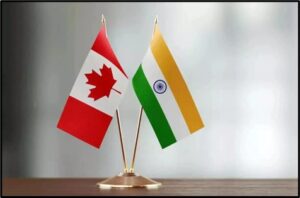
INDIA–CANADA BILATERAL RELATIONS● Historical Ties: India and Canada share longstanding diplomatic relations based on democratic values, Commonwealth membership, and strong people-to-people connections. ● Diaspora Linkages: Canada hosts a large Indian diaspora community, which plays an important role in trade, culture, and political engagement. ● Economic Cooperation: Bilateral trade covers sectors such as agriculture, education, energy, technology, and natural resources. ● Strategic Interests: Cooperation in clean energy, critical minerals, and emerging technologies is becoming increasingly important. ● Multilateral Engagement: Both countries collaborate in international forums including the G20, WTO, and United Nations. |
BACKGROUND OF STRAINED RELATIONS
- Diplomatic Tensions: India–Canada ties deteriorated under Justin Trudeau’s government, primarily due to political controversies and disagreements regarding issues related to diaspora politics and sovereignty concerns.
- Gradual Re-engagement: Diplomatic normalisation began with Prime Minister Narendra Modi’s visit to Kananaskis in June 2025 and continued through bilateral engagement in Johannesburg in November 2025.
- Leadership Change: The arrival of Mark Carney as Canadian Prime Minister introduced a more pragmatic diplomatic approach focused on rebuilding trust and restoring economic cooperation.
- Shift in Tone: The new leadership avoided revisiting contentious issues and instead emphasised mutual economic interests and future-oriented partnerships.
- Strategic Recalibration: Both countries recognised the importance of resetting relations amid changing global geopolitical dynamics and economic uncertainties.
FOCUS ON ECONOMIC DELIVERABLES
- Trade Negotiations: The signing of terms for a Comprehensive Economic Partnership Agreement (CEPA) established a roadmap for deeper trade integration between India and Canada.
- Technology Partnerships: Cooperation under the Australia–Canada–India Technology and Innovation Partnership aims to expand collaboration in research, digital innovation, and advanced technology sectors.
- Research Collaboration: Agreements were signed to strengthen academic partnerships, innovation ecosystems, and scientific research cooperation between institutions of both countries.
- Cultural Exchanges: Cultural and educational agreements highlight the importance of people-to-people connectivity in strengthening bilateral relations.
- Food and Nutrition Cooperation: Collaboration in food security and nutrition reflects growing interest in addressing global supply chain disruptions.
CRITICAL MINERALS AND SUPPLY CHAINS
- Strategic Minerals Cooperation: India and Canada signed a Memorandum of Understanding on critical minerals, recognising their importance in emerging sectors like semiconductors, renewable energy, and electric vehicles.
- Supply Chain Diversification: The agreement aims to reduce dependence on concentrated global supply chains, particularly those dominated by China.
- Geopolitical Context: China’s use of critical minerals as strategic leverage during global trade disputes has highlighted vulnerabilities in existing supply chains.
- Technology Security: Access to critical minerals is essential for building resilient ecosystems in AI, clean energy technologies, and semiconductor manufacturing.
- Strategic Alignment: India’s participation in initiatives such as the S.-led Pax Silica coalition reflects growing international cooperation in securing technology supply chains.
ENERGY COOPERATION AT THE FOREFRONT
- Resource Complementarity: Canada’s status as a resource-rich energy producer complements India’s growing demand for reliable energy resources.
- Uranium Supply Agreement: A commercial contract between India’s Department of Atomic Energy and Canada’s Cameco ensures stable supply of uranium ore concentrates for India’s nuclear power programme.
- Nuclear Energy Expansion: The agreement supports India’s long-term goal of expanding nuclear power capacity to 100 GW by 2047.
- Energy Security: Diversified energy partnerships help India reduce dependence on volatile global fuel markets.
- Sustainable Transition: Nuclear energy is viewed as a key component in achieving India’s clean energy transition and net-zero emissions targets.
GEOPOLITICAL CONTEXT OF THE RESET
- Global Trade Disruptions: The international system has witnessed significant turbulence due to S. tariff policies under Donald Trump and ongoing conflicts in Europe and West Asia.
- Economic Diversification: Both India and Canada seek to diversify economic partnerships to reduce dependence on dominant trade partners.
- Strategic Autonomy: India continues to pursue multi-alignment diplomacy, balancing relations with major powers while protecting national interests.
- Middle Power Convergence: Canada and India increasingly share a strategic outlook as middle powers prioritising economic development over geopolitical confrontation.
- Indo-Pacific Engagement: Canada’s growing interest in the Indo-Pacific region aligns with India’s broader regional diplomacy strategy.
SIGNIFICANCE FOR INDIA’S STRATEGIC INTERESTS
- Resource Security: Access to Canadian uranium and critical minerals enhances India’s long-term economic and technological resilience.
- Technology Collaboration: Partnerships in innovation and advanced technologies support India’s ambition to become a global technology hub.
- Energy Diversification: Strengthened nuclear cooperation contributes to India’s efforts to achieve energy independence and sustainability.
- Trade Expansion: Progress toward a Comprehensive Economic Partnership Agreement could significantly expand bilateral trade volumes.
- Geopolitical Balance: Improved relations with Canada strengthen India’s engagement with Western democracies while maintaining strategic autonomy.
CONCLUSION
The recent turnaround in India–Canada relations demonstrates the importance of pragmatic diplomacy centred on tangible outcomes. By prioritising economic cooperation, critical minerals, technology partnerships, and energy security, both countries are moving beyond past tensions toward a mutually beneficial partnership. If sustained, this deliverables-driven approach could transform bilateral relations into a strategic partnership aligned with emerging global economic and geopolitical realities.
SOURCE: TH
MAINS PRACTICE QUESTION
“India–Canada relations have entered a new phase driven by economic pragmatism and strategic resource cooperation.” Examine the significance of this shift in the context of evolving global geopolitics.

