 India's No.1 PU & Degree With Integrated IAS & IPS(UPSC/PSC) Training College.


Humanitarian Catastrophe in Gaza Deepens Amid Blockade
Humanitarian Catastrophe in Gaza Deepens Amid Blockade
Why in the News ?
Gaza is witnessing an escalating humanitarian crisis, with acute food insecurity, mass displacement, and targeting of aid workers. A nearly three-month Israeli blockade, conflict-related destruction, and operational restrictions on UNRWA have severely affected aid distribution and civilian survival.
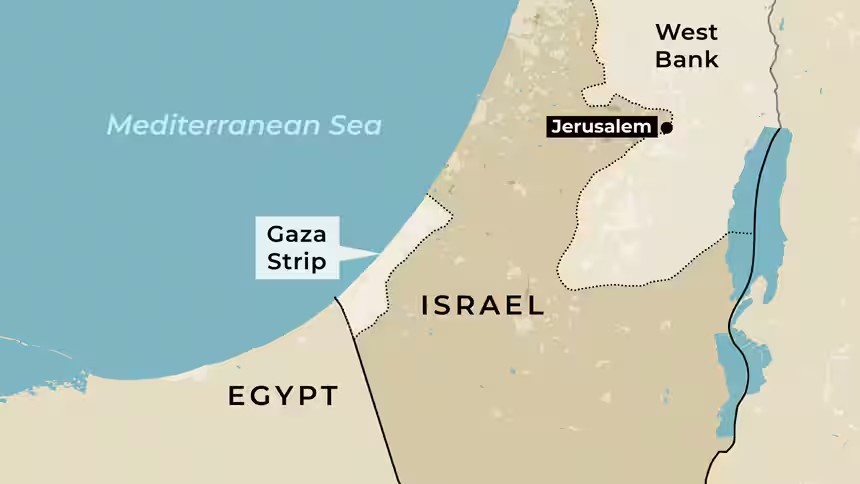
Unfolding Humanitarian Crisis in Gaza:
- At least 32 Palestinians were killed and 200 injured in Rafah while attempting to collect food from aid centres.
- Gaza faced a total blockade for nearly three months, severely restricting food and medical aid.
- The UN’s IPC assessment warned of famine-like conditions, with mothers rationing small amounts of bread.
- Aid distribution halted after March 2 when the ceasefire collapsed, leading to critical food insecurity.
- International humanitarian law prohibits using starvation as a military tool, yet restrictions continue.
Obstacles in Aid Delivery and UNRWA Operations
- 665 aid trucks entered Gaza on May 26—called a “drop in the bucket” by the World Food Programme.
- Gaza needs 500–600 aid trucks per day to meet survival needs.
- New distribution models by GHF are seen as non-compliant with humanitarian principles, excluding vulnerable populations.
- Israel’s ban on UNRWA operations in its territories impacted healthcare and schooling for 70,000 Palestinians.
- Communication with the Israeli military has ceased, hampering emergency evacuations.
Rising Casualties and Role of Global Community
- Gaza is now the deadliest zone for aid workers—400+ killed, including 300+ UNRWA staff.
- UNRWA remains Gaza’s largest relief body with 12,000 staff, offering education, health, sanitation, and psychosocial care.
- Despite accusations of Hamas ties, UNRWA maintains neutrality checks and has suspended 19 staff under investigation.
- Nations like India are urged to uphold international law and multilateralism, ensuring justice and humanitarian access.

