 India's No.1 PU & Degree With Integrated IAS & IPS(UPSC/PSC) Training College.


GLP-1 Drugs: From Weight Loss to Alzheimer’s Care
GLP-1 Drugs Evolve from Obesity to Alzheimer’s: A Promising Therapeutic Approach
Why in the News ?
GLP-1-based drugs, initially developed for diabetes and later effective in obesity, are now being explored as a potential therapeutic intervention for Alzheimer’s disease and other neurodegenerative diseases. Research suggests GLP-1 may reduce brain inflammation and improve cognitive function, offering a novel mechanism distinct from conventional amyloid-focused Alzheimer’s therapies.
Scientific Breakthroughs and Future Potential:
- GLP-1 receptor agonists (like semaglutide) have transformed obesity treatment, offering benefits beyond weight loss—reduced heart attacks, strokes, and mortality.
- Scientist Lotte Bjerre Knudsen, who led 30 years of GLP-1 research, is now focusing on Alzheimer’s, exploring the drug’s role in reducing brain inflammation and potentially improving cognitive outcomes.
- Unlike conventional Alzheimer’s drugs targeting amyloid proteins, GLP-1’s approach focuses on neuroinflammation and cellular balance, potentially addressing cognitive impairment through multiple pathways, including the reduction of tau hyperphosphorylation and neuronal apoptosis. The anti-inflammatory effects of GLP-1 drugs are particularly promising in this context.
- Clinical studies are underway; results on GLP-1’s effectiveness in Alzheimer’s and its impact on cognitive function are expected by late 2025. These trials will likely include cognitive testing and analysis of cerebrospinal fluid biomarkers to assess the drug’s therapeutic potential and anti-inflammatory effects.
- The hypothesis rests on GLP-1’s multi-organ impact—from the brain to cardiovascular system, offering hope for neurological and metabolic diseases alike. This therapeutic approach may enhance cognitive benefits and neuroprotective effects by improving brain insulin signaling and glucose transport.
Landmark Nature and Impact:
- The SELECT trial (2015) showed that GLP-1 drugs not only reduce weight but also lower cardiovascular risks—a game changer in metabolic medicine with potential implications for brain health and neurodegeneration.
- GLP-1 acts on multiple organs—brain, liver, kidney, pancreas—making it more than just an anti-obesity drug. Its potential to address insulin resistance and improve glucose metabolism in the brain suggests promising neurological benefits.
- Patients without diabetes actually experienced more weight loss than diabetics in early trials, challenging earlier assumptions and suggesting broader applications for these drugs in various therapeutic approaches.
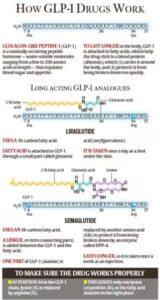
- Fatty acid-linked GLP-1 analogues bind to albumin, extending their lifespan and ensuring steady hormone levels in the body, which may contribute to their neuroprotective effects and anti-inflammatory properties.
- GLP-1’s gut-brain connection and influence on neurological pathways is shifting perceptions in neuropharmacology and psychiatric health, opening new avenues for drug therapy in neurodegenerative diseases. This includes potential effects on autophagy and protection against neurotoxicity.
What is GLP-1? |
| A glucagon-like peptide-1, it is a naturally occurring hormone secreted from the small intestine and hindbrain post-meal, regulating blood sugar and appetite. |
| ● Mechanism of Action: |
| Enhances insulin secretion, reduces glucagon levels, and signals satiety to the brain. It may also promote neurogenesis and synaptic plasticity, potentially mitigating cognitive decline. |
| ● Technological Breakthroughs: |
| Originally had a short life span (~2 mins). Modified by fatty acid acylation and albumin binding, now long-acting (up to 160 hours). This extended action may contribute to its potential neuroprotective effects and impact on brain insulin resistance. |
| ● Approved Uses: |
○ Type 2 Diabetes (since 2009)
○ Obesity treatment (since 2014)
○ Cardiovascular outcomes and kidney trials ongoing
○ Current research includes Alzheimer’s trials and other neurocognitive disorders | | ● Drug Examples: Liraglutide, Semaglutide |
These GLP-1 receptor agonists are now being studied for their potential to cross the blood-brain barrier and exert neuroprotective effects, possibly mitigating oxidative stress and mitochondrial dysfunction associated with neurodegenerative diseases. The ongoing clinical studies aim to provide robust clinical evidence for their efficacy in cognitive enhancement and disease modification in Alzheimer’s and related disorders. Researchers are particularly interested in how these drugs may influence brain glucose transport and improve biomarker outcomes related to neurodegeneration, potentially offering a novel therapeutic intervention for cognitive impairment. The anti-inflammatory effects of GLP-1 drugs are a key focus in these studies, as they may play a crucial role in reducing neuroinflammation associated with Alzheimer’s disease.

